Caleb Wright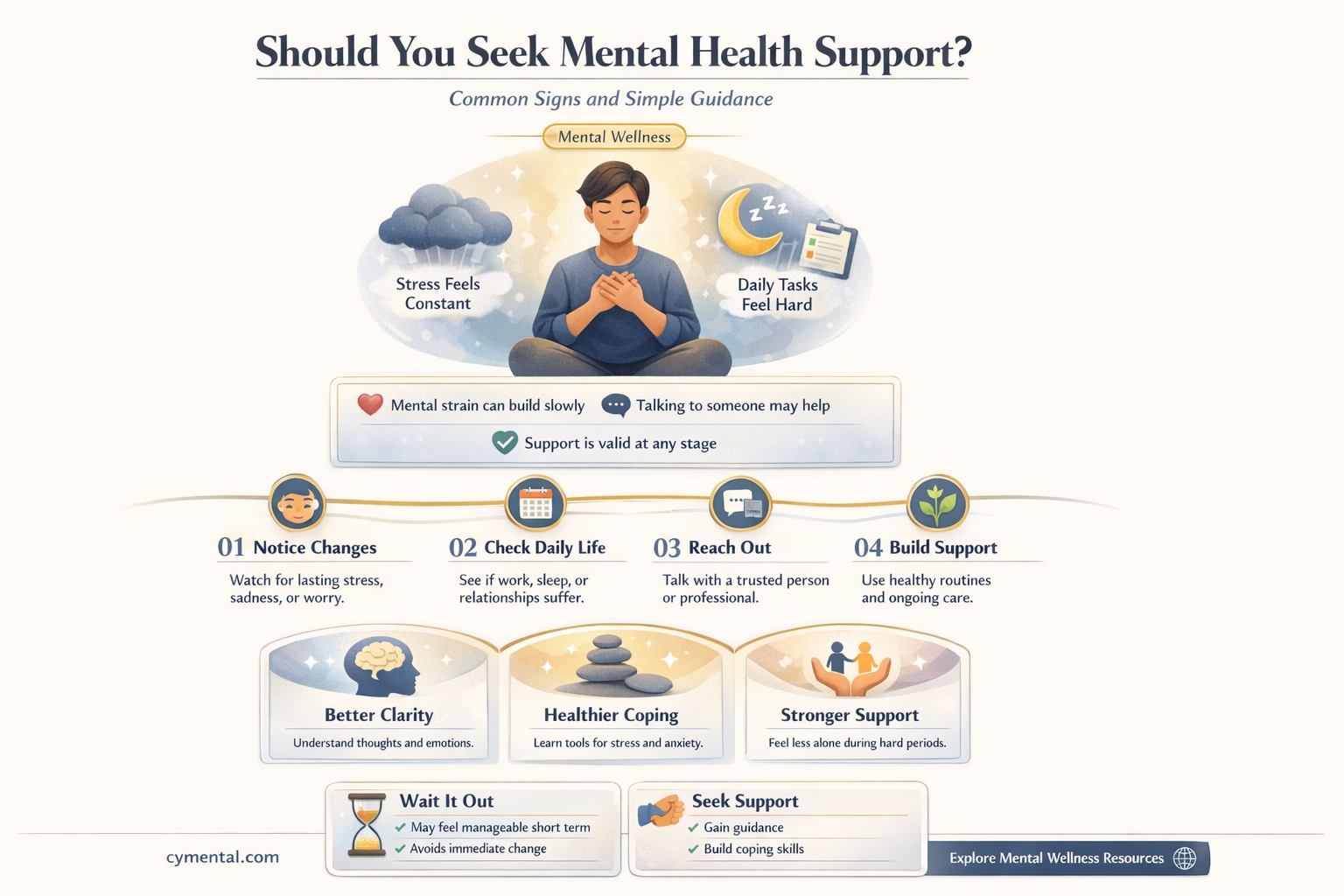
Seeking mental health support is a deeply personal decision, often prompted by feelings of distress, persistent sadness, anxiety, or changes in behavior that interfere with daily life. It’s important to recognize that asking for help is a sign of strength, not weakness, and that mental health challenges are as valid as physical ones. If you’re questioning whether you need professional assistance, consider whether your emotions or thoughts are overwhelming, impacting relationships, or hindering your ability to function. Consulting a mental health professional can provide clarity, tools, and strategies to navigate these struggles, fostering resilience and well-being. Remember, prioritizing your mental health is essential for overall wellness, and reaching out is the first step toward healing.
Explore related products

$16.98 $30


What You'll Learn

Recognizing symptoms of mental health issues
Mental health issues often manifest through subtle changes in behavior, mood, and cognition, making them easy to overlook or dismiss. For instance, persistent feelings of sadness or irritability that last for more than two weeks could signal depression, especially if accompanied by changes in sleep patterns or appetite. Similarly, sudden shifts in energy levels, such as extreme restlessness or fatigue, may indicate anxiety or bipolar disorder. Recognizing these early signs is crucial, as untreated mental health conditions can worsen over time, affecting relationships, work, and overall quality of life.
One practical approach to identifying symptoms is to keep a journal tracking daily moods, thoughts, and behaviors. Note any recurring patterns, such as difficulty concentrating, withdrawal from social activities, or increased substance use. For example, a college student experiencing frequent panic attacks before exams might document the physical symptoms (e.g., rapid heartbeat, sweating) and emotional triggers (e.g., fear of failure). This self-monitoring can provide valuable insights to discuss with a healthcare professional, who can then determine if further evaluation is needed.
Comparing mental health symptoms to physical health indicators can help normalize the need for intervention. Just as persistent headaches might prompt a visit to a doctor, ongoing emotional distress warrants attention. For instance, if someone finds themselves constantly overwhelmed by worry, unable to complete daily tasks, or experiencing suicidal thoughts, these are red flags akin to severe physical pain. Ignoring such symptoms can lead to long-term complications, much like untreated high blood pressure can result in heart disease.
Persuasively, it’s essential to challenge the stigma surrounding mental health by reframing symptoms as signs of strength rather than weakness. Seeking help is not an admission of failure but a proactive step toward well-being. For parents, recognizing symptoms in children—such as sudden academic decline, aggression, or persistent nightmares—requires prompt action. Early intervention, such as therapy or medication, can significantly improve outcomes. Practical tips include creating a safe space for open conversations and familiarizing oneself with local mental health resources, such as crisis hotlines or community clinics.
In conclusion, recognizing symptoms of mental health issues involves vigilance, self-awareness, and a willingness to act. By tracking changes in behavior, comparing mental distress to physical ailments, and challenging societal stigma, individuals can take informed steps toward seeking help. Whether for oneself or a loved one, early recognition and intervention are key to managing mental health effectively and fostering a healthier, more resilient life.
Struggling Alone: Overcoming Barriers to Accessing Mental Health Support
You may want to see also
Explore related products





Benefits of early professional intervention
Recognizing the need for mental health support early can significantly alter the trajectory of one’s well-being. Professional intervention at the first signs of distress—whether anxiety, depression, or persistent stress—often prevents symptoms from escalating into chronic conditions. For instance, studies show that individuals who receive therapy within three months of symptom onset experience a 60% faster recovery rate compared to those who delay treatment. This isn’t about overreacting; it’s about leveraging the brain’s plasticity during the early stages of mental health challenges, when interventions like cognitive-behavioral therapy (CBT) or mindfulness-based stress reduction (MBSR) are most effective.
Consider the analogy of treating a physical injury: a sprained ankle addressed immediately heals faster and avoids long-term complications. Similarly, early mental health intervention acts as a preventive measure. For adolescents aged 12–17, early therapy reduces the risk of self-harm by 40%, according to the National Institute of Mental Health. Adults benefit too—a 2020 study found that employees who accessed workplace mental health programs within six weeks of reporting burnout saw a 75% improvement in productivity and job satisfaction. The key lies in acting before symptoms become ingrained, making treatment less intensive and more successful.
Practical steps to initiate early intervention include monitoring subtle changes in behavior or mood, such as increased irritability, sleep disturbances, or withdrawal from social activities. If these persist for two weeks or more, consult a primary care physician or mental health professional. Online screenings, like those offered by Mental Health America, provide a quick assessment and can guide next steps. For mild to moderate symptoms, starting with a licensed therapist or counselor is often sufficient; they may recommend 8–12 weekly sessions of evidence-based therapies like CBT or dialectical behavior therapy (DBT). For severe cases, a psychiatrist might prescribe medication, typically starting with low doses (e.g., 10–20 mg of an SSRI) and adjusting based on response.
One common misconception is that seeking help early is an admission of weakness or failure. In reality, it’s a proactive step toward resilience. Early intervention often involves building coping mechanisms and emotional regulation skills that serve as lifelong tools. For example, a 20-year-old college student experiencing panic attacks might learn grounding techniques in therapy, reducing the frequency of attacks by 80% within three months. This not only alleviates immediate suffering but also equips them to manage future stressors more effectively.
Finally, the financial and emotional costs of early intervention pale in comparison to the long-term expenses of untreated mental health issues. A single year of untreated depression, for instance, can cost an individual $10,000 in lost productivity and healthcare expenses. Conversely, early therapy sessions, often covered by insurance, average $60–$120 per session, with many therapists offering sliding scale fees. Investing in mental health early isn’t just a personal decision—it’s a societal imperative, reducing the burden on healthcare systems and fostering healthier communities.
CBD and Mental Health: Exploring Its Potential Benefits and Effects
You may want to see also
Explore related products

$10.21 $18.95


When to consult a therapist
Recognizing when to consult a therapist can be as critical as identifying physical symptoms that require medical attention. Mental health challenges often manifest subtly, making it difficult to pinpoint when professional help is necessary. A key indicator is when emotional distress begins to interfere with daily functioning—whether it’s struggling to concentrate at work, withdrawing from social activities, or experiencing persistent sadness or anxiety. These signs suggest that internal coping mechanisms may no longer suffice, and external expertise could provide the structure and tools needed to regain balance.
Consider the duration and intensity of your symptoms as a practical guide. For instance, if feelings of hopelessness or irritability persist for more than two weeks, or if they escalate to the point of affecting sleep, appetite, or relationships, it’s time to seek help. Therapists often recommend a threshold of "moderate to severe impairment" as a benchmark for intervention. This doesn’t mean minor setbacks require therapy, but it does emphasize the importance of addressing issues before they become chronic. Think of it as preventive care for your mental well-being.
Comparing mental health to physical health can offer clarity. Just as you’d see a doctor for recurring headaches or unexplained pain, a therapist should be consulted for persistent emotional discomfort. For example, someone experiencing panic attacks might initially try breathing exercises or mindfulness, but if these attacks occur weekly and disrupt daily life, professional intervention becomes essential. Therapy isn’t a last resort—it’s a proactive step toward managing symptoms before they escalate into more serious conditions like generalized anxiety disorder or depression.
Finally, trust your instincts. If you find yourself repeatedly asking, "Do I need help?" the answer is likely yes. Therapy isn’t reserved for crises; it’s also a space for personal growth, self-exploration, and building resilience. Practical tips include researching therapists who specialize in your concerns, checking insurance coverage, and preparing a list of symptoms or questions for your first session. Remember, seeking help isn’t a sign of weakness—it’s a testament to your commitment to living a healthier, more fulfilling life.
Supporting Loved Ones: Practical Ways to Help Family with Mental Illness
You may want to see also
Explore related products

$7.84 $14.99


Impact of untreated mental health problems
Untreated mental health problems can silently erode the foundation of a person’s life, often starting with subtle changes that escalate over time. For instance, someone with unmanaged anxiety might initially experience occasional sleepless nights or difficulty concentrating at work. Without intervention, these symptoms can compound, leading to chronic insomnia, job performance issues, and strained relationships. A study by the World Health Organization highlights that untreated anxiety disorders are linked to a 50% increase in workplace absenteeism, demonstrating how mental health directly impacts productivity and economic stability. Recognizing these early signs and seeking help isn’t just about alleviating discomfort—it’s about preventing a cascade of consequences that affect every facet of life.
Consider the physical toll of untreated mental health issues, which is often overlooked. Depression, for example, isn’t just a mood disorder; it’s a systemic condition that can weaken the immune system, increase inflammation, and elevate the risk of chronic illnesses like heart disease and diabetes. Research shows that individuals with untreated depression are 64% more likely to develop cardiovascular problems compared to those receiving treatment. Similarly, prolonged stress from conditions like PTSD can lead to hypertension, digestive disorders, and even accelerated cellular aging. Addressing mental health isn’t a luxury—it’s a critical step in safeguarding physical well-being.
From a relational perspective, untreated mental health problems can create invisible barriers that isolate individuals from their support networks. A person struggling with untreated bipolar disorder, for instance, might experience manic episodes that strain friendships or depressive phases that lead to withdrawal. Over time, this can result in a shrinking social circle, leaving the individual without the very connections that could offer relief. A survey by the National Alliance on Mental Illness found that 64% of people with untreated mental health conditions reported feeling socially isolated, compared to 24% of those in treatment. Rebuilding these relationships becomes exponentially harder the longer the condition goes unaddressed, underscoring the urgency of early intervention.
Finally, the financial implications of untreated mental health problems cannot be overstated. Beyond the direct costs of emergency care for crises like panic attacks or suicidal ideation, there are indirect costs such as lost wages, reduced career advancement, and increased reliance on social services. The American Journal of Psychiatry estimates that untreated mental illness costs the U.S. economy over $200 billion annually in lost earnings alone. For individuals, this can mean accumulating debt, housing instability, or inability to afford basic necessities. Seeking help isn’t just an investment in personal well-being—it’s a proactive step toward financial security and long-term stability.
In summary, untreated mental health problems ripple outward, affecting physical health, relationships, and financial stability in ways that are often irreversible without timely intervention. Recognizing the signs and taking action—whether through therapy, medication, or lifestyle changes—isn’t a sign of weakness but a strategic move to protect every aspect of life. The cost of inaction is far greater than the effort required to seek help.
Weightlifting's Mental Benefits: Boosting Mood, Focus, and Resilience
You may want to see also
Explore related products





Self-assessment vs. professional evaluation
Recognizing when to seek mental health support often begins with self-assessment, a process that relies on introspection and personal judgment. This method involves monitoring changes in mood, behavior, and daily functioning—such as persistent sadness, withdrawal from social activities, or difficulty concentrating. Tools like online questionnaires or mental health apps can provide structured guidance, but their accuracy depends on honest self-reporting. While self-assessment is accessible and immediate, it is limited by subjective bias and lack of clinical expertise. For instance, someone might dismiss symptoms as temporary stress rather than a deeper issue, delaying necessary intervention.
Professional evaluation, on the other hand, offers a structured, evidence-based approach conducted by trained clinicians. Psychiatrists, psychologists, or therapists use standardized assessments, such as the PHQ-9 for depression or GAD-7 for anxiety, to measure symptom severity. These evaluations often include a detailed medical history, observation of nonverbal cues, and consideration of comorbid conditions. For example, a therapist might identify that irritability in a teenager stems from anxiety rather than hormonal changes, a nuance easily missed in self-assessment. While this process requires time and resources, it provides a comprehensive diagnosis and tailored treatment plan.
The decision between self-assessment and professional evaluation hinges on the severity and persistence of symptoms. Mild, transient issues—like occasional sleeplessness or situational stress—may resolve with self-care strategies identified through self-assessment. However, symptoms lasting more than two weeks, interfering with daily life, or involving thoughts of self-harm necessitate professional intervention. For instance, someone experiencing persistent panic attacks should seek a clinical evaluation, as these may require medication (e.g., SSRIs at 10–20 mg/day) or cognitive-behavioral therapy.
Combining both approaches can yield optimal results. Self-assessment serves as an early warning system, prompting individuals to monitor their mental health proactively. If concerns arise, transitioning to a professional evaluation ensures accurate diagnosis and treatment. For example, a college student using a mood-tracking app might notice a downward trend in their scores, prompting them to consult a campus counselor. This dual strategy empowers individuals to take charge of their mental health while leveraging expert support when needed.
Ultimately, self-assessment and professional evaluation are not mutually exclusive but complementary tools. The former fosters self-awareness and early detection, while the latter provides precision and treatment. Practical steps include maintaining a symptom journal, using reputable self-assessment tools, and knowing when to escalate concerns to a professional. By balancing introspection with clinical insight, individuals can navigate the complexities of mental health with confidence and clarity.
Capturing Calm: How Photography Boosts Mental Health and Well-Being
You may want to see also
Frequently asked questions
You may need to seek mental health help if you experience persistent feelings of sadness, anxiety, or hopelessness, have trouble functioning in daily life, or notice significant changes in your mood, behavior, or relationships. If these symptoms last for two weeks or more, it’s a good idea to consult a professional.
While self-care practices like exercise, mindfulness, and talking to loved ones can be helpful, some mental health issues require professional intervention. If your symptoms are severe, worsening, or interfering with your life, seeking help from a therapist, counselor, or psychiatrist is recommended.
No, seeking mental health help is a sign of strength and self-awareness. It takes courage to acknowledge when you need support, and prioritizing your mental well-being is essential for overall health and happiness. Everyone deserves help when they need it.