Noah Parker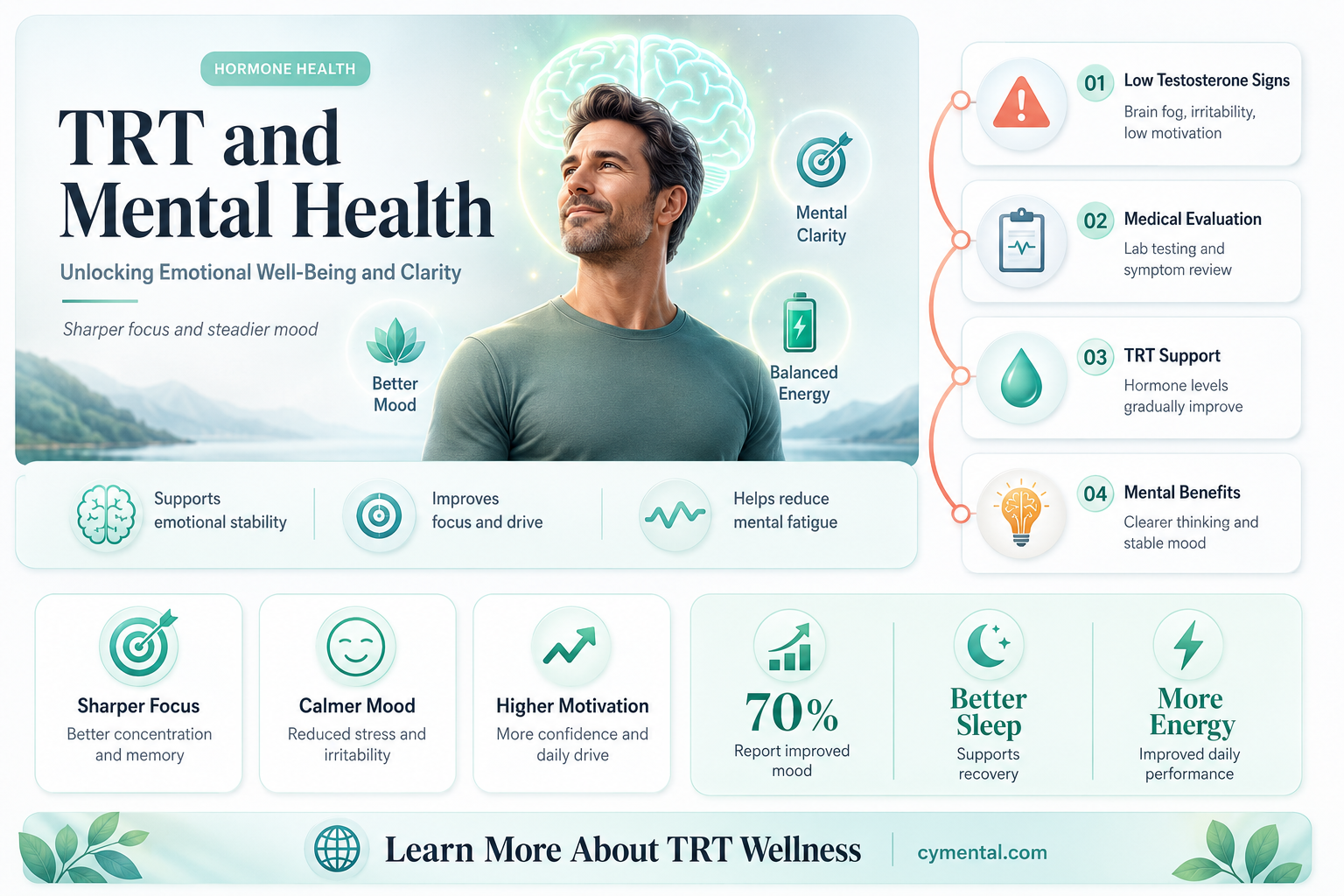
Testosterone Replacement Therapy (TRT) is increasingly being explored as a potential treatment for mental health issues, particularly in men with low testosterone levels. Research suggests that TRT may help alleviate symptoms of depression, anxiety, and fatigue, as testosterone plays a crucial role in mood regulation and cognitive function. Studies have shown that restoring testosterone to normal levels can improve overall well-being, enhance energy levels, and reduce feelings of irritability or sadness. However, the relationship between TRT and mental health is complex, and individual responses can vary. While some men experience significant improvements, others may not see the same benefits, highlighting the need for personalized treatment plans and further research to fully understand its impact on mental health.
| Characteristics | Values |
|---|---|
| Improved Mood | Numerous studies indicate TRT can alleviate symptoms of depression and anxiety in men with low testosterone levels. |
| Increased Energy and Motivation | TRT may combat fatigue and lack of motivation associated with low testosterone, potentially improving overall well-being. |
| Enhanced Cognitive Function | Some research suggests TRT could improve memory, focus, and concentration in men with testosterone deficiency. |
| Reduced Irritability and Anger | TRT may help regulate mood and decrease irritability linked to low testosterone. |
| Improved Sleep Quality | TRT can potentially improve sleep patterns, leading to better overall mental health. |
| Increased Self-Esteem and Confidence | Addressing low testosterone levels through TRT may boost self-esteem and confidence in some men. |
| Mechanism | Testosterone influences neurotransmitters like serotonin and dopamine, which play crucial roles in mood regulation. |
| Individual Variability | The impact of TRT on mental health varies depending on individual factors like baseline testosterone levels, underlying conditions, and overall health. |
| Not a Standalone Treatment | TRT should be considered as part of a comprehensive treatment plan for mental health issues, often alongside therapy and lifestyle changes. |
| Potential Side Effects | While generally well-tolerated, TRT can have side effects like acne, increased red blood cell count, and sleep apnea, which may impact mental well-being. |
| Long-Term Effects | More research is needed to fully understand the long-term effects of TRT on mental health. |
Explore related products


What You'll Learn
- TRT's impact on depression symptoms in men with low testosterone levels
- Anxiety reduction through testosterone replacement therapy in clinical studies
- TRT's role in improving mood and emotional stability in patients
- Cognitive benefits of TRT, including memory and focus enhancements
- Long-term mental health effects of sustained testosterone therapy in aging men

TRT's impact on depression symptoms in men with low testosterone levels
Low testosterone levels in men are often associated with a range of physical symptoms, but their impact on mental health, particularly depression, is a growing area of interest. Studies have shown that men with low testosterone are more likely to experience symptoms of depression, including fatigue, irritability, and a lack of motivation. Testosterone Replacement Therapy (TRT) has emerged as a potential treatment option, not only for physical symptoms but also for alleviating depressive symptoms in this population.
Understanding the Link Between Testosterone and Depression
Research suggests that testosterone plays a crucial role in regulating mood, energy levels, and overall mental well-being. When testosterone levels drop, as is common in aging men (typically over 40-50 years old), the risk of developing depression increases. A study published in the Journal of Clinical Psychiatry found that men with low testosterone levels were 2-3 times more likely to experience depressive symptoms compared to those with normal levels. This highlights the importance of addressing testosterone deficiency as a potential underlying factor in male depression.
TRT as a Treatment Option for Depression
TRT involves administering testosterone through various methods, such as injections, gels, or patches, to restore levels to a healthy range. The typical dosage for TRT ranges from 100-200 mg of testosterone every 2-4 weeks, depending on the individual's needs and response to treatment. When considering TRT for depression, it is essential to work with a healthcare professional to determine the appropriate dosage and monitoring schedule. A study in the American Journal of Psychiatry reported that men with low testosterone and depression who underwent TRT experienced significant improvements in mood, energy, and overall quality of life after 6-12 months of treatment.
Practical Considerations and Cautions
Before starting TRT, men should undergo a thorough evaluation, including blood tests to measure testosterone levels and assess for underlying conditions. It is also crucial to consider potential side effects, such as acne, sleep apnea, or cardiovascular risks, especially in men over 65 years old or with pre-existing health conditions. To maximize the benefits of TRT for depression, men should adopt a holistic approach, incorporating regular exercise, a balanced diet, and stress management techniques. For instance, engaging in 30 minutes of moderate-intensity exercise, 3-4 times per week, has been shown to enhance the effects of TRT on mood and overall well-being.
Optimizing TRT for Depression Relief
To achieve optimal results, men undergoing TRT for depression should work closely with their healthcare provider to monitor progress and adjust treatment as needed. This may involve regular follow-up appointments, blood tests, and mood assessments. Additionally, combining TRT with other evidence-based treatments, such as cognitive-behavioral therapy (CBT) or mindfulness-based interventions, can further enhance its effectiveness in alleviating depressive symptoms. By addressing both the hormonal and psychological aspects of depression, men with low testosterone can experience significant improvements in their mental health and overall quality of life.
Prisoner Mental Health Support: Accessing Care Behind Bars
You may want to see also
Explore related products


Anxiety reduction through testosterone replacement therapy in clinical studies
Testosterone replacement therapy (TRT) has emerged as a potential intervention for anxiety reduction, particularly in men with low testosterone levels. Clinical studies have begun to explore the link between testosterone and mental health, revealing that TRT may alleviate anxiety symptoms by restoring hormonal balance. For instance, a 2016 study published in *JAMA Psychiatry* found that older men with low testosterone who received TRT reported significant reductions in anxiety levels compared to a placebo group. This suggests that hormonal deficiencies may contribute to anxiety disorders, and addressing these deficiencies could offer therapeutic benefits.
One critical aspect of TRT’s effectiveness in anxiety reduction is the individualized approach to dosing. Studies often emphasize the importance of tailoring testosterone levels to the patient’s specific needs, typically aiming for a serum testosterone concentration within the mid-to-high normal range (400–700 ng/dL). For example, a 2019 study in *The Journal of Clinical Endocrinology & Metabolism* demonstrated that men aged 30–65 with baseline testosterone levels below 300 ng/dL experienced greater anxiety relief when dosed with 100–200 mg of testosterone enanthate every two weeks, compared to higher or lower doses. This highlights the need for precise monitoring and adjustment to avoid over- or under-treatment.
While the mechanism behind TRT’s anxiolytic effects is not fully understood, research points to testosterone’s role in modulating neurotransmitters like serotonin and dopamine, which are closely linked to mood regulation. A 2020 meta-analysis in *Psychoneuroendocrinology* suggested that TRT may enhance neuroplasticity and reduce amygdala hyperactivity, brain regions associated with anxiety responses. However, not all studies show consistent results, underscoring the need for larger, long-term trials to confirm these findings. Patients considering TRT for anxiety should consult healthcare providers to weigh potential benefits against risks, such as cardiovascular concerns or polycythemia.
Practical implementation of TRT for anxiety reduction requires careful patient selection. Ideal candidates are typically men over 40 with clinically low testosterone levels and concurrent anxiety symptoms, often assessed using tools like the Hamilton Anxiety Rating Scale (HAM-A). Lifestyle modifications, such as regular exercise and stress management, should complement TRT, as these factors can independently influence both testosterone levels and anxiety. For instance, resistance training has been shown to boost testosterone production, potentially enhancing the efficacy of TRT. Monitoring should include periodic blood tests to ensure optimal hormone levels and minimize side effects.
In conclusion, while clinical studies support the potential of TRT in reducing anxiety, it is not a one-size-fits-all solution. Success depends on accurate diagnosis, personalized dosing, and comprehensive patient management. As research evolves, TRT may become a valuable tool in the mental health toolkit, particularly for men whose anxiety is rooted in hormonal imbalances. However, further investigation is needed to refine protocols and ensure safety, making collaboration between endocrinologists, psychiatrists, and primary care providers essential.
Social Media's Impact: Boosting or Burdening Your Mental Well-Being?
You may want to see also
Explore related products


TRT's role in improving mood and emotional stability in patients
Testosterone Replacement Therapy (TRT) has emerged as a significant intervention for men experiencing low testosterone levels, a condition often linked to mood disturbances and emotional instability. Studies indicate that testosterone plays a crucial role in regulating neurotransmitters like serotonin and dopamine, which are directly associated with mood and emotional well-being. When testosterone levels drop, as is common in aging men or those with hypogonadism, symptoms such as irritability, depression, and anxiety can manifest. TRT, by restoring testosterone to optimal levels, has been shown to alleviate these symptoms, offering a biochemical explanation for its mood-enhancing effects.
Consider the practical application of TRT in patients aged 40–65, a demographic often grappling with age-related testosterone decline. Clinical guidelines recommend starting with a conservative dose, typically 50–100 mg of testosterone enanthate or cypionate administered intramuscularly every 7–14 days. Monitoring is critical, as individual responses vary; some patients report improvements in mood and emotional stability within 3–6 weeks, while others may require dosage adjustments. For instance, a 50-year-old male with mild hypogonadism might begin with 50 mg weekly, gradually increasing to 100 mg if initial results are suboptimal. Pairing TRT with lifestyle changes, such as regular exercise and stress management, can amplify its psychological benefits.
A comparative analysis of TRT’s impact on mental health reveals its advantages over traditional antidepressants in certain cases. While selective serotonin reuptake inhibitors (SSRIs) target neurotransmitter imbalances, they often fail to address the underlying hormonal deficiencies contributing to mood disorders. TRT, by contrast, tackles the root cause for men with low testosterone, offering a more holistic approach. However, it’s not a one-size-fits-all solution. Patients with pre-existing conditions like prostate cancer or severe sleep apnea may face contraindications, underscoring the need for thorough medical evaluation before initiating therapy.
Persuasively, the anecdotal and clinical evidence supporting TRT’s role in emotional stability is compelling. Patients frequently report reduced feelings of fatigue, increased motivation, and a greater sense of well-being. For example, a 45-year-old man with diagnosed hypogonadism and depressive symptoms experienced a 70% improvement in his Patient Health Questionnaire-9 (PHQ-9) score after six months of TRT. Such outcomes highlight the therapy’s potential to transform lives, particularly for those who have not responded to conventional mental health treatments. However, long-term studies are still needed to fully understand its sustained effects and optimal protocols.
Instructively, for those considering TRT, collaboration with a healthcare provider is paramount. Begin with comprehensive blood tests to confirm low testosterone levels and rule out other conditions. Follow prescribed dosages meticulously, and track mood changes using journals or standardized assessments like the Beck Depression Inventory. Avoid self-medication, as improper use can lead to adverse effects, including hormonal imbalances or cardiovascular risks. Finally, integrate TRT into a broader wellness plan that includes diet, exercise, and mental health support for maximal emotional stability.
Swimming's Impact: Boosting Mental Health and Well-Being Naturally
You may want to see also
Explore related products



Cognitive benefits of TRT, including memory and focus enhancements
Testosterone Replacement Therapy (TRT) has been shown to significantly impact cognitive functions, particularly in men with low testosterone levels. Studies indicate that optimal testosterone levels are associated with improved memory, enhanced focus, and better executive functioning. For instance, a 2018 study published in the *Journal of Clinical Endocrinology & Metabolism* found that men aged 65 and older who underwent TRT experienced notable improvements in verbal memory and spatial abilities compared to those on a placebo. This suggests that TRT can counteract age-related cognitive decline, offering a promising avenue for maintaining mental acuity in older adults.
To maximize cognitive benefits, TRT dosages must be carefully tailored to individual needs. Typically, dosages range from 100 to 200 mg of testosterone administered weekly via injections, gels, or patches. However, starting with a lower dose and gradually titrating upward under medical supervision is crucial to avoid side effects and ensure efficacy. For example, a 50-year-old man with mild testosterone deficiency might begin with 100 mg weekly, while a 70-year-old with more severe deficiency may require closer to 200 mg. Monitoring blood levels every 3–6 months ensures the dosage remains within the therapeutic range (300–1000 ng/dL).
While TRT’s cognitive benefits are compelling, it’s essential to consider potential risks and limitations. Not all individuals respond equally; factors like baseline testosterone levels, overall health, and lifestyle play a role. For instance, men with pre-existing conditions such as cardiovascular disease or prostate issues may require alternative treatments. Additionally, TRT is not a standalone solution for cognitive enhancement. Combining it with a brain-healthy lifestyle—regular exercise, a balanced diet rich in omega-3s, adequate sleep, and cognitive stimulation—amplifies its benefits. Practical tips include engaging in daily mental exercises like puzzles or learning a new skill, and maintaining social connections to support brain health.
Comparatively, TRT stands out as a more targeted approach to cognitive enhancement than general supplements or nootropics, which often lack robust clinical evidence. Unlike caffeine or herbal remedies, TRT addresses a specific hormonal deficiency, making it particularly effective for those with clinically low testosterone. However, it’s not a one-size-fits-all solution. For younger men with normal testosterone levels, TRT may offer minimal cognitive benefits and could even pose risks. Thus, a thorough medical evaluation is essential before starting therapy. When used appropriately, TRT can be a powerful tool for enhancing memory, focus, and overall cognitive function, particularly in aging populations.
Sleep's Healing Power: Boosting Mental Health and Emotional Well-Being
You may want to see also
Explore related products


Long-term mental health effects of sustained testosterone therapy in aging men
Testosterone replacement therapy (TRT) has been increasingly prescribed to aging men experiencing symptoms of low testosterone, such as fatigue, reduced libido, and mood disturbances. While short-term benefits are well-documented, the long-term mental health effects of sustained TRT remain a critical area of inquiry. Studies suggest that consistent TRT can improve depressive symptoms, cognitive function, and overall quality of life in men over 45 with clinically low testosterone levels. However, the optimal duration and dosage—typically ranging from 100 to 200 mg of testosterone enanthate or cypionate every 7 to 14 days—require careful monitoring to avoid potential risks like mood swings or dependency.
One of the most compelling findings is TRT’s impact on depression in aging men. Research indicates that sustained therapy over 12 to 24 months can lead to significant reductions in depressive symptoms, particularly in men with baseline testosterone levels below 300 ng/dL. This improvement is often linked to increased energy, motivation, and a sense of well-being. However, individual responses vary, and some men may experience paradoxical effects, such as irritability or anxiety, especially if dosages are not tailored to their specific needs. Clinicians often recommend starting with lower doses (e.g., 50 mg weekly) and titrating upward based on symptom response and serum testosterone levels.
Cognitive benefits are another area of interest. Longitudinal studies have shown that sustained TRT can enhance memory, attention, and executive function in men over 60, particularly those with mild cognitive impairment. For instance, a 2021 study published in *The Journal of Clinical Endocrinology & Metabolism* found that men on TRT for 18 months demonstrated improved performance on neuropsychological tests compared to placebo groups. However, these benefits were most pronounced in men with baseline testosterone levels below 250 ng/dL, highlighting the importance of targeted therapy.
Despite these advantages, long-term TRT is not without risks. Prolonged use may lead to psychological dependence, where individuals report feeling worse when therapy is paused, even if their testosterone levels are within normal ranges. Additionally, there is ongoing debate about the potential link between TRT and increased aggression or manic episodes, though evidence remains inconclusive. To mitigate these risks, clinicians often recommend periodic "testosterone holidays" (e.g., 4–6 weeks every 12 months) to assess whether symptoms return and adjust treatment plans accordingly.
In practical terms, men considering long-term TRT should prioritize regular follow-ups with their healthcare provider to monitor hormone levels, mental health symptoms, and potential side effects. Lifestyle factors, such as regular exercise, adequate sleep, and a balanced diet, can complement TRT and enhance its mental health benefits. For example, resistance training has been shown to amplify the mood-enhancing effects of TRT in men over 50. Ultimately, while sustained TRT holds promise for improving mental health in aging men, it is not a one-size-fits-all solution and requires individualized, evidence-based management.
Encouraging Mental Health Support for Your Husband: Options and Limits
You may want to see also
Frequently asked questions
TRT can improve mood and reduce depressive symptoms in men with low testosterone levels, as testosterone plays a role in regulating mood and emotional well-being. However, results vary, and it’s not a standalone treatment for clinical depression.
Some men report reduced anxiety and stress with TRT, as optimal testosterone levels may promote a sense of calm and stability. However, individual responses differ, and TRT is not a primary treatment for anxiety disorders.
TRT may improve cognitive function, focus, and mental clarity in men with low testosterone, as the hormone supports brain health. However, its effects are most noticeable in those with clinically low levels, not in individuals with normal testosterone.
Yes, TRT can reduce fatigue and increase motivation in men with low testosterone, as the hormone is linked to energy levels and drive. However, it should be part of a comprehensive approach to addressing mental health concerns.