Caleb Wright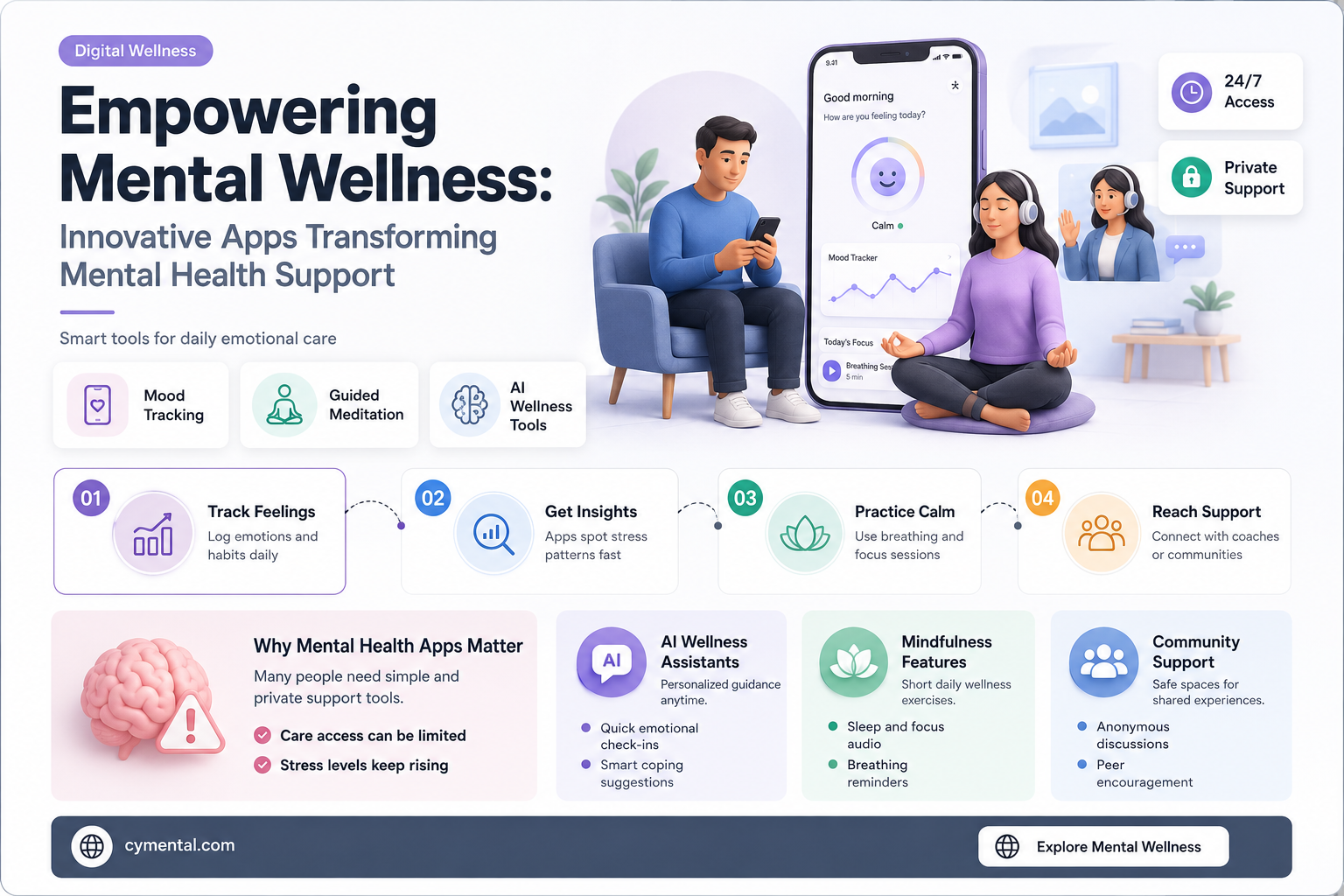
In today's digital age, mobile applications have emerged as powerful tools for supporting mental health, offering accessible and convenient resources to individuals seeking assistance. From mindfulness and meditation apps that promote relaxation and stress reduction to mood tracking and journaling platforms that help users monitor their emotional well-being, these digital solutions provide personalized guidance and coping strategies. Additionally, apps that connect users with licensed therapists or peer support networks have made professional help more attainable, breaking down barriers such as cost and geographical limitations. By leveraging technology, these apps empower individuals to take proactive steps in managing their mental health, fostering resilience, and improving overall quality of life.
Explore related products


What You'll Learn
- Mindfulness & Meditation Apps: Guided sessions reduce stress, improve focus, and promote relaxation effectively
- Mood Tracking Tools: Monitor emotional patterns, identify triggers, and support self-awareness for better mental health
- Cognitive Behavioral Therapy (CBT) Apps: Offer exercises to reframe negative thoughts and manage anxiety or depression
- Social Support Platforms: Connect users with peers or therapists for encouragement and shared experiences
- Sleep Improvement Apps: Enhance sleep quality with routines, sounds, and tracking for mental well-being

Mindfulness & Meditation Apps: Guided sessions reduce stress, improve focus, and promote relaxation effectively
In a world where stress and anxiety are increasingly prevalent, mindfulness and meditation apps have emerged as powerful tools for mental well-being. These apps offer guided sessions that are designed to reduce stress, improve focus, and promote relaxation, making them accessible to users of all ages and backgrounds. For instance, apps like Headspace and Calm provide structured programs that start with short, 5- to 10-minute sessions, ideal for beginners or those with busy schedules. Over time, users can gradually increase session lengths to 20–30 minutes for deeper practice, fostering consistency and long-term benefits.
The effectiveness of these apps lies in their ability to combine ancient mindfulness techniques with modern technology. Guided meditations often incorporate breathing exercises, body scans, and visualization, which are scientifically proven to lower cortisol levels and activate the parasympathetic nervous system. For example, a study published in *JMIR Mental Health* found that regular use of mindfulness apps significantly reduced symptoms of anxiety and depression in adults aged 18–65. Practical tips for maximizing benefits include using headphones for immersive audio, practicing in a quiet space, and setting daily reminders to build a routine.
One of the standout features of mindfulness apps is their adaptability to individual needs. Many apps offer specialized sessions for sleep, focus, or stress relief, allowing users to target specific concerns. For instance, Calm’s "Sleep Stories" combine soothing narratives with meditation techniques to improve sleep quality, while Headspace’s "Focus" sessions use mindfulness to enhance productivity. Additionally, apps like Insight Timer provide a library of free, community-led meditations, catering to diverse preferences and cultural practices. This customization ensures that users can find a practice that resonates with them, increasing adherence and effectiveness.
Despite their benefits, mindfulness apps are not a one-size-fits-all solution. Users should be cautious of over-reliance on digital tools and remember that they complement, rather than replace, professional mental health care. For those with severe anxiety or depression, consulting a therapist or counselor is essential. However, when used mindfully, these apps can serve as a practical, cost-effective way to integrate mindfulness into daily life. By dedicating just a few minutes each day to guided sessions, individuals can cultivate resilience, clarity, and emotional balance in an increasingly chaotic world.
Recognizing the Signs: When to Seek Help for Your Well-Being
You may want to see also
Explore related products


$9.39 $17.99



Mood Tracking Tools: Monitor emotional patterns, identify triggers, and support self-awareness for better mental health
Emotional fluctuations are a natural part of life, but when they become overwhelming or unpredictable, they can signal deeper mental health challenges. Mood tracking tools, integrated into mental health apps, offer a structured way to monitor these fluctuations, helping users identify patterns and triggers. By logging daily emotions, users can gain insights into how factors like sleep, diet, and social interactions influence their mental state. For instance, apps like Daylio and Moodpath allow users to record their moods with simple taps, providing visual summaries over time. This data-driven approach transforms abstract feelings into tangible information, empowering individuals to take proactive steps toward emotional well-being.
To effectively use mood tracking tools, consistency is key. Set a daily reminder to log your mood at the same time each day, such as during your morning coffee or before bed. Be specific in your entries; instead of just selecting "sad," note whether it’s a feeling of loneliness, frustration, or fatigue. Many apps also allow users to add notes about their day, such as stressful events or positive experiences. Over time, these detailed entries can reveal correlations between activities and emotions. For example, you might notice that your mood dips after long periods of screen time or improves after exercise. This awareness is the first step in making informed changes to your routine.
While mood tracking apps are valuable, they are not a substitute for professional therapy or medical advice. Users should approach their data with curiosity rather than judgment, avoiding the trap of overanalyzing or self-diagnosing. It’s also important to choose an app that prioritizes privacy, as sensitive emotional data should be protected. Look for apps that offer encrypted storage and clear data policies. Additionally, some tools, like Moodfit, integrate evidence-based techniques like cognitive behavioral therapy (CBT) prompts, providing actionable strategies to manage emotions alongside tracking.
For those new to mood tracking, start small. Begin by logging your mood once a day for a week, then gradually increase the frequency or add more detailed notes. Share your findings with a therapist or trusted friend if you feel comfortable, as external perspectives can offer valuable insights. Remember, the goal isn’t to eliminate negative emotions but to understand and navigate them more effectively. By leveraging mood tracking tools, individuals can cultivate self-awareness, identify triggers, and build a foundation for long-term mental health resilience.
Exploring Gender Dysphoria: Mental Health Support as a Treatment Option
You may want to see also
Explore related products





Cognitive Behavioral Therapy (CBT) Apps: Offer exercises to reframe negative thoughts and manage anxiety or depression
Cognitive Behavioral Therapy (CBT) apps are digital tools designed to help users challenge and reframe negative thought patterns, a core principle of CBT. These apps often include structured exercises, such as thought records and behavioral activation tasks, which guide users through the process of identifying, examining, and replacing distorted thoughts with more balanced ones. For instance, apps like *Moodfit* and *Sanvello* provide daily journaling prompts that encourage users to reflect on their emotions and the underlying beliefs driving them. By consistently engaging with these exercises, individuals can develop greater self-awareness and cognitive flexibility, key components in managing anxiety and depression.
One of the strengths of CBT apps lies in their accessibility and convenience. Unlike traditional therapy, which requires scheduling appointments and often involves financial barriers, these apps can be used anytime, anywhere, making them particularly useful for individuals with busy schedules or limited access to mental health services. For example, *Woebot* uses conversational AI to deliver CBT techniques in a chat-like interface, allowing users to practice reframing negative thoughts in real-time. However, it’s important to note that these apps are not a replacement for professional therapy but rather a complementary tool. Users with severe symptoms should still seek guidance from a mental health professional.
To maximize the effectiveness of CBT apps, users should approach them with consistency and intention. Most apps recommend daily engagement, even if only for 10–15 minutes, to reinforce new cognitive habits. For instance, *CBT Thought Record Diary* prompts users to log negative thoughts, analyze evidence for and against them, and create alternative perspectives. Over time, this practice can reduce the automaticity of negative thinking and foster a more positive mindset. Additionally, combining app use with mindfulness practices, such as deep breathing or meditation, can enhance emotional regulation and overall well-being.
While CBT apps offer significant benefits, they are not without limitations. Some users may find the self-guided nature of these tools challenging, particularly if they struggle with motivation or accountability. To address this, certain apps, like *Happify*, incorporate gamification elements, such as rewards and progress tracking, to keep users engaged. Moreover, not all apps are created equal; users should look for evidence-based platforms that have been clinically validated or endorsed by mental health professionals. For example, *MindDoc* has been studied in peer-reviewed research, demonstrating its effectiveness in reducing symptoms of anxiety and depression.
In conclusion, CBT apps provide a practical and scalable solution for individuals seeking to manage anxiety and depression through evidence-based techniques. By offering structured exercises, accessibility, and personalized guidance, these tools empower users to take an active role in their mental health. However, success depends on consistent use, realistic expectations, and an understanding of their role as a supplement to, rather than a substitute for, professional care. For those willing to commit, CBT apps can be a valuable resource in the journey toward emotional resilience and well-being.
Exploring the Link Between Sexual Fetishes and Mental Health Diagnosis
You may want to see also
Explore related products




Social Support Platforms: Connect users with peers or therapists for encouragement and shared experiences
Loneliness and isolation often exacerbate mental health struggles, creating a vicious cycle where individuals feel unable to reach out. Social support platforms break this cycle by providing immediate access to communities of understanding peers or licensed therapists. Apps like 7 Cups and BetterHelp exemplify this approach, offering text-based chatrooms, video sessions, and forums where users can share experiences, receive encouragement, and gain perspective. These platforms normalize vulnerability, fostering a sense of belonging that’s crucial for emotional healing.
Consider the mechanics of these apps: users typically create profiles, specify their concerns (anxiety, depression, grief), and are matched with peers or professionals. For instance, TalkLife connects individuals with others facing similar challenges, while Wysa combines AI-driven conversations with human coaching. The key lies in anonymity and accessibility—users can engage at their own pace, without the pressure of face-to-face interactions. Research suggests that consistent peer support can reduce symptoms of depression by up to 30%, highlighting the tangible benefits of these platforms.
However, not all social support apps are created equal. When choosing one, evaluate features like moderation policies, therapist qualifications, and data privacy. For example, platforms like Sanvello include clinically validated tools like cognitive-behavioral therapy exercises alongside community forums, ensuring users receive evidence-based guidance. Conversely, purely peer-driven apps may lack professional oversight, risking misinformation. Always prioritize apps that balance community support with expert input, especially for severe conditions.
To maximize the benefits of these platforms, start small. Engage in group discussions before one-on-one chats, and set boundaries to avoid emotional overwhelm. For teens and young adults, apps like TeenCounseling offer age-specific forums, ensuring relevance and safety. Parents can encourage use by framing these tools as supplements to, not replacements for, traditional therapy. Remember, consistency is key—regular engagement, even for 15 minutes daily, can yield significant improvements in mood and coping skills.
In conclusion, social support platforms are more than just apps; they’re lifelines for those navigating mental health challenges. By combining peer empathy with professional expertise, these tools empower users to reclaim their narratives. Whether you’re seeking solace or strategies, the right platform can transform isolation into connection, one conversation at a time.
Supporting Teammates: The Role of Peer Support in Mental Health
You may want to see also
Explore related products


Sleep Improvement Apps: Enhance sleep quality with routines, sounds, and tracking for mental well-being
Poor sleep is a silent saboteur of mental health, exacerbating anxiety, depression, and cognitive fog. Sleep improvement apps counter this by leveraging technology to create structured bedtime routines, soothing soundscapes, and data-driven insights. Unlike generic relaxation tools, these apps integrate features like gradual wake-up alarms, sleep cycle tracking, and personalized recommendations based on user behavior. For instance, apps like Sleep Cycle analyze sleep stages using smartphone sensors, while Calm combines sleep stories with breathing exercises to ease the mind. By addressing sleep hygiene holistically, these tools don’t just improve rest—they fortify mental resilience.
To maximize the benefits of sleep improvement apps, start by setting a consistent bedtime and wake-up schedule within the app. Most platforms, such as Headspace, allow users to create pre-sleep routines that include meditation, journaling, or white noise. For adults aged 18–64, the recommended sleep duration is 7–9 hours, and these apps often remind users when it’s time to wind down. Incorporate calming sounds like rain, ocean waves, or binaural beats, which studies show can reduce cortisol levels. However, avoid screens emitting blue light at least an hour before bed; some apps, like Twilight, automatically filter blue light on devices. Consistency is key—use the app nightly for at least 21 days to establish a habit.
While sleep apps offer tangible benefits, they’re not a one-size-fits-all solution. Users with severe insomnia or sleep disorders should consult a healthcare professional, as apps may complement but not replace therapy. Additionally, over-reliance on tracking features can induce anxiety if users obsess over sleep metrics. For example, seeing a low “sleep score” might heighten stress rather than promote relaxation. To mitigate this, focus on qualitative improvements, like feeling more rested, rather than numerical data. Apps like Pillow allow users to disable visible metrics, emphasizing trends over daily fluctuations.
The true power of sleep improvement apps lies in their ability to bridge the gap between awareness and action. By visualizing sleep patterns, users gain insights into how factors like caffeine intake or late-night scrolling impact their rest. For instance, Fitbit’s sleep tracking correlates sleep quality with heart rate variability, offering actionable advice like reducing evening caffeine or increasing physical activity. Over time, these apps foster a mindset shift, encouraging users to prioritize sleep as a non-negotiable pillar of mental health. When combined with professional guidance and lifestyle changes, they become a transformative tool for long-term well-being.
Boxing's Impact: Boosting Mental Health and Emotional Resilience
You may want to see also
Frequently asked questions
Apps for mental health often include features like guided meditation, deep breathing exercises, and progressive muscle relaxation techniques. They can also provide tools for tracking stress triggers and offer personalized coping strategies to help users manage anxiety effectively.
While mental health apps can be valuable tools for self-care and symptom management, they are not a substitute for professional therapy or medical treatment. Apps are best used as complementary resources to support ongoing care from mental health professionals.
Some apps, particularly those based on cognitive-behavioral therapy (CBT) or mindfulness, have shown effectiveness in reducing symptoms of depression. However, their impact varies by individual, and they work best when used consistently and in conjunction with other treatment methods.
Reputable mental health apps comply with data protection regulations like GDPR or HIPAA and use encryption to secure user information. It’s important to read privacy policies and choose apps that prioritize confidentiality and transparency in handling personal data.