Noah Parker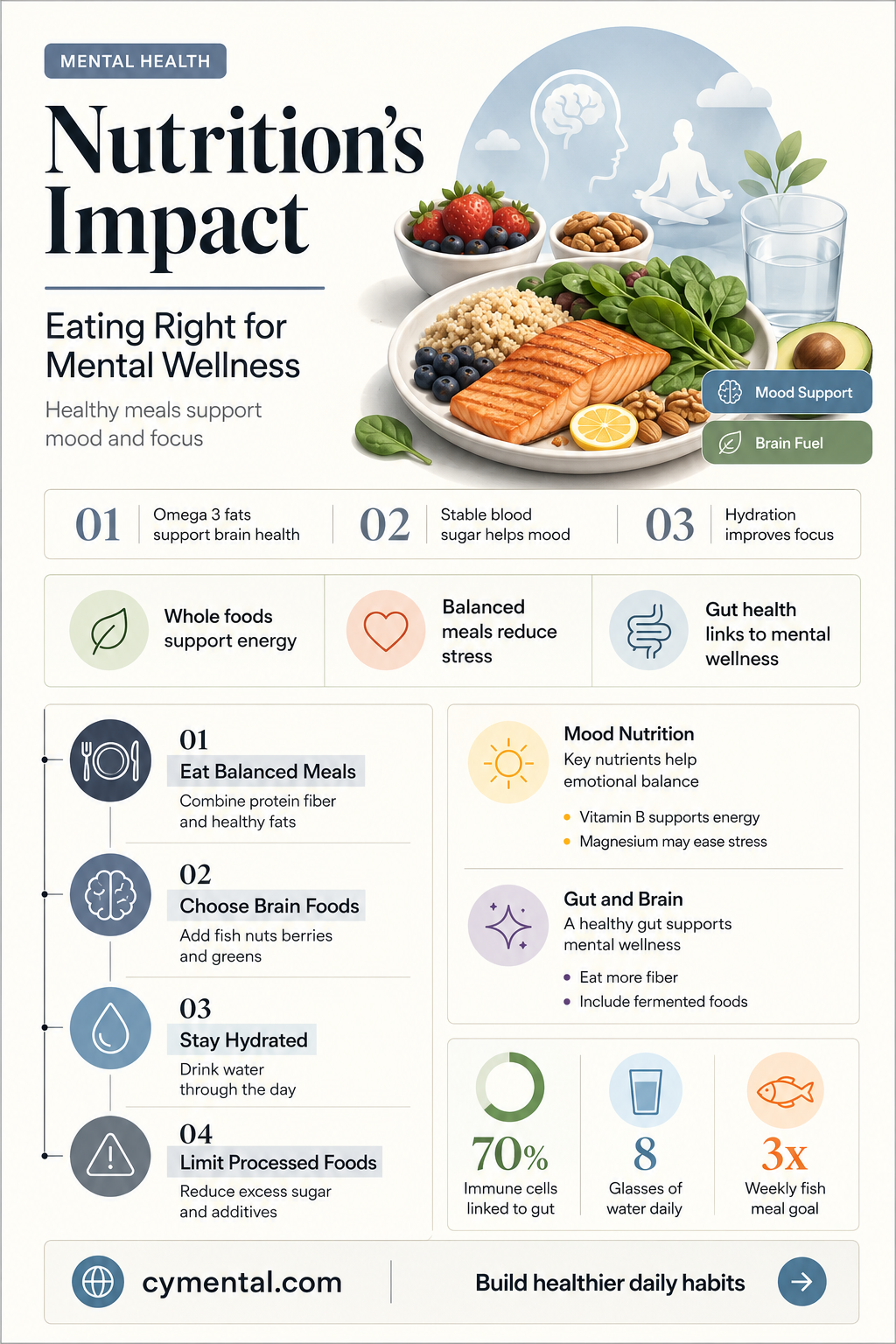
Eating right plays a crucial role in managing and improving mental health, as a balanced diet provides essential nutrients that support brain function and emotional well-being. Nutrient-rich foods, such as fruits, vegetables, whole grains, lean proteins, and healthy fats, can reduce inflammation, stabilize mood, and enhance cognitive function, all of which are vital for combating mental illnesses like depression, anxiety, and bipolar disorder. Additionally, certain foods, such as those high in omega-3 fatty acids, probiotics, and antioxidants, have been shown to positively impact neurotransmitter production and gut health, which are closely linked to mental health. By prioritizing a nutritious diet, individuals can complement traditional treatments and foster resilience against the challenges of mental illness.
Explore related products




What You'll Learn
- Nutrient Impact on Mood: Essential vitamins and minerals directly influence brain chemistry, stabilizing mood and reducing anxiety
- Gut-Brain Connection: A healthy gut microbiome supports mental health by reducing inflammation and improving neurotransmitter function
- Blood Sugar Stability: Balanced meals prevent mood swings by maintaining steady glucose levels and energy
- Omega-3s and Depression: Fatty acids in fish and nuts reduce symptoms of depression and cognitive decline
- Hydration and Focus: Proper hydration enhances cognitive function, reduces fatigue, and improves overall mental clarity

Nutrient Impact on Mood: Essential vitamins and minerals directly influence brain chemistry, stabilizing mood and reducing anxiety
The brain, a voracious consumer of nutrients, relies on a steady supply of vitamins and minerals to function optimally. Deficiencies in key nutrients can disrupt neurotransmitter production, leading to imbalances that manifest as mood disorders and heightened anxiety. For instance, a lack of vitamin D, often dubbed the "sunshine vitamin," has been linked to increased risk of depression, particularly in individuals with limited sun exposure. Similarly, insufficient intake of omega-3 fatty acids, found abundantly in fatty fish like salmon and flaxseeds, can impair brain cell communication, potentially exacerbating symptoms of anxiety and mood instability.
Consider the role of B vitamins, a complex family of nutrients essential for brain health. Vitamin B6, for example, is crucial for the synthesis of serotonin, a neurotransmitter that regulates mood, sleep, and appetite. A deficiency in B6 can lead to decreased serotonin levels, contributing to feelings of sadness and anxiety. Adults should aim for 1.3-1.7 mg of B6 daily, found in foods like bananas, chickpeas, and fortified cereals. Similarly, folate (B9) and B12 play vital roles in neurotransmitter production and myelin sheath maintenance, respectively. Pregnant women, in particular, require higher folate intake (600 mcg daily) to support fetal brain development and prevent maternal mood disorders.
Magnesium, often overlooked, is a mineral with profound effects on mood and anxiety. It acts as a natural calmative, regulating the release of stress hormones like cortisol. Studies suggest that magnesium supplementation (300-400 mg daily) can alleviate symptoms of anxiety and depression, particularly in individuals with low magnesium levels. Incorporating magnesium-rich foods like spinach, almonds, and dark chocolate into your diet can provide a natural boost to mood stability. However, excessive magnesium intake can cause gastrointestinal discomfort, so moderation is key.
The interplay between nutrients and brain chemistry is a delicate balance. While supplementation can be beneficial in cases of deficiency, it's essential to prioritize a diverse, nutrient-dense diet. For instance, pairing vitamin D-rich foods with healthy fats like avocado enhances absorption, maximizing its mood-boosting potential. Similarly, consuming iron-rich foods (spinach, lentils) with vitamin C sources (citrus fruits, bell peppers) improves iron absorption, crucial for preventing anemia-related fatigue and mood disturbances. By understanding the specific roles of essential vitamins and minerals, individuals can make informed dietary choices to support mental well-being.
Practical implementation is key to harnessing the nutrient-mood connection. Start by assessing your current diet for potential deficiencies, focusing on the aforementioned vitamins and minerals. Gradually incorporate nutrient-dense foods into your meals, experimenting with recipes that combine complementary nutrients for optimal absorption. For those with specific mental health concerns, consulting a registered dietitian or healthcare professional can provide personalized guidance on dietary modifications and supplementation. Remember, while nutrition is a powerful tool in managing mental illness, it should complement, not replace, professional treatment. By nurturing your brain with the right nutrients, you can take a proactive step towards stabilizing mood, reducing anxiety, and fostering overall mental resilience.
Government's Role in Mental Health: Progress, Challenges, and Future Steps
You may want to see also
Explore related products


Gut-Brain Connection: A healthy gut microbiome supports mental health by reducing inflammation and improving neurotransmitter function
The gut-brain axis is a bidirectional communication system linking the gastrointestinal tract and the central nervous system. This connection means that the health of your gut can significantly influence your mental well-being. Research shows that a balanced gut microbiome—the community of microorganisms living in your intestines—plays a crucial role in reducing inflammation and enhancing neurotransmitter function, both of which are vital for mental health. For instance, 90% of serotonin, a key mood regulator, is produced in the gut. By nurturing your gut microbiome, you can directly support your brain’s ability to manage stress, anxiety, and depression.
To optimize your gut health, focus on consuming prebiotic and probiotic-rich foods. Prebiotics, found in foods like garlic, onions, and bananas, act as food for beneficial gut bacteria. Probiotics, abundant in fermented foods such as yogurt, kefir, sauerkraut, and kimchi, introduce healthy bacteria into your digestive system. Aim to include at least one prebiotic and one probiotic source in your daily diet. For example, start your morning with a banana and a serving of Greek yogurt, or add a side of sauerkraut to your lunch. These small dietary adjustments can foster a thriving gut microbiome, which in turn supports mental clarity and emotional stability.
Inflammation is a silent contributor to mental health issues, often triggered by poor dietary choices. Processed foods, high sugar intake, and excessive alcohol consumption can disrupt the gut barrier, allowing harmful substances to enter the bloodstream and trigger systemic inflammation. To counteract this, prioritize an anti-inflammatory diet rich in omega-3 fatty acids, found in fatty fish like salmon and mackerel, as well as in flaxseeds and walnuts. Incorporate colorful vegetables and fruits, which are high in antioxidants, to further reduce inflammation. For instance, a daily serving of leafy greens, berries, and a handful of nuts can provide significant anti-inflammatory benefits.
Improving neurotransmitter function is another way a healthy gut supports mental health. Certain nutrients, such as amino acids, vitamins, and minerals, are essential for the synthesis of neurotransmitters like dopamine and GABA. Include foods high in tyrosine (an amino acid precursor to dopamine), such as eggs, dairy, and legumes, in your diet. Magnesium, found in spinach, almonds, and dark chocolate, supports GABA production, which helps regulate anxiety. A practical tip is to create balanced meals that combine these nutrients—for example, a spinach salad with almonds, grilled chicken, and a drizzle of dark chocolate vinaigrette. By strategically incorporating these foods, you can enhance your brain’s chemical messaging system and promote mental resilience.
Finally, hydration and mindful eating play understated roles in maintaining gut-brain health. Dehydration can impair digestion and nutrient absorption, so aim to drink at least 8–10 glasses of water daily. Mindful eating—paying attention to hunger cues, chewing thoroughly, and eating without distractions—improves digestion and reduces stress on the gut. Pair these habits with consistent meal timing to regulate your body’s internal clock, which is closely tied to both gut and mental health. By integrating these practices into your routine, you can strengthen the gut-brain connection and create a foundation for lasting mental well-being.
Can Dogs Provide Emotional Support for Mental Health Struggles?
You may want to see also
Explore related products





Blood Sugar Stability: Balanced meals prevent mood swings by maintaining steady glucose levels and energy
Fluctuating blood sugar levels can wreak havoc on your mood, leaving you feeling irritable, anxious, and fatigued. This rollercoaster ride is often fueled by diets high in refined carbohydrates and sugar, which cause rapid spikes and crashes in glucose. Imagine your brain as a high-performance engine – it requires a consistent supply of fuel to function optimally. When blood sugar levels plummet, your brain is essentially running on fumes, leading to difficulty concentrating, mood swings, and even symptoms of depression.
Balanced meals act as the antidote to this chaos. By incorporating complex carbohydrates (think whole grains, legumes, and vegetables), lean protein, and healthy fats, you provide your body with a steady stream of glucose. Complex carbs release sugar slowly into the bloodstream, preventing the dramatic spikes and crashes associated with refined carbs. Protein and fat further slow digestion, ensuring a sustained release of energy and keeping your brain fueled for longer periods.
Think of it like this: a breakfast of sugary cereal and juice is like throwing kindling on a fire – it burns bright but quickly fizzles out. Conversely, oatmeal topped with nuts and berries is like adding logs to the fire – it burns steadily and provides lasting warmth. This analogy translates directly to your mood and energy levels.
A study published in the *American Journal of Clinical Nutrition* found that individuals who consumed a diet high in whole grains, fruits, vegetables, and lean protein experienced significantly lower rates of depression compared to those who consumed a diet high in processed foods and sugar. This highlights the powerful connection between blood sugar stability and mental well-being.
Incorporating blood sugar-balancing strategies into your daily routine doesn't have to be complicated. Start by focusing on whole, unprocessed foods. Aim for three balanced meals and two snacks throughout the day, ensuring each includes a source of protein, healthy fat, and complex carbohydrates. For example, swap your morning bagel for scrambled eggs with avocado on whole-grain toast, or trade your afternoon candy bar for Greek yogurt with berries and nuts. Remember, consistency is key. By prioritizing balanced meals, you're not just nourishing your body – you're nurturing your mind and fostering a sense of emotional stability.
Australia's Innovative Mental Health Support: Initiatives and Impact
You may want to see also
Explore related products


Omega-3s and Depression: Fatty acids in fish and nuts reduce symptoms of depression and cognitive decline
Omega-3 fatty acids, found abundantly in fish like salmon, mackerel, and sardines, as well as in nuts and seeds like walnuts and flaxseeds, have emerged as a powerful tool in combating depression and cognitive decline. These essential fats, particularly EPA (eicosapentaenoic acid) and DHA (docosahexaenoic acid), play a critical role in brain health by supporting cell membrane fluidity, reducing inflammation, and promoting neurotransmitter function. Studies consistently show that individuals with higher omega-3 intake exhibit lower rates of depression, while supplementation has been linked to reduced symptoms in those already diagnosed. For instance, a meta-analysis published in *Translational Psychiatry* found that omega-3 supplements, particularly those with higher EPA content, significantly alleviated depressive symptoms in clinical populations.
Incorporating omega-3s into your diet doesn’t require drastic changes. Aim for at least two servings of fatty fish per week, such as grilled salmon or canned sardines. For plant-based sources, sprinkle ground flaxseeds or chia seeds into smoothies or yogurt, or snack on a handful of walnuts daily. If dietary intake is insufficient, consider supplementation. The recommended dosage for depression management is typically 1,000–2,000 mg of combined EPA and DHA daily, though consulting a healthcare provider is essential to tailor the dose to individual needs. For older adults, omega-3s also offer cognitive benefits, potentially slowing age-related decline and reducing the risk of neurodegenerative diseases like Alzheimer’s.
While omega-3s are not a standalone cure for depression, their role as an adjunct therapy is well-supported. Pairing dietary changes with traditional treatments like medication and therapy can enhance overall effectiveness. However, it’s important to note that not all omega-3 supplements are created equal. Opt for high-quality, molecularly distilled products to avoid contaminants like mercury, which is often found in fish oil. Additionally, vegetarians and vegans should choose algae-based DHA supplements to ensure adequate intake, as plant sources primarily provide ALA (alpha-linolenic acid), a less potent form of omega-3.
Practical tips for maximizing omega-3 benefits include combining them with foods rich in antioxidants, such as berries or leafy greens, to further combat inflammation. Avoid overheating nuts and seeds, as high temperatures can degrade their fatty acids. For those with picky eating habits, incorporating omega-3-fortified foods like eggs or milk can be a convenient alternative. Ultimately, while omega-3s are not a magic bullet, their consistent inclusion in a balanced diet can be a meaningful step toward supporting mental health and cognitive resilience.
Supporting Veterans: Strategies to Address Mental Health Challenges Effectively
You may want to see also
Explore related products


Hydration and Focus: Proper hydration enhances cognitive function, reduces fatigue, and improves overall mental clarity
The human brain is 75% water, yet even mild dehydration can impair cognitive performance. Studies show that a 2% loss of body water—easily achieved through routine daily activities—can lead to short-term memory issues, difficulty focusing, and increased feelings of anxiety or fatigue. For individuals managing mental health conditions, these symptoms can exacerbate existing challenges, making hydration a critical yet often overlooked component of self-care.
To maintain optimal cognitive function, adults should aim for 2.7 to 3.7 liters of water daily, depending on sex, activity level, and climate. However, hydration isn’t solely about quantity; timing matters too. Starting the day with a glass of water, drinking a cup before and after meals, and carrying a reusable bottle as a visual reminder can help establish consistent intake. For those struggling with mental health, setting alarms or using hydration-tracking apps can turn this practice into a structured habit, reducing the mental effort required to stay hydrated.
Not all fluids are created equal. While water is ideal, herbal teas, diluted fruit juices, and electrolyte-rich beverages can contribute to hydration without the negative effects of excessive sugar or caffeine. Conversely, alcohol and caffeinated drinks act as diuretics, increasing fluid loss and potentially worsening symptoms of anxiety or depression. For those on psychiatric medications, consulting a healthcare provider about fluid intake is essential, as some medications may require specific hydration guidelines.
The link between hydration and mental clarity is particularly relevant for students, professionals, or anyone needing sustained focus. A 2019 study published in *Physiology & Behavior* found that dehydrated participants performed worse on cognitive tasks requiring attention, psychomotor, and immediate memory skills. By contrast, properly hydrated individuals reported higher energy levels and improved mood. For those with ADHD or anxiety disorders, maintaining hydration can complement other therapeutic strategies, offering a simple yet effective way to support mental resilience.
Practical tips for integrating hydration into daily life include pairing water intake with existing routines, such as drinking a glass during screen breaks or while transitioning between tasks. Infusing water with cucumber, mint, or berries can make it more appealing for those who find plain water unpalatable. For individuals with sensory sensitivities, using straws or specific types of bottles can make hydration more comfortable. Small adjustments like these can transform hydration from a chore into a mindful practice, fostering both physical and mental well-being.
Hydration's Mental Boost: Unlocking Cognitive Benefits for a Sharper Mind
You may want to see also
Frequently asked questions
A balanced diet rich in nutrients can significantly improve mental health by supporting brain function, reducing inflammation, and stabilizing mood. Foods high in omega-3 fatty acids, antioxidants, and vitamins (like leafy greens, nuts, and fatty fish) are particularly beneficial.
Yes, eating right can help alleviate symptoms of depression and anxiety. A diet low in processed foods and high in whole foods, such as fruits, vegetables, and lean proteins, can improve neurotransmitter function and reduce stress hormones like cortisol.
Yes, foods high in sugar, refined carbohydrates, and unhealthy fats can exacerbate mental health issues by causing blood sugar spikes, inflammation, and imbalances in gut bacteria, which are linked to mood disorders.
The gut-brain axis connects gut health to mental health. A diet rich in fiber, probiotics (like yogurt and kefir), and prebiotics (like garlic and bananas) can promote a healthy gut microbiome, which in turn supports mental well-being by reducing anxiety and depression symptoms.