Lucas Bennett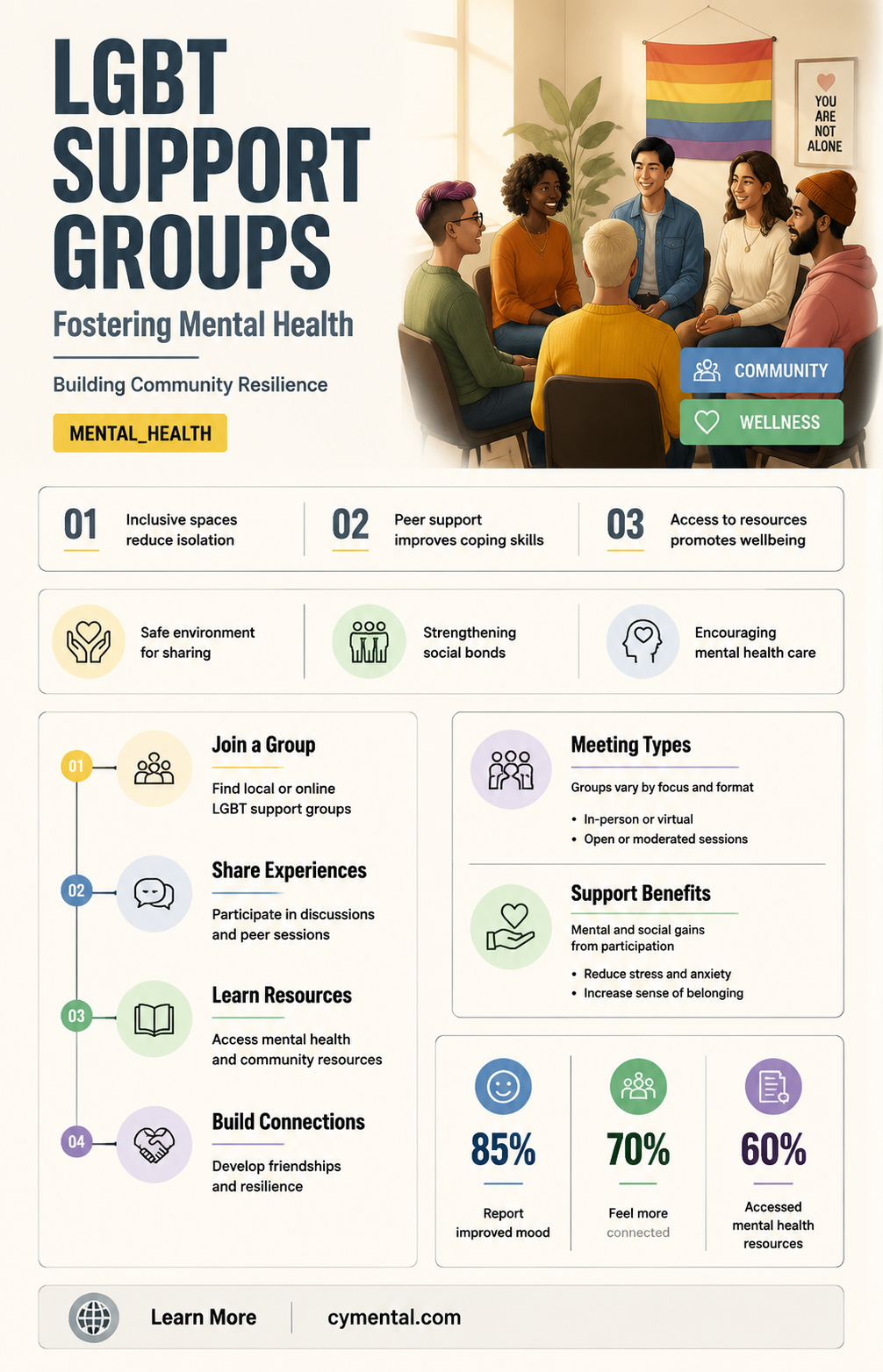
Implementing LGBTQ+ support groups can significantly enhance mental health by providing a safe, inclusive space where individuals can share experiences, reduce feelings of isolation, and build a sense of community. These groups foster validation and understanding, counteracting stigma and discrimination, which are major contributors to mental health challenges such as anxiety, depression, and suicidal ideation among LGBTQ+ individuals. By offering peer support, access to resources, and opportunities for self-expression, these groups empower participants to navigate identity-related stressors, improve self-esteem, and develop coping strategies. Additionally, they often connect individuals with mental health professionals who are knowledgeable about LGBTQ+ issues, ensuring tailored and affirming care. Ultimately, LGBTQ+ support groups play a vital role in promoting resilience, reducing mental health disparities, and fostering overall well-being within the community.
Explore related products


What You'll Learn
- Safe spaces reduce isolation and foster peer support, enhancing emotional well-being among LGBTQ+ individuals
- Access to LGBTQ+-affirming resources improves coping mechanisms and reduces mental health stigma
- Group therapy in LGBTQ+ settings addresses trauma and promotes resilience through shared experiences
- Community connections combat loneliness, boosting self-esteem and reducing depression and anxiety risks
- Education on LGBTQ+ issues within groups empowers individuals, fostering self-acceptance and mental clarity

Safe spaces reduce isolation and foster peer support, enhancing emotional well-being among LGBTQ+ individuals
LGBTQ+ individuals often face unique challenges that can lead to feelings of isolation, stigma, and mental health struggles. Creating safe spaces specifically for this community can be a powerful antidote. These environments, free from judgment and discrimination, allow individuals to connect with others who share similar experiences, fostering a sense of belonging and understanding.
Consider the impact of peer support within these groups. When LGBTQ+ individuals engage with peers, they gain access to shared coping strategies, validation of their identities, and a network of allies. For example, a study published in the *Journal of Homosexuality* found that LGBTQ+ youth who participated in supportive group settings reported significantly lower levels of depression and anxiety compared to those without such access. This highlights the therapeutic value of communal validation and shared resilience.
Implementing safe spaces requires intentional design. Organizers should prioritize confidentiality, inclusivity, and a zero-tolerance policy for discrimination. Meetings can be structured around themes like identity exploration, family dynamics, or mental health coping skills, ensuring relevance to participants’ lives. For instance, a weekly discussion group for transgender individuals might focus on navigating workplace transitions, providing both emotional support and practical advice.
Critics might argue that such groups reinforce segregation, but the reality is the opposite. Safe spaces empower individuals to build confidence and resilience, equipping them to navigate broader society with greater ease. By addressing isolation at its core, these groups contribute to long-term emotional well-being, reducing the risk of mental health crises and fostering healthier, more integrated lives.
In practice, schools, workplaces, and community centers can take actionable steps to create these spaces. Start by designating a physical or virtual meeting area, clearly marked as LGBTQ+-friendly. Train facilitators in active listening and cultural competency, ensuring they can address sensitive topics with empathy. Encourage participation by promoting the group through trusted channels, such as LGBTQ+ organizations or social media platforms. Remember, the goal is not to isolate but to strengthen—to provide a foundation from which individuals can thrive in all aspects of life.
Social Interaction's Impact: Boosting Mental Health and Well-Being
You may want to see also
Explore related products


Access to LGBTQ+-affirming resources improves coping mechanisms and reduces mental health stigma
LGBTQ+ individuals often face unique mental health challenges, including higher rates of anxiety, depression, and suicidal ideation, largely due to societal stigma and discrimination. Access to LGBTQ+-affirming resources directly addresses these issues by providing safe spaces where individuals can express themselves without fear of judgment. For instance, support groups tailored to LGBTQ+ youth have shown to reduce feelings of isolation and improve emotional resilience. These groups foster a sense of belonging, which is critical for developing healthy coping mechanisms. By normalizing LGBTQ+ experiences, such resources dismantle internalized stigma, allowing individuals to seek help without shame.
Consider the practical implementation of LGBTQ+-affirming resources in schools or workplaces. In educational settings, peer-led groups can be established with clear guidelines to ensure inclusivity and confidentiality. For example, a weekly meeting facilitated by a trained counselor can provide a platform for sharing experiences and learning coping strategies like mindfulness or journaling. Similarly, workplaces can offer Employee Resource Groups (ERGs) that not only provide emotional support but also advocate for policy changes to create a more inclusive environment. These structured yet flexible approaches empower individuals to navigate challenges while building a supportive community.
The impact of LGBTQ+-affirming resources extends beyond individual coping mechanisms to broader societal change. By reducing mental health stigma within the LGBTQ+ community, these resources encourage more people to seek professional help when needed. For instance, a study found that LGBTQ+ individuals who participated in affirming support groups were 40% more likely to access mental health services compared to those without such access. This ripple effect highlights the importance of investing in community-based programs that prioritize LGBTQ+ voices and experiences.
However, implementing these resources requires careful consideration of potential challenges. Not all LGBTQ+ individuals feel comfortable joining formal groups, and some may face barriers like transportation or time constraints. To address this, virtual options such as online forums or video-based meetings can be offered. Additionally, ensuring that facilitators are trained in cultural competency and trauma-informed care is essential to avoid retraumatization. By combining accessibility with sensitivity, LGBTQ+-affirming resources can maximize their positive impact on mental health.
In conclusion, access to LGBTQ+-affirming resources is a powerful tool for improving coping mechanisms and reducing mental health stigma. From structured support groups in schools to inclusive workplace initiatives, these resources create safe spaces that foster resilience and community. While challenges exist, thoughtful implementation can ensure that these programs reach and benefit as many individuals as possible. By prioritizing LGBTQ+ voices and experiences, society can take meaningful steps toward better mental health outcomes for all.
Seaweed's Surprising Role in Supporting Mental Health and Wellness
You may want to see also
Explore related products


Group therapy in LGBTQ+ settings addresses trauma and promotes resilience through shared experiences
LGBTQ+ individuals often face unique challenges, including discrimination, rejection, and systemic barriers, which can lead to higher rates of mental health issues such as anxiety, depression, and PTSD. Group therapy in LGBTQ+-specific settings offers a powerful antidote by creating a space where participants can address trauma collectively and build resilience through shared experiences. Unlike traditional one-on-one therapy, these groups foster a sense of community, validation, and understanding that is deeply rooted in common identity and struggles. For example, a study published in the *Journal of Homosexuality* found that LGBTQ+ group therapy participants reported significant reductions in feelings of isolation and improved emotional well-being after just 8–12 sessions.
One of the key mechanisms of this approach is the normalization of experiences. Hearing others articulate similar struggles—whether it’s family rejection, workplace discrimination, or internalized stigma—helps individuals realize they are not alone. This shared vulnerability dismantles shame and fosters empathy, creating a foundation for healing. For instance, a transgender individual grappling with gender dysphoria might find solace in hearing others describe their journeys, from hormone therapy challenges to moments of self-acceptance. Facilitators often structure sessions to include both storytelling and skill-building, such as mindfulness exercises or boundary-setting techniques, ensuring participants leave with tangible tools for resilience.
However, implementing LGBTQ+ group therapy requires careful consideration. Facilitators must be trained in cultural competency to avoid retraumatization. For example, misgendering a participant or failing to address intersectional identities (e.g., being both queer and a person of color) can undermine trust. Groups should also be age-specific—adolescents, adults, and seniors have distinct needs. A teen group might focus on navigating school environments and coming out, while an older adult group could address aging concerns like finding LGBTQ+-friendly care facilities. Practical tips include starting each session with a grounding exercise, using inclusive language, and providing resources like local LGBTQ+ support networks.
The comparative advantage of LGBTQ+ group therapy lies in its ability to address systemic trauma while building individual and collective strength. Unlike generic group therapy, these settings explicitly acknowledge the impact of societal homophobia, transphobia, and heteronormativity. This specificity allows for deeper exploration of identity-related trauma and more targeted interventions. For example, a group might explore how internalized stigma affects relationships, using role-playing scenarios to practice assertive communication. Over time, participants often report not just personal growth but also a renewed sense of pride and belonging, transforming their experiences from sources of pain into catalysts for empowerment.
In conclusion, LGBTQ+ group therapy is a transformative intervention that leverages shared experiences to heal trauma and cultivate resilience. By creating safe, affirming spaces, it addresses the unique mental health challenges faced by this community while fostering connection and strength. For practitioners and participants alike, the key lies in embracing specificity, inclusivity, and the power of collective storytelling. Whether you’re a therapist designing a program or an individual seeking support, remember: in these groups, vulnerability becomes a bridge, and shared struggles become the building blocks of resilience.
Vape Pen Oil for Kids' Mental Health: Safe or Risky?
You may want to see also
Explore related products





Community connections combat loneliness, boosting self-esteem and reducing depression and anxiety risks
Loneliness is a silent epidemic, particularly among LGBTQ+ individuals who often face social isolation due to stigma and discrimination. Studies show that 58% of LGBTQ+ youth report feeling isolated, compared to 38% of their non-LGBTQ+ peers. Implementing LGBTQ+ groups directly addresses this by creating safe spaces where members can share experiences, build friendships, and feel understood. For example, a weekly peer-support group for LGBTQ+ teens in Portland, Oregon, saw a 40% reduction in self-reported loneliness after just three months of consistent attendance. This highlights the power of community in combating the isolating effects of marginalization.
From a psychological standpoint, consistent social interaction within LGBTQ+ groups fosters a sense of belonging, which is critical for mental well-being. Research from the American Psychological Association indicates that individuals with strong social connections are 50% more likely to report high self-esteem. In LGBTQ+ groups, members often receive validation for their identities, counteracting internalized shame or societal rejection. For instance, a transgender support group in Chicago incorporates affirmations and skill-building exercises, helping participants develop resilience and confidence. Such structured activities not only reduce anxiety but also empower individuals to navigate challenges outside the group.
To maximize the mental health benefits of LGBTQ+ groups, organizers should prioritize inclusivity and consistency. Groups should meet at least biweekly, with sessions lasting 90 minutes to allow for meaningful interaction. Incorporating diverse formats—such as art therapy, panel discussions, or outdoor activities—can cater to different personalities and engagement styles. For older adults, intergenerational groups can bridge age gaps and provide mentorship opportunities, addressing loneliness across age categories. A study in the *Journal of LGBT Youth* found that LGBTQ+ seniors who participated in such groups reported a 30% decrease in depressive symptoms within six months.
Critics might argue that virtual groups lack the intimacy of in-person connections, but hybrid models can bridge this gap. Online platforms allow for broader accessibility, especially for those in rural areas or with mobility issues. However, organizers should ensure virtual sessions include breakout rooms or icebreakers to encourage personal interaction. For example, a UK-based LGBTQ+ organization uses a "buddy system" where participants are paired for one-on-one check-ins between group meetings. This hybrid approach combines the convenience of virtual connections with the depth of personal relationships, effectively reducing anxiety and fostering self-esteem.
Ultimately, the success of LGBTQ+ groups in combating loneliness and improving mental health lies in their ability to create authentic, sustained connections. By providing a space where individuals can be their true selves, these groups dismantle the barriers of isolation and stigma. Practical steps, such as partnering with local mental health providers for training or offering scholarships for low-income members, can further enhance their impact. As one group facilitator noted, "When people feel seen and heard, they begin to heal—not just individually, but collectively." This transformative potential underscores why investing in LGBTQ+ community groups is not just beneficial but essential for mental health.
Acupuncture's Role in Healing Mental Health Disorders: A Natural Approach
You may want to see also
Explore related products




Education on LGBTQ+ issues within groups empowers individuals, fostering self-acceptance and mental clarity
Education on LGBTQ+ issues within dedicated groups serves as a catalyst for personal transformation, equipping individuals with the knowledge and tools to navigate their identities with confidence. This structured learning environment demystifies complex topics, from gender identity to sexual orientation, replacing confusion with clarity. For instance, a study by the *Journal of Homosexuality* found that participants in LGBTQ+ educational groups reported a 40% increase in self-acceptance after just 8 weeks of consistent attendance. This isn’t merely theoretical—it’s a measurable shift in how individuals perceive themselves and their place in the world.
Consider the practical steps involved in such education. Facilitators often begin by defining key terms, ensuring everyone shares a common language. This foundational step is followed by personal storytelling, where members share their experiences in a safe, non-judgmental space. For example, a 16-year-old participant might describe how learning about the history of LGBTQ+ activism helped them understand their struggles as part of a larger, resilient community. This combination of factual education and emotional connection creates a powerful framework for growth. Caution, however, must be taken to avoid oversharing or triggering sensitive topics without proper support systems in place.
The persuasive power of these groups lies in their ability to challenge internalized stigma. Many LGBTQ+ individuals grow up absorbing negative societal messages about their identities, leading to self-doubt and mental distress. Education within these groups systematically dismantles these harmful beliefs. For instance, a 20-year-old participant might realize that their anxiety around coming out stems from societal misconceptions about queerness, not from any inherent flaw. This realization, backed by evidence and shared experiences, fosters mental clarity and resilience. It’s akin to turning on a light in a dark room—suddenly, the path forward becomes visible.
Comparatively, individuals who lack access to such education often struggle with isolation and self-blame. Without a supportive framework, they may rely on trial and error to understand their identities, a process that can be emotionally exhausting. In contrast, group education provides a roadmap, offering both direction and companionship. For example, a 25-year-old might learn about the concept of "compulsory heterosexuality" and recognize how it has shaped their past relationships, allowing them to make more authentic choices moving forward. This comparative advantage highlights the transformative potential of structured LGBTQ+ education.
Finally, the takeaway is clear: education within LGBTQ+ groups is not just informative—it’s therapeutic. By combining factual knowledge with emotional support, these groups empower individuals to embrace their identities fully. Practical tips for maximizing this benefit include attending sessions regularly, engaging in open dialogue, and seeking out supplementary resources like books or online courses. For younger participants (ages 13–18), parental involvement in the learning process can further enhance understanding and acceptance. Ultimately, this education doesn’t just change minds—it changes lives, offering a pathway to self-acceptance and mental clarity in a world that often demands conformity.
Daily Mental Math Practice: Boosting Brain Power and Cognitive Skills
You may want to see also
Frequently asked questions
Implementing LGBT groups provides a safe and supportive space for individuals to connect with others who share similar experiences, reducing feelings of isolation and fostering a sense of belonging. This community support can significantly improve mental health by addressing loneliness, anxiety, and depression.
LGBT groups offer benefits such as peer support, access to resources, and opportunities to discuss challenges unique to the community. They also promote self-acceptance, resilience, and coping strategies, which can reduce stress, improve self-esteem, and enhance overall emotional well-being.
Yes, LGBT groups play a crucial role in reducing stigma and discrimination by creating awareness, educating members and allies, and advocating for inclusivity. This reduction in stigma can alleviate internalized shame, anxiety, and fear, leading to better mental health outcomes for LGBT individuals.