Noah Parker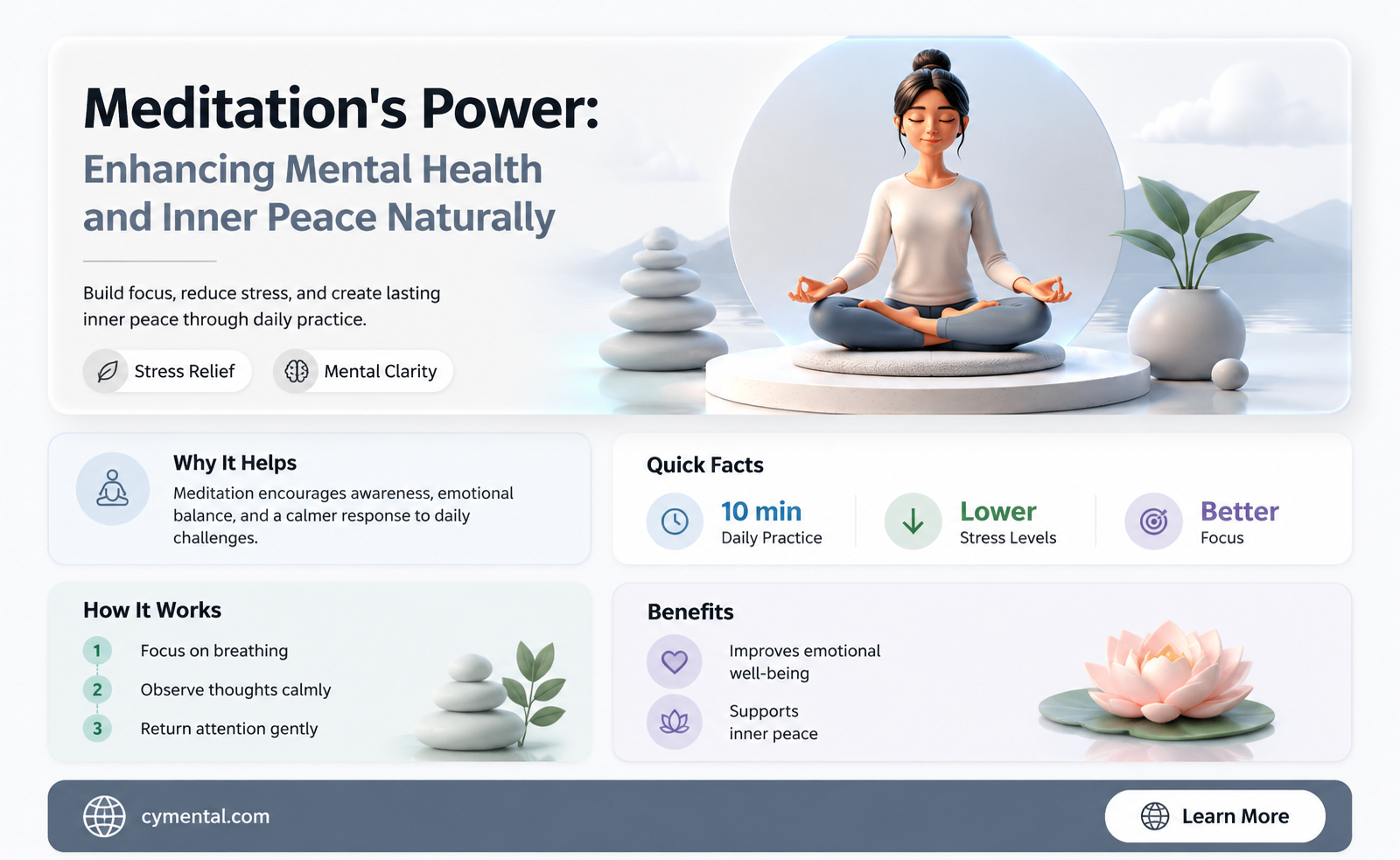
Meditation has emerged as a powerful tool for enhancing mental health, offering a natural and accessible way to cultivate inner peace and resilience. By encouraging mindfulness and present-moment awareness, meditation helps reduce stress, anxiety, and symptoms of depression by calming the mind and regulating emotions. Regular practice has been shown to lower cortisol levels, improve focus, and promote emotional clarity, fostering a sense of balance and well-being. Additionally, meditation strengthens the brain’s ability to manage negative thoughts and enhances self-awareness, empowering individuals to respond to life’s challenges with greater equanimity. Whether through guided sessions or silent reflection, incorporating meditation into daily routines can be a transformative step toward improving mental health and overall quality of life.
Explore related products


What You'll Learn

Reduces stress and anxiety through mindfulness practices
Stress and anxiety are the body’s natural responses to perceived threats, but chronic activation of these states can wreak havoc on mental and physical health. Mindfulness meditation, a practice rooted in focusing attention on the present moment without judgment, directly counteracts this by rewiring the brain’s stress response. Studies show that regular mindfulness practice reduces activity in the amygdala, the brain’s "fight or flight" center, while strengthening the prefrontal cortex, responsible for rational decision-making. This neurological shift explains why practitioners often report feeling calmer and more in control, even in high-pressure situations.
To harness these benefits, start with a simple 5- to 10-minute daily practice. Sit comfortably, close your eyes, and focus on your breath. Notice the sensation of air entering and leaving your nostrils. When your mind wanders (which it inevitably will), gently bring your attention back to the breath. Consistency is key—aim to meditate at the same time each day to build a habit. For those new to mindfulness, guided apps like Headspace or Calm can provide structure. Research suggests that even beginners experience measurable stress reduction after just 8 weeks of consistent practice, with effects compounding over time.
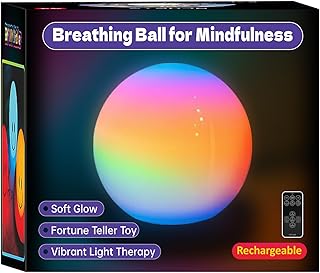
While mindfulness meditation is accessible to all ages, its application varies. For children and teens, shorter sessions (3–5 minutes) with visual or tactile aids, like a breathing ball or a candle flame, can make the practice engaging. Adults may benefit from longer sessions (15–20 minutes) to address work-related stress or emotional overwhelm. Seniors, particularly those dealing with age-related anxiety, can use mindfulness to cultivate acceptance and presence. Tailoring the practice to individual needs ensures it remains effective and sustainable.
One common misconception is that mindfulness requires "clearing the mind," which can feel daunting. In reality, the goal is not to eliminate thoughts but to observe them without attachment. Think of your thoughts as passing clouds—acknowledge them, but don’t chase after them. This shift in perspective is transformative, as it breaks the cycle of rumination that fuels anxiety. Pairing mindfulness with physical practices like yoga or walking meditation can further enhance its stress-reducing effects, creating a holistic approach to mental well-being.
Despite its benefits, mindfulness is not a cure-all, and overreliance on it without addressing underlying issues can be counterproductive. For individuals with severe anxiety or trauma, mindfulness should complement professional therapy, not replace it. Additionally, be mindful of "spiritual bypassing," where meditation is used to avoid difficult emotions rather than process them. When practiced thoughtfully, however, mindfulness becomes a powerful tool for reducing stress and anxiety, fostering resilience, and reclaiming inner peace.
Sex and Mental Health: Exploring the Surprising Benefits and Connections
You may want to see also
Explore related products



Enhances emotional regulation and mood stability
Meditation rewires the brain’s emotional circuitry, particularly the amygdala, which acts as the alarm system for stress and fear. Studies using MRI scans reveal that regular meditators have a smaller amygdala volume, correlating with reduced reactivity to emotional triggers. For instance, a Harvard study found that just 8 weeks of mindfulness meditation practice decreased amygdala activity during stress tasks by 40%. This physiological change translates to a practical benefit: when faced with a frustrating email or a tense conversation, meditators are less likely to spiral into anger or anxiety. The brain, quite literally, becomes less prone to hijacking by fleeting emotions.
Consider this scenario: a teenager practicing 10 minutes of focused breathing daily notices they no longer explode during arguments with parents. A working professional, after incorporating a 20-minute body scan meditation into their evening routine, reports feeling less overwhelmed by deadlines. These aren’t isolated anecdotes. Meta-analyses show that consistent meditation (20–30 minutes daily for 6–8 weeks) significantly improves emotional regulation across age groups, from adolescents to seniors. The key lies in cultivating awareness without judgment—observing emotions as passing clouds rather than permanent storms.
However, meditation isn’t a one-size-fits-all solution. For individuals with severe trauma or PTSD, unregulated meditation can sometimes amplify distress. A cautionary note: if emotions feel unmanageable, pair meditation with professional therapy. Start small—even 5 minutes of mindful breathing can interrupt emotional spirals. Apps like Headspace or Calm offer guided sessions tailored to mood stabilization. For deeper practice, techniques like Loving-Kindness Meditation (metta) specifically target emotional resilience by fostering compassion toward oneself and others.
The science is clear: meditation doesn’t eliminate emotions but transforms our relationship with them. It’s like upgrading the brain’s operating system—errors still occur, but the system no longer crashes. For optimal results, combine daily practice with consistent sleep and hydration. Think of it as emotional hygiene: just as brushing teeth prevents decay, daily meditation prevents mood decay. The takeaway? Emotional regulation isn’t about control; it’s about creating space between stimulus and response. Meditation provides that space—a sanctuary where stability thrives.
Fitting In vs. Standing Out: Impact on Mental Health Explored
You may want to see also
Explore related products



Improves focus and cognitive clarity over time
Meditation isn't just about calming the mind; it's a cognitive workout that strengthens your ability to focus. Studies show that regular meditation practice, particularly mindfulness meditation, increases activity in the prefrontal cortex, the brain region responsible for attention and decision-making. Think of it like training a muscle: consistent practice leads to measurable improvements in sustained attention, even in the face of distractions.
A 2010 study published in the journal *Psychological Science* found that participants who underwent an eight-week mindfulness meditation program showed significant improvements in their ability to focus during a demanding task compared to a control group.
Imagine trying to read a complex report while your phone buzzes and colleagues chatter. For many, this scenario spells disaster for concentration. However, research suggests that meditation can act as a mental shield against such distractions. A study published in *Frontiers in Human Neuroscience* (2012) found that experienced meditators exhibited stronger neural connectivity in areas associated with attentional control, allowing them to more effectively filter out irrelevant information. This translates to a heightened ability to stay on task and resist the pull of distractions, leading to increased productivity and efficiency.
Practically speaking, incorporating just 10-15 minutes of mindfulness meditation into your daily routine can yield noticeable benefits. Start by focusing on your breath, noticing its rhythm and sensation. When your mind wanders (which it inevitably will), gently bring your attention back to the breath without judgment. Over time, this practice strengthens your mental "muscle" for sustained focus.
While the benefits of meditation for focus are clear, it's important to manage expectations. Meditation is not a magic bullet; it requires consistent practice to see results. Think of it as a long-term investment in your cognitive health. Additionally, finding the right type of meditation is crucial. Mindfulness meditation, with its emphasis on present-moment awareness, is particularly effective for improving focus. Other forms, like loving-kindness meditation, may offer different benefits but might not directly target attentional control to the same degree.
Experiment with different meditation techniques and durations to find what works best for you. Remember, consistency is key. Just as you wouldn't expect to build muscle after one trip to the gym, don't expect overnight transformations in your focus. With regular practice, however, you'll likely notice a significant improvement in your ability to concentrate, leading to greater clarity and productivity in all areas of your life.
Self-Control and Mental Health: A Powerful Tool for Disorder Management
You may want to see also
Explore related products




Boosts self-awareness and introspection for personal growth
Meditation cultivates a quiet space within, allowing individuals to observe their thoughts and emotions without judgment. This practice of mindful observation is the cornerstone of self-awareness. By regularly sitting in stillness, even for just 10 minutes a day, you begin to notice patterns in your thinking, emotional triggers, and habitual reactions. This heightened awareness acts as a spotlight, illuminating areas of your inner landscape that may have previously been shrouded in autopilot.
For instance, you might realize you tend to catastrophize minor setbacks or that certain social situations consistently trigger feelings of anxiety. This newfound awareness is the first step towards meaningful personal growth.
Imagine your mind as a garden. Unchecked, weeds of negative thought patterns and emotional reactivity can choke the flowers of self-acceptance and resilience. Meditation acts as a gentle weeding tool, allowing you to identify and uproot these hindrances. Through introspection, you can examine the roots of these patterns – perhaps stemming from past experiences, societal conditioning, or unmet needs. This process of self-inquiry, facilitated by meditation, empowers you to challenge limiting beliefs and cultivate more positive and adaptive ways of thinking and being.
Just as a gardener tends to their plants, meditation allows you to nurture the seeds of self-compassion, understanding, and personal evolution.
The benefits of this heightened self-awareness extend far beyond mere intellectual understanding. By recognizing your emotional triggers, you gain the power to respond to challenging situations with greater mindfulness and control. Instead of reacting impulsively, you can pause, observe the arising emotion, and choose a more constructive response. This emotional regulation, fostered through meditation, leads to improved relationships, reduced stress levels, and a greater sense of overall well-being. Think of it as upgrading your emotional operating system, allowing you to navigate life's complexities with greater ease and grace.
Incorporating meditation into your daily routine doesn't require hours of silent contemplation. Start small, with 5-10 minutes of focused breathing each day. Find a quiet space, close your eyes, and simply observe your breath as it flows in and out. When your mind wanders (which it inevitably will), gently bring your attention back to the sensation of breathing. Consistency is key – aim to meditate at the same time each day to establish a habit. Over time, you can gradually increase the duration of your practice as you become more comfortable with the process. Remember, meditation is a journey, not a destination. Embrace the process, be patient with yourself, and allow the transformative power of self-awareness to unfold naturally.
Supporting Veterans: Strategies to Address Mental Health Challenges Effectively
You may want to see also
Explore related products


Promotes better sleep and overall mental resilience
Meditation’s impact on sleep quality is rooted in its ability to regulate the body’s stress response. When practiced consistently, mindfulness meditation reduces cortisol levels, a hormone linked to stress and sleep disruption. A study published in *JAMA Internal Medicine* found that participants who meditated for 20–30 minutes daily experienced significant improvements in sleep duration and quality compared to those who didn’t. This physiological shift creates an environment conducive to deeper, more restorative sleep, breaking the cycle of insomnia and restlessness.
To harness meditation’s sleep-enhancing benefits, start with a simple bedtime routine. Begin by sitting comfortably in a quiet space, closing your eyes, and focusing on your breath. Inhale for four counts, hold for four, exhale for six, and repeat for 10–15 minutes. This technique, known as 4-4-6 breathing, activates the parasympathetic nervous system, signaling to your body that it’s time to unwind. Pair this with a consistent sleep schedule, avoiding screens at least an hour before bed, to maximize results.
While meditation strengthens mental resilience, it’s not a one-size-fits-all solution. For individuals with severe anxiety or trauma, guided meditations or apps like Calm or Headspace can provide structure and safety. However, those with racing thoughts may find silent meditation counterproductive. In such cases, combining meditation with journaling or gentle yoga can offer a more balanced approach. The key is consistency—even five minutes daily can build resilience over time.
Comparing meditation to other sleep aids highlights its unique advantages. Unlike sleep medications, which often come with dependency risks, meditation is a natural, side-effect-free tool. It addresses the root cause of sleep issues—stress and overthinking—rather than merely masking symptoms. For instance, while melatonin supplements regulate sleep cycles, meditation teaches the mind to quiet itself, fostering long-term self-reliance. This dual benefit of improved sleep and mental fortitude makes it a powerful addition to any wellness routine.
Finally, integrating meditation into daily life amplifies its resilience-building effects. Beyond bedtime, practice mindfulness during mundane tasks—like washing dishes or walking—to cultivate present-moment awareness. This habitual grounding reduces reactivity to stressors, making it easier to bounce back from challenges. Over time, this mental agility translates into better emotional regulation, improved decision-making, and a more stable sense of well-being, proving that meditation’s benefits extend far beyond the sleep it promotes.
Vaping and Mental Health: Unraveling the Complex Relationship and Effects
You may want to see also
Frequently asked questions
Meditation activates the body's relaxation response, lowering cortisol levels and calming the nervous system. Practices like mindfulness meditation help individuals observe anxious thoughts without judgment, reducing their emotional impact over time.
Yes, regular meditation trains the brain to stay present and enhances attention span. Techniques like focused-attention meditation strengthen neural pathways associated with concentration, making it easier to manage distractions.
Meditation, particularly mindfulness-based practices, can reduce symptoms of depression by fostering self-awareness and emotional regulation. It encourages acceptance of negative thoughts and feelings, preventing them from escalating into depressive episodes.