Caleb Wright
Psychologists and mental health service professionals play a crucial role in supporting individuals facing emotional, psychological, and behavioral challenges. Through evidence-based therapies, such as cognitive-behavioral therapy (CBT) and mindfulness-based interventions, they help clients develop coping strategies, manage stress, and improve overall well-being. These professionals also provide diagnostic assessments, crisis intervention, and personalized treatment plans tailored to individual needs. By fostering a safe and non-judgmental environment, they empower clients to explore their thoughts and feelings, build resilience, and work toward meaningful life changes. Additionally, they advocate for mental health awareness, reduce stigma, and collaborate with other healthcare providers to ensure holistic care, ultimately enhancing the quality of life for those they serve.
Explore related products

$14.99 $29.99


What You'll Learn
- Crisis Intervention: Provide immediate support and stabilization during mental health emergencies
- Therapy Techniques: Utilize evidence-based methods like CBT, DBT, and mindfulness
- Assessment Tools: Diagnose conditions accurately using standardized psychological assessments
- Prevention Programs: Develop strategies to reduce mental health risks in communities
- Advocacy & Education: Promote mental health awareness and reduce stigma

Crisis Intervention: Provide immediate support and stabilization during mental health emergencies
In the throes of a mental health crisis, every second counts. Psychologists and mental health professionals are often the first line of defense, providing critical crisis intervention to stabilize individuals and prevent escalation. This immediate support can take many forms, from de-escalation techniques to safety planning, all aimed at creating a sense of security and hope in the midst of chaos.
Unlike long-term therapy, crisis intervention is a short-term, goal-oriented approach. It focuses on addressing the immediate danger, reducing distress, and connecting individuals to ongoing support. Think of it as emergency medical care for the mind, providing a vital bridge to recovery.
Consider a young adult experiencing a panic attack so severe they believe they're having a heart attack. A trained crisis intervention specialist would first prioritize safety, ensuring the individual is in a secure environment. They might then employ grounding techniques, such as deep breathing exercises or having the person name five things they can see, four they can touch, and so on. This helps bring the person back to the present moment and regain a sense of control.
While these initial steps are crucial, crisis intervention doesn't end there. The professional would also assess for suicidal ideation, self-harm risk, or other immediate dangers. They would then work with the individual to develop a safety plan, outlining coping strategies, emergency contacts, and steps to take if the crisis reoccurs. This plan becomes a lifeline, empowering the individual to manage future episodes and seek help proactively.
Effectiveness of crisis intervention relies on several key factors. Firstly, accessibility is paramount. Hotlines like the National Suicide Prevention Lifeline (988) provide 24/7 access to trained professionals. Secondly, cultural competency is essential. Understanding the unique experiences and needs of diverse populations ensures interventions are relevant and effective. Finally, collaboration is key. Crisis intervention often involves coordination with emergency services, family members, and other healthcare providers to ensure a comprehensive and supportive network.
Crisis intervention is not a cure-all, but it is a vital tool in the mental health arsenal. By providing immediate support, stabilizing individuals in distress, and connecting them to ongoing care, psychologists and mental health professionals play a crucial role in preventing tragedy and fostering hope during moments of profound vulnerability.
Can Ibuprofen Ease Mental Pain? Exploring Science and Limits
You may want to see also
Explore related products


Therapy Techniques: Utilize evidence-based methods like CBT, DBT, and mindfulness
Psychologists and mental health professionals wield a powerful toolkit of evidence-based therapy techniques to help individuals navigate the complexities of their minds. Among these, Cognitive Behavioral Therapy (CBT), Dialectical Behavior Therapy (DBT), and mindfulness practices stand out for their proven efficacy across a wide range of mental health challenges. These methods aren't just theoretical constructs; they are actionable strategies that empower individuals to rewrite their relationship with thoughts, emotions, and behaviors.
Imagine a person struggling with anxiety. CBT, for instance, would guide them to identify and challenge negative thought patterns, replacing them with more realistic and adaptive ones. This process, often likened to mental "rewiring," involves specific techniques like cognitive restructuring and behavioral experiments. Studies show that CBT can be as effective as medication for many anxiety disorders, with benefits often lasting long after treatment ends.
DBT, originally developed for borderline personality disorder, has proven its versatility in addressing emotional dysregulation, self-harm, and suicidal ideation. Its core components – mindfulness, distress tolerance, emotion regulation, and interpersonal effectiveness – equip individuals with a comprehensive skillset to navigate life's challenges. Mindfulness, a cornerstone of both CBT and DBT, cultivates present-moment awareness, allowing individuals to observe their thoughts and feelings without judgment. This non-reactive stance fosters emotional resilience and prevents automatic reactions to triggers.
While these techniques are powerful, their effectiveness hinges on skilled application. Therapists must tailor these methods to individual needs, considering factors like age, cultural background, and the specific nature of the presenting issue. For example, mindfulness exercises for children might involve playful activities like mindful eating or body scans, while adults may benefit from more structured meditation practices.
It's crucial to remember that therapy is a collaborative process. Individuals actively participate in their healing journey, practicing skills learned in sessions and applying them to real-life situations. Consistency is key; regular practice, even for short durations, yields better outcomes than sporadic, longer sessions.
The beauty of these evidence-based techniques lies in their accessibility. While professional guidance is essential, individuals can incorporate elements of CBT, DBT, and mindfulness into their daily lives. Journaling to identify thought patterns, practicing deep breathing exercises for distress tolerance, or engaging in mindful walking are all simple yet powerful tools for self-care and emotional well-being. By embracing these evidence-based methods, both therapists and individuals can unlock the transformative potential of the human mind, fostering resilience, growth, and lasting positive change.
Do Mentally Ill Individuals Seek Support? Breaking Barriers and Stigma
You may want to see also
Explore related products


Assessment Tools: Diagnose conditions accurately using standardized psychological assessments
Accurate diagnosis is the cornerstone of effective mental health treatment. Without a clear understanding of the underlying condition, interventions risk being misdirected or ineffective. This is where standardized psychological assessments become invaluable tools for psychologists and mental health professionals. These assessments, rigorously developed and validated through extensive research, provide a structured framework for gathering objective data about an individual's thoughts, feelings, behaviors, and cognitive abilities.
Imagine a patient presenting with symptoms of anxiety. While a clinical interview provides valuable subjective information, standardized assessments like the Beck Anxiety Inventory (BAI) or the Generalized Anxiety Disorder 7-item (GAD-7) scale offer quantifiable data, allowing for a more precise diagnosis. These tools, designed with specific scoring systems and established cutoff points, help differentiate between generalized anxiety disorder, social anxiety disorder, or other anxiety-related conditions.
This precision is crucial for tailoring treatment plans. For instance, cognitive-behavioral therapy (CBT) might be highly effective for generalized anxiety disorder, while exposure therapy could be more suitable for social anxiety. Standardized assessments ensure that the chosen intervention aligns with the specific diagnosis, maximizing the chances of positive outcomes.
However, it's important to remember that assessments are not crystal balls. They are tools, and like any tool, their effectiveness depends on proper use. Psychologists must be trained in administering and interpreting these assessments, understanding their limitations and potential biases. Cultural factors, for example, can influence responses, and some assessments may not be equally valid across diverse populations.
It's also crucial to consider the context of the assessment. A single score on a depression scale doesn't tell the whole story. It's essential to integrate assessment results with information from clinical interviews, observations, and collateral reports to build a comprehensive understanding of the individual's unique experience.
Despite these considerations, standardized psychological assessments remain indispensable tools for mental health professionals. They provide a scientific foundation for diagnosis, guiding treatment decisions and ultimately improving patient outcomes. By utilizing these assessments responsibly and ethically, psychologists can ensure that their interventions are targeted, effective, and truly beneficial for those seeking help.
Seeking Support: Discovering Accessible Resources for Guidance and Assistance
You may want to see also
Explore related products


$20.49 $36.99
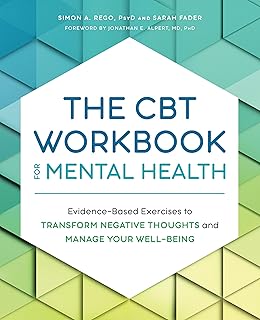


Prevention Programs: Develop strategies to reduce mental health risks in communities
Mental health risks often stem from a complex interplay of biological, psychological, and social factors. Prevention programs, when designed thoughtfully, can disrupt these pathways before they escalate into chronic conditions. Psychologists and mental health professionals play a pivotal role in crafting strategies that target at-risk populations, leveraging evidence-based practices to foster resilience and mitigate vulnerabilities. For instance, school-based interventions focusing on emotional regulation skills have shown a 30% reduction in anxiety symptoms among adolescents aged 12–18, according to a 2021 meta-analysis. Such programs highlight the importance of early intervention and tailored approaches.
To implement effective prevention programs, professionals must first identify community-specific risk factors through needs assessments. This involves analyzing local data on mental health trends, socioeconomic disparities, and access to resources. For example, a rural community might face higher rates of isolation and limited access to care, while an urban area could struggle with trauma related to violence. Once risks are mapped, interventions can be customized. A successful model is the *Communities That Care* framework, which uses a five-step process to select and adapt evidence-based programs for local contexts. This structured approach ensures that efforts are both targeted and scalable.
One practical strategy is to integrate mental health education into existing community structures, such as schools, workplaces, and faith-based organizations. For children, curricula like *PATHS* (Promoting Alternative Thinking Strategies) teach emotional literacy and problem-solving skills over 30 weekly sessions, with research demonstrating improved behavior and reduced aggression. Adults can benefit from workplace workshops on stress management, incorporating techniques like mindfulness or cognitive reframing. These initiatives not only reduce risk but also normalize conversations around mental health, breaking down stigma barriers.
However, prevention programs must navigate challenges such as funding constraints, participant engagement, and long-term sustainability. To address these, professionals can advocate for policy changes that prioritize mental health funding and collaborate with local leaders to secure resources. Additionally, leveraging digital platforms can increase accessibility; for instance, apps like *Headspace* or *Calm* offer scalable solutions for stress reduction, though they should complement, not replace, in-person interventions. Monitoring and evaluation are equally critical—programs should track outcomes using validated tools to ensure effectiveness and make data-driven adjustments.
Ultimately, prevention programs are a proactive investment in community well-being, shifting the focus from crisis management to risk reduction. By combining scientific rigor with cultural sensitivity, psychologists and mental health professionals can design interventions that not only address immediate needs but also build long-term resilience. The key lies in collaboration—engaging stakeholders, adapting strategies to local realities, and fostering a collective commitment to mental health. When executed thoughtfully, these programs can transform communities, reducing the burden of mental illness before it takes root.
Physical Activity: A Powerful Tool to Boost Mental Well-Being
You may want to see also
Explore related products

$14.99 $19.99

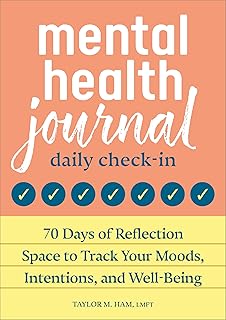


Advocacy & Education: Promote mental health awareness and reduce stigma
Mental health stigma silences sufferers, delays treatment, and exacerbates symptoms. Psychologists and mental health professionals must actively challenge this through advocacy and education, leveraging their expertise to reshape public perception. One effective strategy involves partnering with community organizations to host workshops that debunk myths about mental illness. For instance, a study by the American Psychological Association found that interactive sessions combining personal narratives with clinical facts increased participants’ empathy and reduced stigmatizing attitudes by 30%. These workshops should target diverse audiences, including schools, workplaces, and faith-based groups, to maximize reach and impact.
Education campaigns must move beyond generic slogans to address specific misconceptions. For example, many believe depression is merely "feeling sad," but professionals can clarify its clinical criteria, such as persistent low mood lasting at least two weeks, coupled with physical symptoms like fatigue or insomnia. Incorporating data, like the World Health Organization’s statistic that 1 in 4 people globally will experience a mental health disorder, adds credibility and urgency. Professionals should also emphasize that recovery is possible—70% of individuals with major depression improve with treatment—to foster hope and encourage help-seeking behaviors.
Advocacy efforts should extend to digital platforms, where misinformation spreads rapidly. Mental health professionals can create engaging content—infographics, short videos, or podcasts—that simplifies complex topics without oversimplifying them. For instance, a 2-minute video explaining the neurobiology of anxiety, using relatable analogies like a "false fire alarm in the brain," can demystify the condition for a broad audience. Social media campaigns, such as #MentalHealthMatters, can amplify these messages, but professionals must monitor comments to address skepticism or hostility constructively, modeling respectful dialogue.
Reducing stigma requires not only informing but also empowering individuals to become advocates themselves. Training programs for teachers, employers, and peers can equip them with tools to recognize signs of distress and respond appropriately. For example, a 4-hour workshop on "Mental Health First Aid" teaches participants how to apply the ALGEE protocol (Assess for risk, Listen nonjudgmentally, Give reassurance, Encourage professional help, Encourage self-help). Such programs have been shown to increase confidence in supporting others and reduce stigma among participants by 25%. By multiplying advocates, professionals can create a ripple effect of awareness and acceptance.
Finally, advocacy must address systemic barriers that perpetuate stigma, such as discriminatory policies or inadequate funding for mental health services. Professionals can write op-eds, testify at legislative hearings, or collaborate with policymakers to advocate for evidence-based reforms. For instance, advocating for parity laws that require insurers to cover mental health treatment equally to physical health care can reduce financial barriers to care. By combining grassroots education with policy advocacy, mental health professionals can dismantle stigma at both individual and societal levels, fostering a culture where seeking help is seen as a sign of strength, not weakness.
Education's Impact: Boosting Mental Health Through Learning and Growth
You may want to see also
Frequently asked questions
Psychologists and mental health professionals can help by providing evidence-based therapies like Cognitive Behavioral Therapy (CBT), teaching coping strategies, and offering mindfulness techniques. They also assess underlying causes, provide emotional support, and collaborate with clients to develop personalized treatment plans.
These professionals offer a range of interventions, including psychotherapy (e.g., CBT or interpersonal therapy), medication management (in collaboration with psychiatrists), and lifestyle adjustments. They also help individuals identify negative thought patterns, build resilience, and reconnect with meaningful activities.
They provide family or couples therapy to address communication issues, resolve conflicts, and strengthen bonds. Professionals help identify unhealthy patterns, teach effective interaction skills, and create a safe space for all parties to express their feelings and work toward mutual understanding.