Madison Cole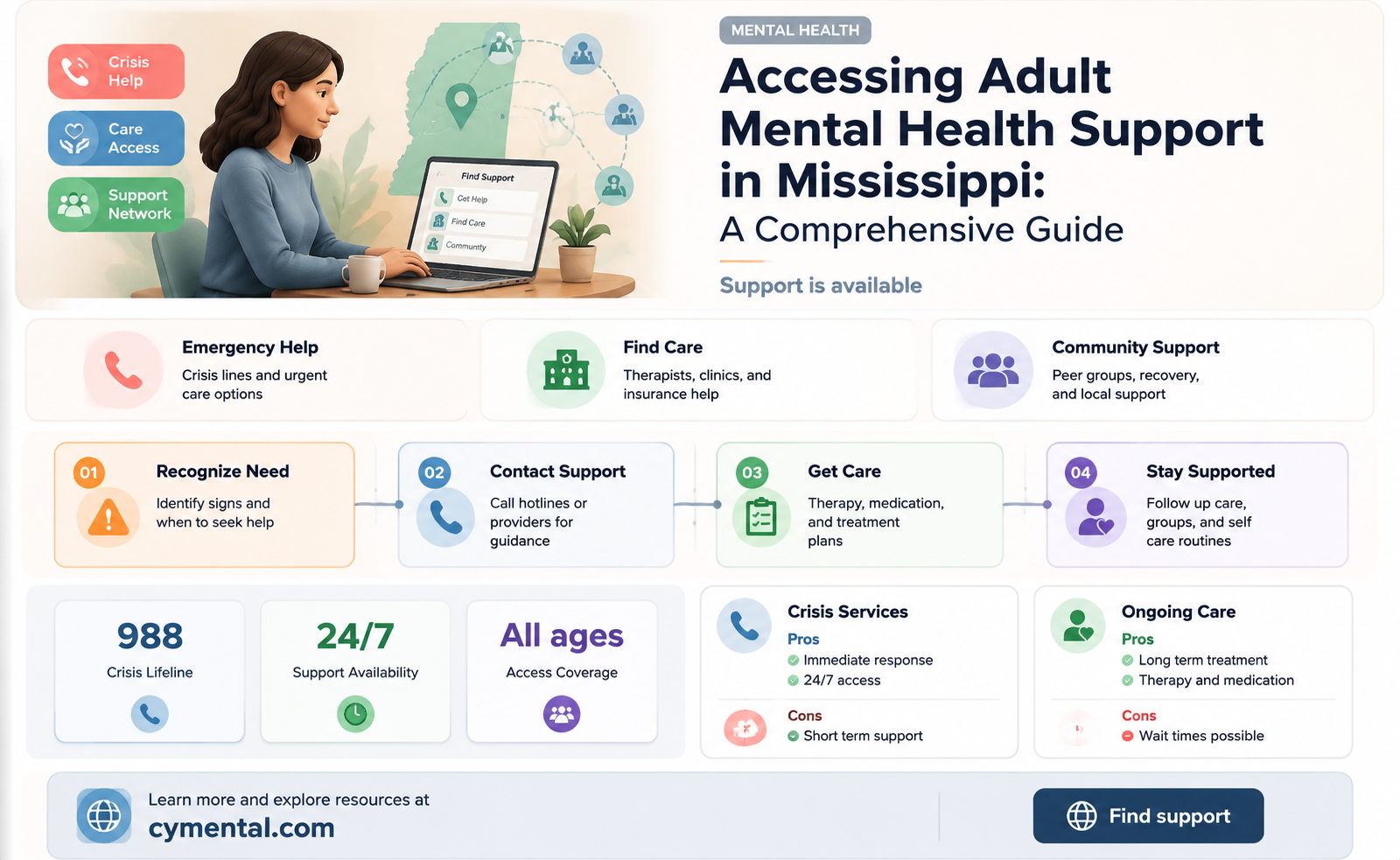
Accessing adult mental health services in Mississippi involves several steps and resources available to individuals seeking support. The state offers a range of options, including community mental health centers, private therapists, and telehealth services, which can be found through the Mississippi Department of Mental Health (DMH) website or by contacting the DMH helpline. Additionally, local hospitals, primary care physicians, and non-profit organizations often provide referrals or direct assistance. Insurance coverage, including Medicaid and private plans, typically includes mental health services, though it’s important to verify specific benefits. For those without insurance, sliding-scale fee clinics and state-funded programs may offer affordable or free care. In emergencies, the National Suicide Prevention Lifeline (988) and local crisis hotlines are available 24/7. Proactively reaching out to these resources can help individuals navigate the system and find the appropriate care for their mental health needs.
Explore related products


What You'll Learn

Finding Local Mental Health Clinics
Mississippi's vast rural landscape can make accessing mental health services feel like navigating a maze. Yet, local mental health clinics are often the cornerstone of support for adults seeking help. These clinics, typically operated by regional community mental health centers, offer a range of services from therapy and medication management to crisis intervention. Identifying these clinics requires a strategic approach, leveraging both online resources and community networks.
Begin by tapping into Mississippi’s Department of Mental Health (DMH) website, which provides a directory of licensed mental health providers and clinics across the state. Filter by location to pinpoint clinics near you. For those without internet access, a simple call to the DMH helpline (1-877-210-8513) connects you with a representative who can guide you to local resources. Additionally, 211 Mississippi, a statewide referral service, offers another avenue to locate clinics by dialing 2-1-1 or visiting their website. These tools streamline the search, ensuring you don’t overlook nearby options.
While online directories are invaluable, don’t underestimate the power of local knowledge. Primary care physicians, school counselors, and even religious leaders often have insights into trusted clinics in the area. Community health fairs and local government websites may also list mental health resources. For instance, some counties in Mississippi partner with clinics to offer reduced-fee services for uninsured adults, a detail you’re more likely to uncover through word-of-mouth or local platforms.
Once you’ve identified potential clinics, assess their fit for your needs. Most clinics offer initial consultations to determine the best course of treatment, which may include individual therapy, group sessions, or psychiatric evaluations. Inquire about specialized programs, such as those for substance abuse, trauma, or chronic mental health conditions. For adults with transportation challenges, ask if telehealth options are available—many Mississippi clinics now provide virtual services to bridge geographical gaps.
Finally, consider the financial aspect. Mississippi’s clinics often operate on a sliding fee scale, adjusting costs based on income. If you’re uninsured or underinsured, ask about state-funded programs or partnerships with organizations like the Mississippi Division of Medicaid. Some clinics also accept private insurance, so verify coverage before committing. By combining thorough research with practical considerations, finding a local mental health clinic in Mississippi becomes less daunting and more actionable.
United Healthcare Mental Health Support: Coverage, Benefits, and Resources
You may want to see also
Explore related products


Accessing Teletherapy Services in Mississippi
Teletherapy has emerged as a vital resource for adults seeking mental health support in Mississippi, particularly in rural areas where access to in-person care is limited. With the rise of digital platforms, individuals can now connect with licensed therapists from the comfort of their homes, breaking down barriers like distance and transportation. This shift has been accelerated by the COVID-19 pandemic, which highlighted the necessity of remote mental health services. Mississippi residents can access teletherapy through various platforms, including BetterHelp, Talkspace, and local providers like Canopy Children’s Solutions, which offer adult services as well. These platforms typically require a smartphone, tablet, or computer with internet access, making them accessible to a broad audience.
To begin teletherapy in Mississippi, start by researching licensed providers who offer virtual sessions. The Mississippi Department of Mental Health maintains a directory of telehealth providers, ensuring you connect with professionals who meet state standards. Insurance coverage is a critical factor; many plans now include teletherapy as part of their mental health benefits, but it’s essential to verify this with your provider. For those without insurance, sliding-scale fees or state-funded programs like the Mississippi Division of Medicaid may offer affordable options. Once you’ve identified a provider, scheduling an initial consultation is straightforward—most platforms allow you to book appointments online or via phone.
While teletherapy offers convenience, it’s not a one-size-fits-all solution. Adults with severe mental health conditions, such as acute psychosis or suicidal ideation, may require in-person care for immediate intervention. Additionally, reliable internet access is a must; those in areas with poor connectivity may face challenges. To maximize the benefits of teletherapy, create a quiet, private space for sessions and ensure your device is fully charged. It’s also helpful to prepare questions or concerns in advance to make the most of your time with the therapist.
Comparatively, teletherapy in Mississippi stands out for its ability to reach underserved populations, such as those in the Delta region, where mental health resources are scarce. Traditional therapy often involves long travel times, which can deter individuals from seeking help. Teletherapy eliminates this hurdle, fostering greater consistency in treatment. However, it’s worth noting that some individuals may prefer the personal touch of face-to-face interactions, so it’s important to weigh these factors when deciding on a treatment approach.
In conclusion, accessing teletherapy services in Mississippi is a practical and effective way for adults to receive mental health support. By leveraging technology, individuals can overcome geographical and logistical barriers, ensuring timely and consistent care. Whether you’re dealing with anxiety, depression, or other mental health challenges, teletherapy offers a flexible and accessible solution. With the right preparation and resources, Mississippians can take proactive steps toward improving their mental well-being.
Meditation's Power: Enhancing Mental Health and Inner Peace Naturally
You may want to see also
Explore related products


$8.99 $19.99


State-Funded Mental Health Programs
Mississippi offers a range of state-funded mental health programs designed to provide accessible and affordable care for adults. These programs are administered by the Mississippi Department of Mental Health (DMH) and are tailored to meet the diverse needs of individuals across the state. From crisis intervention to long-term treatment, these services aim to address mental health challenges at various stages, ensuring that residents have the support they need to thrive.
One of the cornerstone programs is the Community Mental Health Centers (CMHCs), which serve as the primary access point for state-funded mental health services. These centers are strategically located across Mississippi’s 82 counties, offering outpatient therapy, medication management, and case management. Adults seeking help can visit their local CMHC for an initial assessment, which determines the appropriate level of care. For instance, someone experiencing mild anxiety might be referred to individual counseling sessions, while another with severe depression could receive a combination of therapy and psychiatric services. To access these services, individuals can call their nearest CMHC directly or visit the DMH website for contact information.
For adults in crisis, Mississippi’s Mobile Crisis Response Teams provide immediate, on-site assistance. These teams consist of mental health professionals trained to de-escalate emergencies and connect individuals to appropriate resources. Available 24/7, this service is particularly vital for those experiencing suicidal thoughts, severe anxiety, or psychotic episodes. To activate a mobile crisis team, individuals or their loved ones can call the statewide crisis hotline at 1-877-210-8513. This service is free and does not require insurance, making it a critical lifeline for those in urgent need.
Another key initiative is the Mississippi Integrated Care Program, which focuses on integrating mental health services into primary care settings. This program is especially beneficial for adults who may not seek mental health care independently but visit their primary care physician regularly. By embedding mental health professionals in clinics, the program ensures that conditions like depression, anxiety, or substance use disorders are identified and treated early. Patients can ask their primary care provider about this service or inquire during routine appointments.
While these programs are comprehensive, navigating them can be challenging. Adults seeking help should start by contacting their local CMHC or calling the DMH helpline at 601-359-1288 for guidance. Additionally, the DMH website offers a detailed directory of services, eligibility criteria, and application processes. It’s important to note that state-funded programs often prioritize individuals without insurance or with limited financial resources, though services are available to all Mississippi residents.
In conclusion, Mississippi’s state-funded mental health programs provide a robust safety net for adults in need. By leveraging CMHCs, mobile crisis teams, and integrated care initiatives, the state ensures that mental health support is both accessible and tailored to individual needs. While the system may seem complex, proactive steps—such as contacting local resources or utilizing the DMH helpline—can simplify the process and connect individuals to the care they deserve.
Clean Spaces, Clear Minds: How Room Organization Impacts Mental Health
You may want to see also
Explore related products


Crisis Hotlines and Emergency Resources
In moments of acute mental health crisis, immediate access to support can be a lifeline. Mississippi offers several crisis hotlines and emergency resources designed to provide rapid assistance to adults in distress. These services are staffed by trained professionals who can offer emotional support, guidance, and intervention strategies to de-escalate crises. For instance, the Mississippi Department of Mental Health operates a 24/7 crisis hotline accessible by calling 1-877-210-8513, connecting individuals to local resources and emergency care.
One of the most widely recognized resources is the 988 Suicide & Crisis Lifeline, a national network that includes Mississippi. By dialing or texting 988, adults can reach a trained crisis counselor who can provide real-time support and connect them to local emergency services if needed. This lifeline is particularly valuable for those experiencing suicidal thoughts, severe anxiety, or other urgent mental health concerns. It’s important to note that 988 is not just for suicidal crises but also serves as a resource for any mental health emergency.
For individuals seeking in-person assistance, Mississippi’s Community Mental Health Centers (CMHCs) offer walk-in crisis services across the state. These centers provide immediate assessments, stabilization, and referrals to longer-term care. To locate the nearest CMHC, visit the Mississippi Department of Mental Health’s website or call their office for guidance. Additionally, hospitals with psychiatric emergency services, such as the University of Mississippi Medical Center, can provide urgent care for severe mental health episodes.
While hotlines and emergency resources are critical, it’s essential to understand their limitations. They are not a substitute for ongoing therapy or medication management but serve as a bridge to more comprehensive care. Adults should follow up with a mental health provider after using these services to address underlying issues. Practical tips include keeping a list of emergency contacts readily available and familiarizing oneself with local resources before a crisis occurs.
In summary, Mississippi’s crisis hotlines and emergency resources are vital tools for adults facing mental health emergencies. From the statewide crisis hotline to the 988 Lifeline and CMHCs, these services offer immediate support and pathways to long-term care. By leveraging these resources effectively, individuals can navigate crises with greater safety and access the help they need to recover.
ACA's Impact: Mental Health Care Access and Outcomes Explored
You may want to see also
Explore related products


Support Groups and Community Organizations
In Mississippi, support groups and community organizations serve as vital lifelines for adults seeking mental health assistance. These groups often provide a sense of belonging and understanding that professional therapy alone cannot offer. For instance, organizations like the National Alliance on Mental Illness (NAMI) Mississippi host peer-led support groups for individuals and families affected by mental illness. These meetings, typically held weekly, create a safe space for sharing experiences, coping strategies, and encouragement. Unlike clinical settings, support groups emphasize mutual aid, fostering resilience through collective strength.
To locate a support group, start by contacting local mental health clinics or visiting the NAMI Mississippi website, which lists statewide resources. Many groups are free and require no formal diagnosis to join. For those hesitant to attend in-person meetings, virtual options have become increasingly available, particularly post-pandemic. Platforms like Zoom host groups focused on specific issues, such as anxiety, depression, or grief. When choosing a group, consider its format (open-ended discussion vs. structured curriculum) and whether it aligns with your needs. Consistency is key—attending regularly maximizes the benefits of peer support.
Community organizations in Mississippi also play a proactive role in mental health education and advocacy. For example, the Mississippi Department of Mental Health collaborates with local nonprofits to host workshops on stress management, mindfulness, and crisis intervention. These events often include practical tools, like guided meditation scripts or budgeting tips to reduce financial stress, a common trigger for mental health issues. Additionally, faith-based organizations, such as churches or community centers, frequently offer counseling services or host recovery programs like Celebrate Recovery, blending spiritual support with mental health care.
While support groups and community organizations are invaluable, they are not a substitute for professional treatment. Adults with severe or persistent symptoms should seek licensed therapists or psychiatrists. However, these community resources can complement formal care by addressing social isolation, a significant barrier to recovery. For instance, a study by the American Psychological Association found that individuals participating in support groups reported higher levels of hope and self-efficacy compared to those relying solely on individual therapy. This highlights the unique role of community-based initiatives in fostering holistic healing.
To maximize the impact of these resources, combine participation with self-care practices. For example, after attending a support group, journal about the insights gained or try a grounding technique discussed during the meeting. Additionally, stay informed about local events by subscribing to newsletters from organizations like the Mississippi Chapter of the Depression and Bipolar Support Alliance. By actively engaging with these networks, adults in Mississippi can build a robust support system that empowers them to navigate mental health challenges with confidence and community backing.
Seeking Help: A Powerful Step Toward Healing Mental Illness
You may want to see also
Frequently asked questions
Start by contacting your primary care physician or a local mental health clinic. You can also call the Mississippi Department of Mental Health (DMH) helpline at 1-877-210-8513 for guidance and resources.
Yes, Mississippi offers free or low-cost mental health services through community mental health centers, Medicaid, and nonprofit organizations. Contact your local DMH office or visit their website for more information.
Use the Mississippi Board of Examiners for Social Work and Marriage & Family Therapy directory or the Psychology Today website to search for licensed professionals in your area. You can also ask for referrals from your doctor or local mental health organizations.
In a crisis, call 911 or the National Suicide Prevention Lifeline at 988. Mississippi also has mobile crisis units available through local mental health centers, which can provide immediate assistance.
Yes, many mental health providers in Mississippi offer telehealth services, especially after the expansion during the COVID-19 pandemic. Check with your insurance provider or local clinics to find telehealth options.


![Help![Blu-ray]](https://m.media-amazon.com/images/I/6155cLsT0HL._AC_UY218_.jpg)


![Help! [LP]](https://m.media-amazon.com/images/I/71Lo3XMoSlL._AC_UY218_.jpg)