Ava Ramirez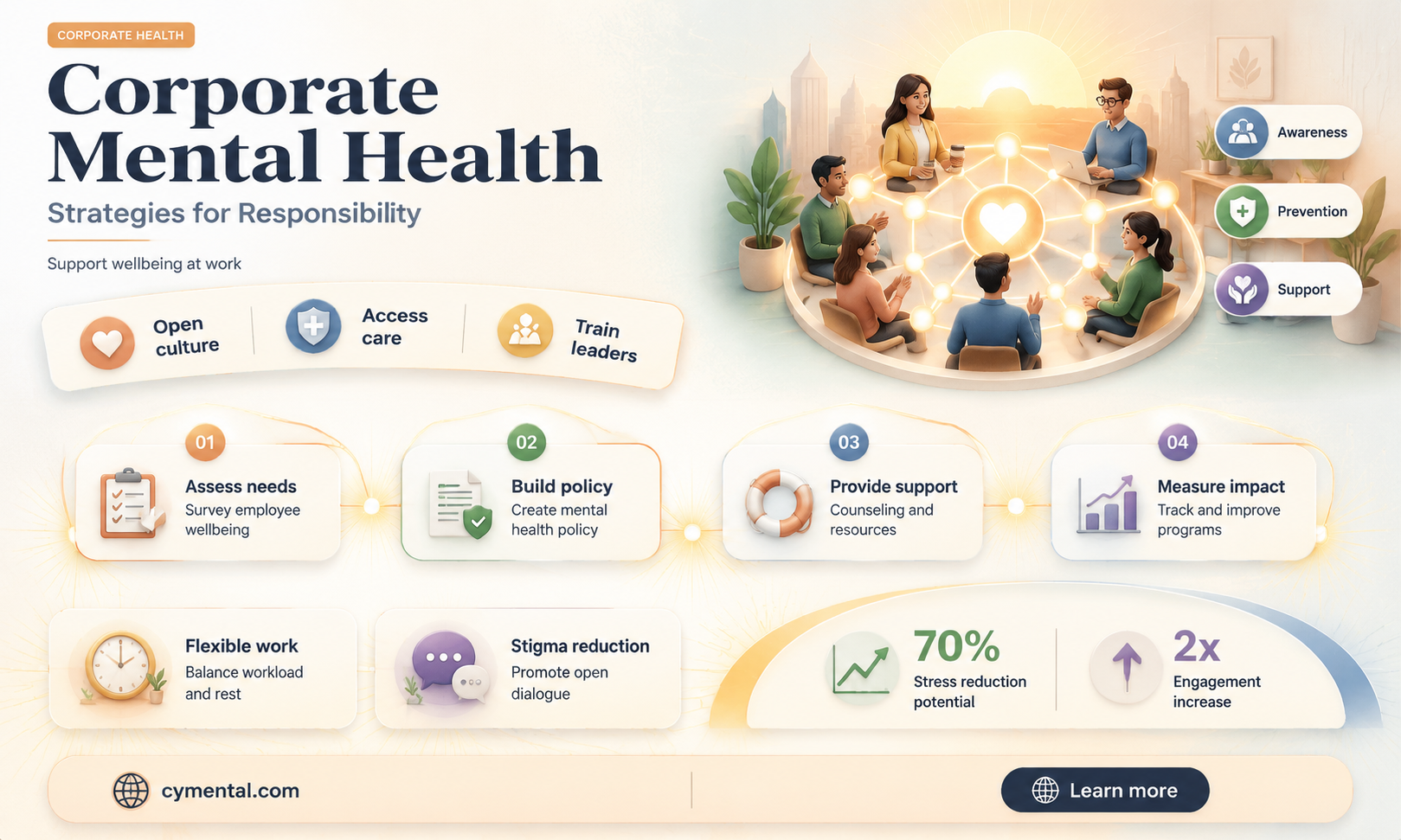
Corporations play a pivotal role in addressing the global mental health crisis by leveraging their resources, influence, and reach to create meaningful change. As employers, they can foster supportive workplace environments through policies like flexible schedules, mental health days, and access to counseling services, reducing stigma and encouraging employees to seek help. Beyond internal initiatives, companies can contribute to broader societal solutions by funding mental health research, partnering with nonprofits, and integrating mental wellness into their corporate social responsibility programs. Additionally, businesses can use their platforms to raise awareness, promote mental health literacy, and advocate for policy changes that prioritize mental well-being. By prioritizing mental health, corporations not only enhance employee productivity and retention but also contribute to healthier, more resilient communities, demonstrating that tackling mental health is both a moral imperative and a strategic investment.
Explore related products


What You'll Learn
- Promote Work-Life Balance: Flexible schedules, remote work options, and paid time off reduce stress and burnout
- Provide Mental Health Benefits: Offer therapy, counseling, and wellness programs as part of employee healthcare packages
- Foster Inclusive Cultures: Create safe, stigma-free environments where employees feel supported discussing mental health
- Train Managers in Support: Equip leaders with skills to recognize and address mental health concerns effectively
- Invest in Wellness Tools: Provide access to apps, mindfulness resources, and stress management workshops for employees

Promote Work-Life Balance: Flexible schedules, remote work options, and paid time off reduce stress and burnout
Chronic stress and burnout are silent productivity killers, costing corporations billions annually in lost productivity, absenteeism, and healthcare expenses. Yet, many companies still cling to rigid 9-to-5 schedules and office-centric cultures, inadvertently fueling these issues. Promoting work-life balance through flexible schedules, remote work options, and paid time off isn’t just a perk—it’s a strategic investment in employee mental health and organizational success.
Consider the case of Buffer, a fully remote company that offers unlimited vacation days. Their 2023 State of Remote Work report revealed that 91% of employees felt more productive working remotely, citing reduced commute stress and greater control over their schedules. Similarly, a 2022 study by Stanford University found that remote workers experienced a 13% performance increase, alongside improved job satisfaction and reduced turnover rates. These examples underscore the tangible benefits of flexibility: when employees have autonomy over their time, they’re less likely to experience burnout and more likely to engage meaningfully with their work.
Implementing flexible schedules doesn’t mean chaos. Start by offering core hours (e.g., 10 AM–3 PM) when employees must be available, while allowing them to choose when to complete the rest of their hours. For remote work, provide clear guidelines on communication expectations and tools (e.g., Slack, Zoom) to maintain connectivity without encroaching on personal time. Paid time off should be encouraged, not just offered—managers can lead by example by taking regular breaks and publicly acknowledging the importance of downtime. For instance, companies like Deloitte have introduced "wellness days," mandatory paid leave specifically for mental health recovery.
However, flexibility alone isn’t a panacea. Without boundaries, remote work can blur the line between professional and personal life, leading to "always-on" culture. To mitigate this, establish norms like "no email after 7 PM" or encourage employees to block off personal time on their calendars. Additionally, ensure managers are trained to recognize signs of burnout and foster a culture where taking time off is celebrated, not stigmatized.
The takeaway is clear: work-life balance isn’t a luxury—it’s a necessity for mental well-being. By embracing flexible schedules, remote work, and paid time off, corporations can reduce stress, prevent burnout, and cultivate a healthier, more productive workforce. It’s not just about giving employees time; it’s about giving them the autonomy to use it in ways that recharge and rejuvenate them.
Microadenoma Removal: A Potential Boost for Mental Health?
You may want to see also
Explore related products


Provide Mental Health Benefits: Offer therapy, counseling, and wellness programs as part of employee healthcare packages
Mental health benefits are no longer a luxury—they’re a necessity. Employees spend a third of their lives at work, and the stress, burnout, and isolation that often accompany modern jobs can take a severe toll. Corporations have the power to intervene by integrating therapy, counseling, and wellness programs into healthcare packages, creating a safety net for workers before issues escalate. This isn't just altruism; it’s a strategic investment in productivity, retention, and a healthier bottom line.
Consider the logistics: offering mental health benefits doesn’t require reinventing the wheel. Companies can partner with existing platforms like BetterHelp or Talkspace to provide virtual therapy sessions, ensuring accessibility for remote or time-constrained employees. In-house options, such as weekly mindfulness workshops or on-site counselors, can also be effective. For instance, Google’s "gPause" program offers meditation sessions, while Unilever provides up to 10 therapy sessions annually per employee. These examples demonstrate that scalability and customization are key—whether a corporation has 50 or 50,000 employees, tailored solutions exist.
However, implementation isn’t without challenges. Stigma remains a barrier, with many employees fearing judgment or career repercussions if they seek help. Corporations must actively destigmatize mental health by fostering a culture of openness. Leaders can model vulnerability by sharing their own experiences, and HR teams can anonymize usage data to protect privacy. Additionally, benefits should be clearly communicated—a 2022 study found that 40% of employees weren’t aware of their company’s mental health resources. Regular reminders via email, intranet, or team meetings can bridge this gap.
The ROI of such programs is undeniable. A 2021 report by Deloitte found that for every dollar spent on mental health interventions, companies see a $4 return in improved productivity and reduced absenteeism. Beyond metrics, there’s a human element: employees who feel supported are more loyal, engaged, and creative. For example, Salesforce reported a 9% increase in employee satisfaction after expanding its mental health offerings. This isn’t just about treating illness—it’s about cultivating resilience and well-being in a workforce facing unprecedented challenges.
In conclusion, providing mental health benefits isn’t a one-size-fits-all endeavor but a dynamic strategy requiring thoughtfulness and adaptability. Corporations must balance accessibility, privacy, and cultural sensitivity while measuring impact and iterating. By treating mental health as a core component of employee care, companies don’t just address a crisis—they build a foundation for long-term success, proving that compassion and profitability can coexist.
Seeking Support: Navigating Mental Breakdowns and Finding Help
You may want to see also
Explore related products


$12.36 $37


Foster Inclusive Cultures: Create safe, stigma-free environments where employees feel supported discussing mental health
Creating a safe, stigma-free workplace begins with leadership modeling vulnerability. When executives openly discuss their own mental health experiences—whether it’s taking a stress-related leave or prioritizing therapy—it normalizes the conversation. For instance, a CEO at a tech firm shared during an all-hands meeting how meditation helped manage their anxiety, leading to a 40% increase in employees using the company’s mental health app within three months. This top-down approach dismantles the illusion of invincibility and signals that seeking help is not a sign of weakness but a mark of self-awareness.
Policies alone are not enough; they must be paired with tangible actions. Implementing "mental health days" as a separate category from sick leave removes the pressure to feign physical illness. Companies like LinkedIn and Hootsuite have introduced this distinction, reporting a 25% rise in productivity as employees returned more rested and focused. Pair this with mandatory training for managers to recognize signs of burnout—such as consistent overtime or withdrawn behavior—and equip them with scripts to initiate conversations without judgment. For example, "I’ve noticed you’ve been quieter lately. How are you feeling, and how can I support you?"
Physical spaces can reinforce psychological safety. Redesign break rooms to include quiet zones with noise-canceling headphones, biophilic elements like indoor plants, and access to natural light—factors proven to reduce stress by up to 15%. Unilever’s London office introduced "recharge rooms" with guided meditation apps and ergonomic seating, seeing a 30% drop in stress-related absences. Similarly, digital tools like Slack channels dedicated to mental health resources or anonymous peer support groups can foster connection without forcing disclosure.
Measuring impact requires more than surveys. Track qualitative data through focus groups and exit interviews to understand cultural shifts. For instance, a financial services firm noticed a recurring theme in exit interviews: employees felt unable to discuss workload pressures without fear of being labeled "uncommitted." In response, they launched a "Red Flag" program where staff could confidentially flag unsustainable demands, leading to a 50% reduction in turnover within a year. Pair this with quantitative metrics like EAP utilization rates or absenteeism trends to paint a full picture of progress.
Sustainability lies in continuous adaptation. Mental health needs evolve, so annual reviews of policies and environments are critical. For example, during the pandemic, companies like Microsoft shifted from generic wellness programs to crisis-specific resources like virtual therapy sessions and caregiver support groups. Post-pandemic, they retained these offerings, recognizing their long-term value. By treating inclusivity as a living initiative rather than a checklist, corporations ensure employees feel seen, heard, and supported—not just during crises, but every day.
Can Painkillers Alleviate Mental Pain? Exploring the Mind-Body Connection
You may want to see also
Explore related products


Train Managers in Support: Equip leaders with skills to recognize and address mental health concerns effectively
Managers often serve as the first line of defense in identifying mental health struggles within their teams, yet many lack the training to respond effectively. This gap can lead to missed opportunities for early intervention and support. By equipping leaders with the skills to recognize signs of distress—such as changes in behavior, performance, or communication—corporations can foster a culture of proactive care. For instance, a manager trained to notice subtle cues like increased absenteeism or withdrawal from team activities can initiate a private, empathetic conversation rather than dismissing these as minor issues.
Training programs should focus on practical, actionable strategies. A structured curriculum might include modules on active listening, stigma reduction, and boundary-setting. For example, managers can learn to use open-ended questions like, "How are you managing your workload lately?" instead of assuming everything is fine. Additionally, role-playing scenarios can help leaders practice responding to disclosures of anxiety or burnout without overstepping their role or promising confidentiality they cannot keep.
One effective approach is to integrate mental health training into existing leadership development programs. This ensures that support skills become a core competency rather than an afterthought. Companies like Unilever and Deloitte have already adopted this model, reporting improved employee well-being and reduced turnover. For instance, Deloitte’s "Mental Health Champions" program trains managers to act as peer supporters, providing a human touchpoint for employees in need.
However, training alone is not enough. Corporations must also establish clear protocols for escalation. Managers should know when and how to refer employees to professional resources, such as Employee Assistance Programs (EAPs) or external counseling services. A checklist or flowchart can serve as a quick reference guide, ensuring consistency and reducing the risk of mishandling sensitive situations.
Ultimately, investing in manager training is a win-win. Employees feel supported, and leaders gain confidence in navigating complex conversations. Over time, this approach can shift organizational culture, normalizing discussions around mental health and reducing the stigma that often prevents people from seeking help. By treating mental health as a leadership responsibility, corporations can turn managers into allies, not just overseers, in the fight against workplace stress and burnout.
Accessing Mental Health Care Without Insurance: Affordable Options and Resources
You may want to see also
Explore related products


Invest in Wellness Tools: Provide access to apps, mindfulness resources, and stress management workshops for employees
Workplace stress costs the global economy an estimated $1 trillion annually in lost productivity, absenteeism, and healthcare expenses. Corporations, as key stakeholders in employee well-being, have a unique opportunity to mitigate this crisis by investing in accessible, scalable wellness tools. Apps like Headspace and Calm, which offer guided meditations and sleep stories, have been shown to reduce stress by up to 32% in users who engage with them daily for at least 10 minutes. Similarly, mindfulness resources such as online courses or in-house yoga sessions can improve emotional regulation and focus. Stress management workshops, when conducted quarterly, equip employees with practical techniques like deep breathing exercises and time management strategies, fostering resilience in high-pressure environments.
Implementing these tools requires a strategic approach. Start by assessing employee needs through anonymous surveys or focus groups to identify pain points and preferences. Partner with reputable providers to ensure the apps and resources are evidence-based and user-friendly. For instance, offering a subscription to a mindfulness app with a 15-minute daily meditation challenge can encourage consistent use. Pair digital tools with offline support, such as bi-weekly workshops led by certified facilitators, to cater to diverse learning styles. Incentivize participation without coercion—recognize teams that achieve high engagement rates or share success stories to normalize mental health conversations.
While digital wellness tools are cost-effective and scalable, they are not a panacea. Over-reliance on apps can lead to "wellness fatigue" if employees feel pressured to use them. To avoid this, frame these resources as optional benefits rather than mandatory programs. Additionally, ensure they complement, not replace, robust mental health policies like flexible work hours and access to professional counseling. For example, a company might offer a 30-minute mindfulness session during lunch breaks while also providing an EAP (Employee Assistance Program) for more serious concerns.
The ROI of such investments is clear: a study by Deloitte found that for every dollar spent on workplace mental health initiatives, organizations see an average return of $4.20 due to improved productivity and reduced turnover. Beyond metrics, fostering a culture of well-being enhances employee loyalty and attracts top talent. For instance, Salesforce’s investment in mindfulness programs has been linked to its consistently high employee satisfaction scores. By treating wellness tools as essential infrastructure, corporations can transform their workplaces into environments where mental health thrives, not just survives.
Lion's Mane Mushroom: A Natural Remedy for Mental Health?
You may want to see also
Frequently asked questions
Corporations can raise awareness by organizing training sessions, workshops, and campaigns focused on mental health. They can also share resources, such as helplines and support groups, and encourage open conversations to reduce stigma.
Corporations can offer Employee Assistance Programs (EAPs), access to mental health professionals, and flexible work arrangements. They can also provide mental health days and ensure managers are trained to recognize and address mental health concerns.
Corporations can foster a mentally healthy environment by promoting work-life balance, reducing excessive workloads, and encouraging self-care. They can also implement policies that prioritize employee well-being and create safe spaces for employees to seek help.
Corporations can partner with mental health organizations, fund research, and sponsor community programs. They can also use their platforms to advocate for mental health awareness and support local initiatives that address mental health challenges.
Corporations can measure impact by conducting employee surveys, tracking utilization of mental health resources, and monitoring changes in productivity and absenteeism. They can also gather feedback from employees to assess the effectiveness of their programs.