Ava Ramirez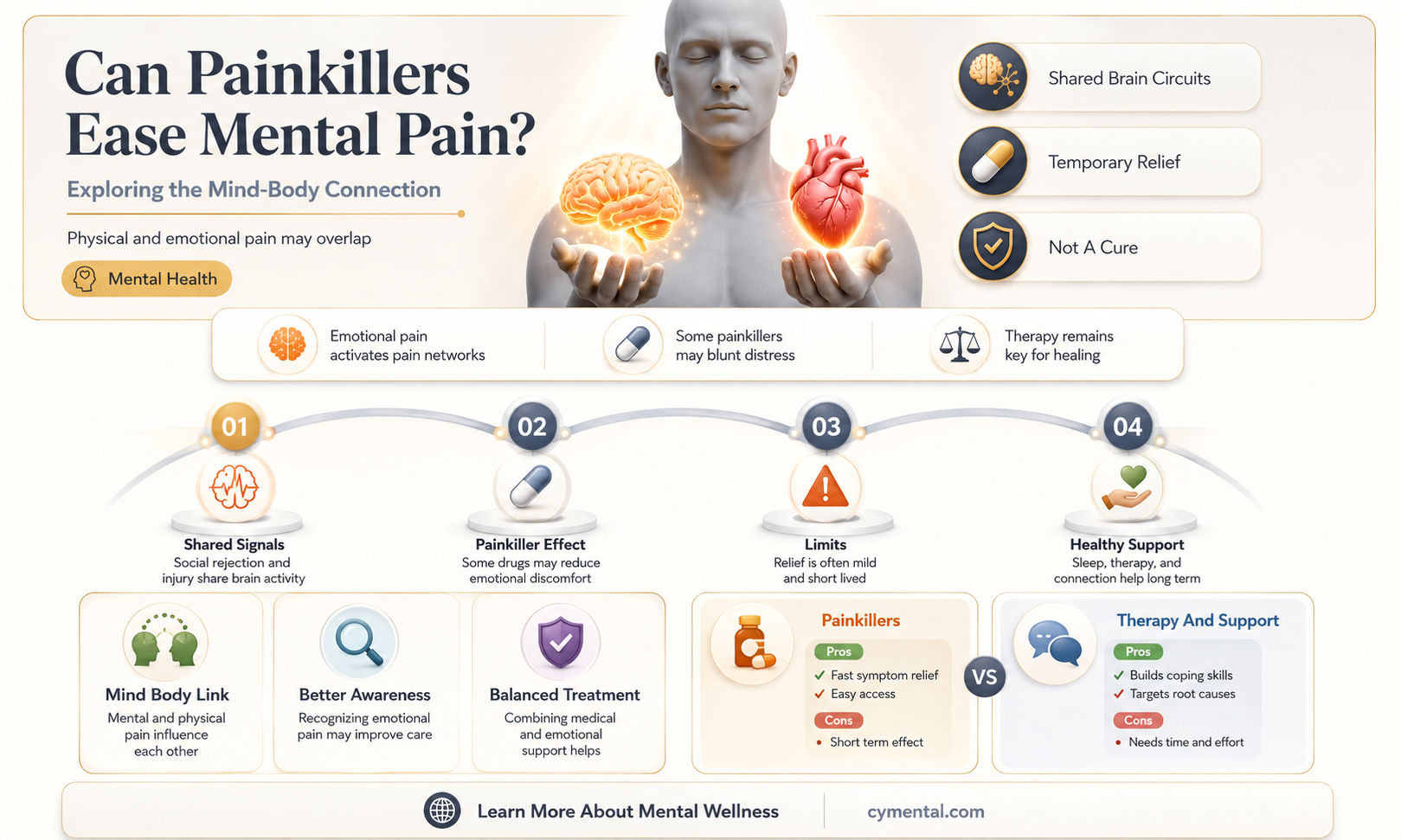
Painkillers, primarily designed to alleviate physical discomfort, are often considered for their potential to ease mental pain, such as emotional distress or psychological suffering. While these medications can temporarily numb physical sensations, their effectiveness in addressing mental pain remains highly debated. Mental pain, rooted in complex emotional and psychological factors, differs fundamentally from physical pain, and painkillers do not target the underlying causes of conditions like depression, anxiety, or grief. Although some individuals may experience temporary relief due to the drugs' sedative effects or placebo responses, reliance on painkillers for mental pain can lead to dependency, adverse side effects, and neglect of more sustainable treatments, such as therapy or mindfulness practices. Thus, while painkillers may offer fleeting respite, they are not a viable long-term solution for mental pain.
| Characteristics | Values |
|---|---|
| Effectiveness | Limited evidence suggests painkillers (opioids, NSAIDs) may temporarily alleviate symptoms of mental pain (e.g., emotional distress) but are not a long-term solution. |
| Mechanism | Painkillers primarily target physical pain receptors (e.g., mu-opioid receptors) and may indirectly affect mood by reducing physical discomfort, but they do not address underlying psychological causes. |
| Risks | High risk of dependence, addiction, and adverse side effects (e.g., respiratory depression, cognitive impairment) when used for mental pain. |
| Alternative Treatments | Psychotherapy, antidepressants, anti-anxiety medications, and mindfulness-based interventions are more effective and safer for managing mental pain. |
| Research Findings | Studies show opioids may worsen mental health outcomes (e.g., increased depression, anxiety) when used for non-physical pain. |
| Medical Guidelines | Painkillers are not recommended for primary treatment of mental pain; their use should be strictly monitored and limited to cases where physical pain coexists with mental distress. |
| Psychological Impact | Temporary relief may lead to emotional numbing or avoidance of addressing root causes of mental pain. |
| Long-Term Outcomes | Prolonged use for mental pain can exacerbate mental health issues and reduce overall quality of life. |
| Public Perception | Misconception that painkillers can "numb" emotional pain persists, despite lack of clinical support. |
| Ethical Considerations | Prescribing painkillers for mental pain raises ethical concerns due to potential harm and misuse. |
Explore related products


What You'll Learn

Effectiveness of Painkillers on Emotional Distress
Painkillers, primarily designed to alleviate physical discomfort, have been increasingly scrutinized for their potential role in mitigating emotional distress. While opioids like morphine and oxycodone act on the brain’s reward system to reduce pain perception, their impact on emotional pain is less straightforward. Studies suggest that these drugs can temporarily blunt negative emotions by increasing dopamine levels, creating a sense of euphoria. However, this effect is short-lived and often overshadowed by the risk of dependency, particularly in individuals without physical pain. For instance, a 2018 study in *The Journal of Pain* found that low-dose opioids (e.g., 5–10 mg of oxycodone) provided modest emotional relief in patients with chronic pain but had negligible effects on those experiencing purely emotional distress.
From an instructive perspective, it’s critical to differentiate between emotional distress and clinical mental health disorders. Painkillers are not a substitute for evidence-based treatments like therapy or antidepressants. For example, selective serotonin reuptake inhibitors (SSRIs) target the root causes of emotional pain by regulating neurotransmitters, whereas opioids merely mask symptoms. If considering painkillers for emotional distress, start with the lowest effective dose (e.g., 2.5 mg of hydrocodone) under strict medical supervision. Monitor for side effects such as drowsiness or mood swings, and discontinue use if dependency signs emerge, such as craving or tolerance.
A comparative analysis reveals that non-opioid painkillers, like acetaminophen or ibuprofen, have minimal to no effect on emotional distress. These medications primarily target peripheral pain pathways and lack the central nervous system interaction necessary to influence mood. In contrast, newer research explores the role of anti-inflammatory drugs in reducing symptoms of depression, as inflammation is linked to emotional pain. For instance, a 2020 study in *JAMA Psychiatry* found that celecoxib (200 mg/day) improved depressive symptoms in patients with high inflammatory markers, offering a potential alternative to traditional painkillers.
Persuasively, the risks of using painkillers for emotional distress often outweigh the benefits. Opioids can exacerbate mental health issues by increasing anxiety or triggering depressive episodes during withdrawal. Moreover, their misuse is a leading cause of overdose deaths, with the CDC reporting over 70,000 opioid-related fatalities in 2021. Instead, prioritize holistic approaches such as mindfulness, exercise, or cognitive-behavioral therapy, which address emotional pain without the risk of addiction. If medication is necessary, consult a psychiatrist for targeted treatments rather than relying on painkillers as a quick fix.
Descriptively, the experience of using painkillers for emotional distress varies widely. Some individuals report a temporary sense of calm or detachment, akin to emotional numbness, while others feel no relief at all. For example, a 35-year-old patient with situational anxiety described a 10 mg dose of hydrocodone as “muting the noise in my head,” but also noted feeling disconnected from loved ones. This emotional blunting highlights the drug’s inability to resolve underlying issues, serving as a Band-Aid rather than a cure. Practical advice includes avoiding self-medication, tracking mood changes, and seeking professional guidance to explore safer, more effective alternatives.
Finding Support: Where to Seek Help for Depression and Healing
You may want to see also
Explore related products





Risks of Using Painkillers for Mental Pain
Painkillers, designed to alleviate physical discomfort, are increasingly misused as a crutch for mental anguish. While they may offer temporary relief by dullting emotional intensity, this approach carries significant risks. The brain’s opioid receptors, targeted by painkillers, play a dual role in both physical pain and emotional regulation. Overstimulating these receptors with drugs like oxycodone or hydrocodone can disrupt natural emotional processing, leading to heightened anxiety or depression once the drug wears off. This creates a vicious cycle: the very painkillers meant to soothe mental distress end up exacerbating it.
Consider the case of a 28-year-old professional using ibuprofen 800mg daily to "numb" work-related stress. While NSAIDs like ibuprofen are less addictive than opioids, prolonged use at high doses can cause gastrointestinal bleeding and kidney damage. For mental pain, such physical risks are compounded by the drug’s ineffectiveness in addressing the root cause. Emotional suppression, rather than resolution, often leads to emotional outbursts or prolonged grief, as the brain’s natural coping mechanisms are bypassed.
Adolescents and young adults are particularly vulnerable. A study in *JAMA Pediatrics* found that 15-25-year-olds who misuse prescription opioids for emotional distress are three times more likely to develop substance use disorders. The developing brain’s reward system is more susceptible to addiction, and the misuse of painkillers during this critical period can alter neural pathways permanently. For instance, a teenager self-medicating with leftover post-surgical oxycodone may find themselves dependent within weeks, trading temporary emotional relief for long-term addiction.
Practical alternatives exist, yet they require patience and effort. Cognitive-behavioral therapy (CBT) teaches individuals to reframe distressing thoughts, while mindfulness practices encourage emotional acceptance rather than avoidance. For immediate relief, non-pharmacological methods like deep breathing exercises or progressive muscle relaxation can reduce emotional intensity without the risks of medication. For those already misusing painkillers, tapering under medical supervision is critical; abrupt cessation can trigger withdrawal symptoms, including rebound anxiety and insomnia.
In conclusion, while painkillers may seem like a quick fix for mental pain, their risks far outweigh the fleeting benefits. Physical harm, emotional rebound, and addiction potential make them a dangerous substitute for evidence-based mental health treatments. Addressing mental pain requires addressing its source, not merely silencing its symptoms.
Seeking Support: A Guide to Asking for Mental Health Assistance
You may want to see also
Explore related products


Alternatives to Painkillers for Mental Relief
While painkillers may offer temporary relief from physical discomfort, their efficacy in alleviating mental pain is questionable and often comes with significant risks. Mental pain, stemming from stress, anxiety, depression, or trauma, requires a nuanced approach that addresses the root cause rather than merely masking symptoms. Fortunately, numerous alternatives exist that can provide sustainable relief without the side effects associated with painkillers.
Mindfulness and Meditation: A Daily Practice for Emotional Resilience
Incorporating mindfulness and meditation into daily routines can significantly reduce mental distress. Studies show that just 10–20 minutes of mindfulness meditation per day can lower cortisol levels, the hormone associated with stress. Apps like Headspace or Calm offer guided sessions tailored to beginners, while advanced practitioners can explore techniques like loving-kindness meditation. Consistency is key—think of it as mental hygiene, as essential as brushing your teeth.
Physical Activity: The Natural Antidote to Emotional Weight
Exercise is a powerful tool for mental relief, releasing endorphins that counteract feelings of sadness or anxiety. Aim for at least 30 minutes of moderate activity, such as brisk walking, cycling, or yoga, three to five times a week. For those aged 18–65, the World Health Organization recommends 150 minutes of aerobic exercise weekly. Even small changes, like taking the stairs or stretching during work breaks, can make a difference.
Therapy and Counseling: Addressing the Root, Not Just the Symptom
Unlike painkillers, therapy tackles the underlying causes of mental pain. Cognitive Behavioral Therapy (CBT) is particularly effective for anxiety and depression, helping individuals reframe negative thought patterns. For trauma, Eye Movement Desensitization and Reprocessing (EMDR) has shown promising results. While therapy requires time and commitment, its long-term benefits far outweigh the temporary relief of medication.
Herbal Remedies and Supplements: Nature’s Pharmacy
Certain herbs and supplements can complement mental health strategies. For instance, 300–600 mg of St. John’s Wort daily may alleviate mild depression, though it’s crucial to consult a healthcare provider to avoid interactions with other medications. Magnesium (400 mg daily) and omega-3 fatty acids (1,000–2,000 mg daily) also support mood regulation. These natural options offer a gentler alternative to painkillers but should be used thoughtfully and under guidance.
Social Connection: The Overlooked Healer
Human connection is a potent remedy for mental pain. Engaging in meaningful conversations, joining support groups, or simply spending time with loved ones can provide comfort and perspective. Research highlights that social isolation exacerbates mental health issues, while regular social interaction fosters resilience. Make it a priority to nurture relationships, even if it’s just a 10-minute call or a weekly meetup.
By exploring these alternatives, individuals can address mental pain holistically, avoiding the pitfalls of reliance on painkillers. Each method offers unique benefits, and combining them can create a personalized toolkit for emotional well-being.
Nature's Healing Power: Can Outdoor Therapy Ease Mental Illness?
You may want to see also
Explore related products


Psychological Impact of Painkiller Dependency
Painkillers, particularly opioids, are often prescribed to alleviate physical pain, but their impact on mental pain is a double-edged sword. While they may provide temporary relief from emotional distress, their prolonged use can lead to dependency, exacerbating psychological issues rather than resolving them. This dependency creates a vicious cycle where the very substance meant to soothe becomes a source of deeper mental anguish.
Consider the case of a 35-year-old individual prescribed oxycodone for chronic back pain. Initially, the drug not only alleviates physical discomfort but also numbs the emotional pain associated with their condition. Over time, however, the body develops tolerance, requiring higher doses—say, from 10 mg to 40 mg daily—to achieve the same effect. This escalation often coincides with increased anxiety, mood swings, and a sense of isolation. The brain, now reliant on the drug, struggles to produce natural feel-good chemicals like dopamine, leading to depression when the medication wears off. The psychological takeaway here is clear: painkillers may mask mental pain temporarily, but dependency strips away emotional resilience, leaving individuals more vulnerable than before.
To break this cycle, a structured approach is essential. Step one involves tapering the dosage under medical supervision to minimize withdrawal symptoms, which can include severe anxiety and insomnia. For instance, reducing oxycodone intake by 10% every week allows the body to adjust gradually. Step two focuses on replacing the drug’s emotional crutch with healthier coping mechanisms, such as cognitive-behavioral therapy (CBT) or mindfulness practices. Caution must be taken to avoid substituting one dependency for another, such as turning to alcohol or other substances during this transition. The goal is not just to stop the medication but to rebuild psychological strength.
Comparatively, non-opioid alternatives like physical therapy, acupuncture, or anti-inflammatory medications often address physical pain without the risk of dependency. For mental pain, psychotherapy and social support networks prove far more sustainable. A 2020 study found that individuals combining therapy with non-opioid pain management reported a 40% reduction in both physical and emotional distress within six months, compared to a mere 15% reduction in those reliant on opioids. This highlights the importance of treating pain holistically rather than relying on a quick pharmacological fix.
Descriptively, the psychological landscape of someone dependent on painkillers is often marked by a sense of loss—loss of control, joy, and hope. Imagine a once vibrant individual now trapped in a fog of apathy, their days structured around the next dose. Their relationships suffer as they withdraw from social interactions, fearing judgment or unable to connect emotionally. This isolation compounds their mental pain, creating a feedback loop where the drug becomes both the problem and the perceived solution. Practical advice for loved ones includes encouraging open dialogue, offering non-judgmental support, and helping them access professional resources like addiction specialists or support groups.
In conclusion, while painkillers may offer fleeting relief from mental pain, their dependency inflicts profound psychological damage. By understanding the mechanisms of this cycle and adopting a multifaceted approach to recovery, individuals can reclaim their mental health and break free from the grip of dependency. The key lies in addressing both the physical and emotional roots of pain, fostering resilience rather than reliance.
Exploring 5-MeO-DMT's Potential for Mentally Ill Homeless Populations
You may want to see also
Explore related products


Scientific Studies on Painkillers and Mental Health
Painkillers, primarily designed to alleviate physical discomfort, have been increasingly scrutinized for their potential impact on mental health. Scientific studies reveal a complex relationship, with some painkillers showing promise in mitigating mental pain while others exacerbate symptoms. For instance, opioids, commonly prescribed for chronic pain, have been linked to heightened anxiety and depression in long-term users. Conversely, non-steroidal anti-inflammatory drugs (NSAIDs) like ibuprofen have shown potential in reducing symptoms of depression by modulating inflammatory pathways associated with mental distress.
One notable study published in *JAMA Psychiatry* investigated the effects of low-dose aspirin (81 mg daily) on depressive symptoms in older adults. Researchers found a 20% reduction in depression scores among participants, suggesting that anti-inflammatory agents may play a role in mental health management. However, the study also emphasized the importance of dosage precision, as higher doses did not yield similar benefits and increased the risk of gastrointestinal side effects. This highlights the delicate balance between therapeutic potential and adverse outcomes.
In contrast, opioids present a cautionary tale. A longitudinal study in *The Lancet* tracked opioid users over five years and found a 40% increase in depression and anxiety diagnoses compared to non-users. The mechanism appears twofold: opioids alter brain chemistry, reducing natural endorphin production, and their addictive properties often lead to psychological distress. Clinicians are now advised to limit opioid prescriptions to acute pain management, avoiding long-term use, especially in patients with pre-existing mental health conditions.
Emerging research also explores the role of acetaminophen (paracetamol) in emotional regulation. A study in *Psychological Science* demonstrated that a single 1,000 mg dose reduced participants’ sensitivity to social rejection, a proxy for emotional pain. While intriguing, the study’s authors caution against self-medication, as chronic acetaminophen use is associated with liver damage. Instead, they advocate for targeted interventions under medical supervision, particularly for individuals experiencing situational mental distress.
Practical takeaways from these studies include: first, prioritize non-opioid painkillers like NSAIDs or acetaminophen for conditions where mental health is a concern. Second, adhere strictly to recommended dosages—for example, 200–400 mg of ibuprofen every 4–6 hours for adults—to maximize benefits while minimizing risks. Finally, consult healthcare providers to tailor treatment plans, especially when managing both physical and mental pain concurrently. While painkillers may offer temporary relief for mental distress, their use must be informed, measured, and integrated into a holistic approach to mental health care.
Sex and Mental Health: Exploring the Surprising Benefits and Connections
You may want to see also
Frequently asked questions
Painkillers, particularly opioids, are designed to alleviate physical pain by interacting with the body's pain receptors. While they may temporarily reduce the physical symptoms associated with emotional distress (e.g., tension or headaches), they do not address the underlying causes of mental pain. In fact, misuse of painkillers can worsen mental health issues and lead to dependency.
Over-the-counter painkillers are not effective for treating mental pain or emotional distress. They target physical inflammation and pain, not the psychological or emotional aspects of suffering. Mental pain is best addressed through therapy, counseling, or other evidence-based mental health treatments.
Some medications, such as certain antidepressants or anti-anxiety drugs, can help manage both physical symptoms (e.g., chronic pain) and mental health conditions (e.g., depression or anxiety). However, these are prescribed by healthcare professionals and are not the same as traditional painkillers. It’s important to consult a doctor for appropriate treatment.