Caleb Wright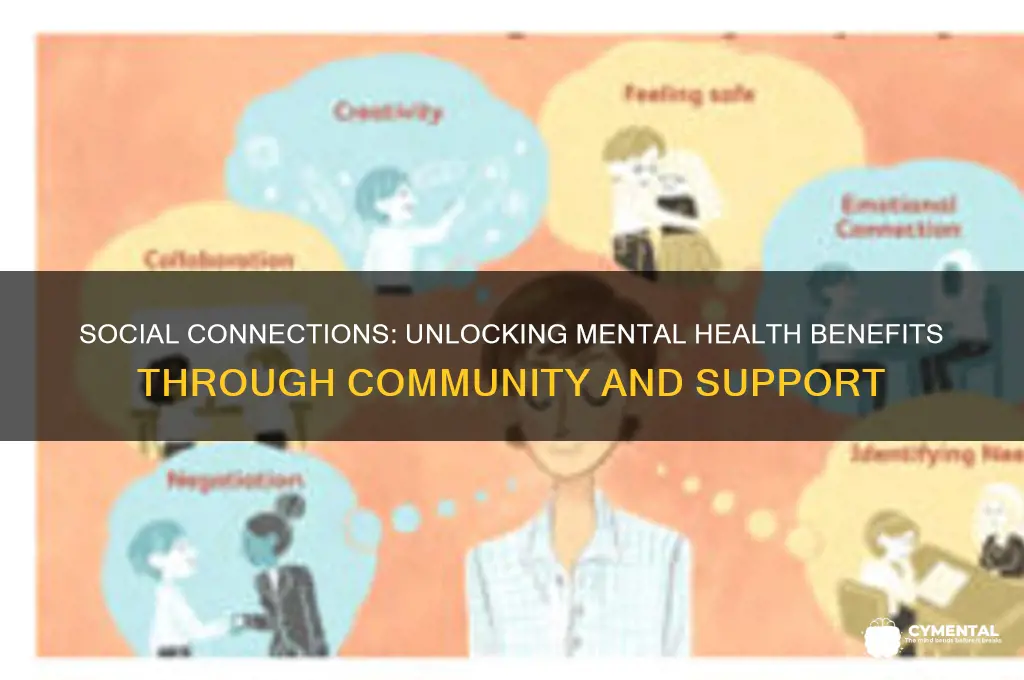
Social factors play a crucial role in shaping mental health by influencing an individual’s environment, relationships, and access to resources. Supportive social networks, such as family, friends, and community connections, provide emotional stability, reduce feelings of isolation, and foster a sense of belonging, all of which are vital for mental well-being. Socioeconomic conditions, including income, education, and employment, also significantly impact mental health, as financial security and opportunities for personal growth can alleviate stress and improve resilience. Additionally, cultural norms, societal attitudes toward mental health, and access to healthcare services determine how individuals seek and receive support. Addressing these social factors through policies, community initiatives, and inclusive practices can create a more supportive environment, ultimately promoting better mental health outcomes for individuals and society as a whole.
Explore related products


What You'll Learn
- Community Support Networks: Strong social connections provide emotional support, reducing feelings of isolation and improving mental well-being
- Socioeconomic Status Impact: Higher income and education levels correlate with better access to mental health resources
- Cultural Influences: Cultural norms and values shape perceptions of mental health, affecting help-seeking behaviors and stigma
- Social Inclusion: Inclusive environments foster belonging, lowering anxiety, depression, and other mental health issues
- Peer Relationships: Positive peer interactions enhance self-esteem, resilience, and coping mechanisms for mental health challenges

Community Support Networks: Strong social connections provide emotional support, reducing feelings of isolation and improving mental well-being
Human beings are inherently social creatures, and our mental health thrives when we foster meaningful connections with others. Community support networks act as a safety net, catching individuals before they fall into the depths of loneliness and despair. These networks, comprised of friends, family, neighbors, and even online communities, provide a sense of belonging and acceptance, which are fundamental to our emotional well-being.
Consider the elderly population, a demographic particularly vulnerable to social isolation. Studies show that seniors who actively participate in community centers or social clubs experience lower rates of depression and anxiety. These spaces offer opportunities for shared activities, intergenerational interactions, and emotional support, combating the loneliness that often accompanies aging. For instance, a weekly knitting circle not only provides a creative outlet but also fosters a sense of camaraderie and purpose, reminding participants that they are valued members of a community.
Building and maintaining these support networks requires intentional effort. It's about cultivating relationships, not just accumulating acquaintances. This involves reaching out, initiating conversations, and actively listening. For those struggling with social anxiety, starting small is key. Joining a book club or volunteering for a local cause can provide structured social interactions, gradually building confidence and a sense of connection. Online communities, while virtual, can also offer valuable support, especially for those with specific interests or conditions, connecting individuals who might otherwise feel isolated.
The impact of these networks extends beyond emotional comfort. They can provide practical assistance during times of crisis, such as helping with childcare, offering a ride to medical appointments, or simply running errands for someone who is unwell. This tangible support alleviates stress and demonstrates the power of community in action. Moreover, witnessing the resilience of others within the network can inspire hope and motivate individuals to seek help when needed, breaking the stigma surrounding mental health issues.
In essence, community support networks are not just about having people around; they are about creating a web of connections that nurture and sustain us. By fostering these relationships, we invest in our mental well-being, ensuring that we have a safety net to fall back on during life's challenges. It is through these connections that we find strength, comfort, and a sense of belonging, reminding us that we are not alone in our struggles.
Vegan Diet and Mental Health: Unlocking Cognitive Benefits and Emotional Well-being
You may want to see also
Explore related products





Socioeconomic Status Impact: Higher income and education levels correlate with better access to mental health resources
Socioeconomic status significantly shapes mental health outcomes, with higher income and education levels often acting as gateways to better resources. Individuals in higher socioeconomic brackets typically have greater financial flexibility to afford therapy, medication, and wellness programs, which are essential for managing mental health conditions. For instance, a study published in *The Lancet* found that individuals earning above $75,000 annually were 50% more likely to access consistent mental health care compared to those earning below $30,000. This disparity highlights how financial stability directly influences the ability to prioritize mental well-being.
Education plays an equally critical role by fostering awareness and reducing stigma around mental health. Higher education levels correlate with a better understanding of mental health issues, enabling individuals to recognize symptoms early and seek help proactively. For example, college graduates are twice as likely to identify anxiety or depression in themselves or others compared to those with a high school diploma or less. Educational institutions also often provide mental health resources, such as counseling services, which are more accessible to students than to the general population. This combination of knowledge and access empowers individuals to take control of their mental health.
However, the interplay between socioeconomic status and mental health is not without challenges. While higher income and education open doors to resources, they do not guarantee mental well-being. Stressors such as high-pressure careers or academic demands can exacerbate mental health issues, even among those with ample resources. For instance, executives earning six-figure salaries report burnout rates of up to 60%, despite having access to top-tier healthcare. This paradox underscores the need for a holistic approach that addresses both access and the unique pressures faced by higher-income individuals.
Practical steps can mitigate these disparities. Employers can offer mental health benefits, such as subsidized therapy sessions or wellness programs, to ensure employees at all income levels have access to care. Educational institutions can integrate mental health literacy into curricula, starting as early as middle school, to equip students with the tools to navigate challenges. Policymakers can also play a role by expanding public mental health services and reducing out-of-pocket costs for low-income individuals. By addressing these systemic barriers, society can move closer to equitable mental health care.
In conclusion, while higher socioeconomic status provides a clear advantage in accessing mental health resources, it is not a panacea. Understanding this dynamic allows for targeted interventions that bridge the gap for lower-income and less-educated populations. By combining awareness, accessibility, and support, we can create a mental health landscape that serves everyone, regardless of their socioeconomic standing.
Benzodiazepines and Mental Health: Effective Treatment or Risky Solution?
You may want to see also
Explore related products

$51 $41.99


$7.97 $18.99


Cultural Influences: Cultural norms and values shape perceptions of mental health, affecting help-seeking behaviors and stigma
Cultural norms and values act as silent architects of our mental health landscape, molding how we perceive, discuss, and address psychological struggles. In collectivist cultures, where family and community cohesion are paramount, mental health issues may be viewed as a private shame, a deviation from the group’s harmony. For instance, in some Asian societies, expressing emotional distress openly is often discouraged, as it risks bringing dishonor to the family. This cultural expectation can deter individuals from seeking professional help, instead fostering a reliance on internal coping mechanisms or familial support, which may or may not be adequate. Conversely, individualistic cultures, prevalent in Western societies, often emphasize personal autonomy and self-reliance. While this can encourage help-seeking behaviors, it may also lead to isolation, as individuals feel they should manage their mental health independently, without burdening others.
Consider the role of language in shaping cultural perceptions. In some Indigenous communities, mental health struggles are framed not as individual defects but as imbalances in spiritual or communal connections. Healing practices often involve rituals, storytelling, or reconnection with nature, rather than clinical interventions. This holistic approach can reduce stigma by normalizing mental health as part of the human experience, intertwined with cultural identity. However, when these communities interact with Western healthcare systems, their unique perspectives may be overlooked, leading to misdiagnosis or ineffective treatment. For practitioners and policymakers, understanding these linguistic and conceptual differences is crucial. Incorporating culturally sensitive language and practices into mental health services can bridge gaps and foster trust, ensuring care is both accessible and respectful.
Stigma, a pervasive barrier to mental health care, is deeply rooted in cultural narratives. In many African cultures, mental illness is often attributed to supernatural causes, such as curses or ancestral displeasure. While this belief system can provide a sense of explanation, it can also intensify stigma, as individuals may be ostracized or subjected to harmful traditional practices. Addressing this requires a dual approach: educating communities about the biological and psychological underpinnings of mental health while validating their cultural beliefs. For example, integrating mental health education into existing cultural frameworks—such as community gatherings or religious ceremonies—can make the information more relatable and less threatening. Practical steps include training local leaders as mental health advocates and developing culturally tailored educational materials.
Finally, cultural influences on mental health are not static; they evolve with globalization, migration, and generational shifts. Second-generation immigrants often navigate a dual reality, balancing the cultural values of their heritage with the norms of their adopted country. This can create unique mental health challenges, such as identity confusion or intergenerational conflict. For instance, a young person from a conservative cultural background may struggle to reconcile their family’s expectations with their desire to seek therapy. Mental health professionals can support these individuals by adopting a bicultural lens, acknowledging both their cultural roots and their lived experiences in a new societal context. Encouraging open dialogue within families and providing resources in multiple languages are practical steps to facilitate this process. Ultimately, recognizing and respecting cultural influences is not just a matter of sensitivity—it’s a critical component of effective mental health care.
Mental Health Courts: Reducing Recidivism Through Supportive Justice Approaches
You may want to see also
Explore related products


Social Inclusion: Inclusive environments foster belonging, lowering anxiety, depression, and other mental health issues
Social inclusion is a powerful antidote to the isolation that often exacerbates mental health struggles. When individuals feel accepted and valued within their communities, the sense of belonging acts as a protective buffer against anxiety, depression, and other mental health challenges. Research consistently shows that inclusive environments—whether in schools, workplaces, or neighborhoods—reduce stress hormones like cortisol and increase oxytocin, the "bonding hormone," which promotes feelings of trust and security. For example, a study published in the *Journal of Community Psychology* found that adolescents in inclusive school settings reported 30% lower levels of depressive symptoms compared to those in less inclusive environments.
Creating inclusive spaces isn’t just about avoiding exclusion; it’s about actively fostering connections. Practical steps include implementing policies that encourage diversity, providing platforms for marginalized voices, and designing physical spaces that accommodate all abilities. For instance, workplaces can introduce flexible work hours to support employees with caregiving responsibilities or mental health needs, while schools can adopt buddy systems to pair new or struggling students with peers. These measures not only reduce stigma but also build a culture where everyone feels seen and supported.
A cautionary note: inclusivity must be genuine, not performative. Token gestures, like superficial diversity initiatives, can backfire, leaving individuals feeling more isolated than before. True inclusion requires ongoing effort, empathy, and a willingness to address systemic barriers. For example, a workplace that claims to be inclusive but fails to provide mental health resources or address microaggressions will likely see employees disengage, negating any potential benefits.
The takeaway is clear: inclusive environments are not just nice-to-haves—they are essential for mental well-being. By prioritizing belonging, we can create spaces where individuals thrive, not just survive. Start small: listen actively, challenge biases, and advocate for policies that uplift everyone. Over time, these efforts compound, transforming communities into havens of support and resilience.
Counseling for Mental Health: Effective Support or Overrated Solution?
You may want to see also
Explore related products


$8.99 $16.99


Peer Relationships: Positive peer interactions enhance self-esteem, resilience, and coping mechanisms for mental health challenges
Positive peer relationships act as a cornerstone for mental well-being, particularly during adolescence and young adulthood when social connections are intensely formative. Research shows that individuals with supportive peer groups report higher levels of self-esteem, a critical factor in mental resilience. For instance, a study published in the *Journal of Youth and Adolescence* found that teens who experienced consistent peer validation were 40% less likely to develop symptoms of depression over a two-year period. This validation often comes from shared experiences, mutual encouragement, and the sense of belonging that peer groups provide. When peers acknowledge each other’s strengths and achievements, it reinforces self-worth, creating a buffer against self-doubt and external pressures.
To cultivate these benefits, intentional strategies can be employed. Encourage adolescents to engage in group activities that foster collaboration rather than competition, such as team sports, community service, or creative projects. For example, a weekly book club or gaming group can provide structured opportunities for positive interaction. Parents and educators should also model healthy communication by resolving conflicts constructively and celebrating group successes. For younger children (ages 8–12), role-playing scenarios that involve sharing, listening, and empathy can lay the groundwork for stronger peer bonds later on. The key is consistency—aim for at least 2–3 hours of meaningful peer interaction per week, balanced with individual and family time.
Contrastingly, the absence of positive peer relationships can exacerbate mental health challenges. Social isolation or negative peer dynamics, such as bullying or exclusion, have been linked to increased anxiety, low self-esteem, and even suicidal ideation. A comparative analysis of high school students revealed that those with fewer than two close friends were twice as likely to report chronic stress. This highlights the importance of early intervention: schools and communities should implement peer support programs, such as mentorship schemes or anti-bullying campaigns, to mitigate these risks. For teens struggling with social anxiety, gradual exposure to group settings, paired with cognitive-behavioral techniques, can help build confidence and coping skills.
Finally, the role of digital peer interactions cannot be overlooked in today’s interconnected world. While online relationships can complement in-person connections, they should not replace them. A study from *Computers in Human Behavior* found that face-to-face interactions were significantly more effective in boosting mood and reducing loneliness than virtual exchanges. However, for individuals with limited access to physical peer groups, moderated online communities can provide a lifeline. Platforms like 7 Cups or moderated Discord servers offer safe spaces for teens to connect and share experiences. The takeaway? Balance digital and real-world interactions, ensuring that virtual relationships enhance, rather than dominate, the social landscape. By prioritizing quality peer connections, individuals can build a robust foundation for mental health that endures across life stages.
Daily Exercise: A Powerful Tool to Prevent Mental Illness?
You may want to see also
Frequently asked questions
Social support provides emotional, practical, and informational assistance, reducing stress and promoting resilience. Strong social connections help individuals feel valued, understood, and less isolated, which can mitigate symptoms of anxiety and depression.
Yes, socioeconomic status significantly affects mental health. Factors like income, education, and employment influence access to resources, healthcare, and opportunities, which can either protect against or exacerbate mental health issues.
Social inclusion fosters a sense of belonging and self-worth, positively impacting mental health. Conversely, social exclusion or marginalization can lead to feelings of loneliness, low self-esteem, and increased risk of mental health disorders.
Community engagement provides a sense of purpose, social connection, and support networks. Participating in community activities can reduce stress, enhance coping skills, and create a buffer against mental health challenges.