Lucas Bennett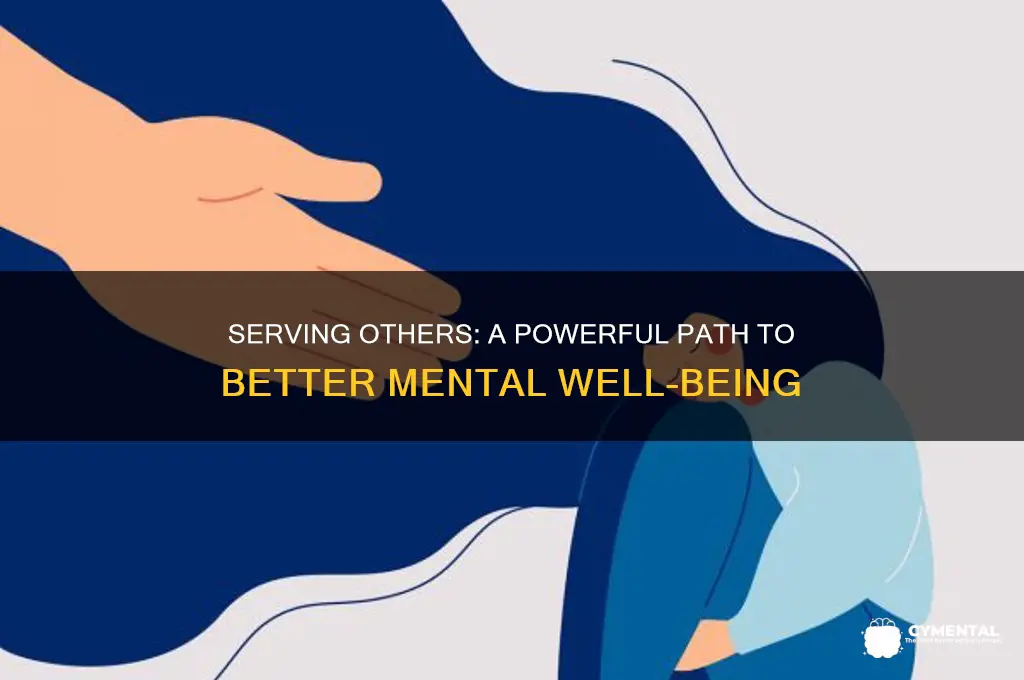
Engaging in community involvement and service activities has been shown to significantly enhance mental health by fostering a sense of purpose, connection, and fulfillment. Volunteering or participating in meaningful projects not only distracts individuals from personal stressors but also promotes social interaction, reducing feelings of loneliness and isolation. Acts of service release endorphins and oxytocin, often referred to as helper’s high, which can alleviate symptoms of anxiety and depression. Additionally, contributing to the well-being of others cultivates gratitude and perspective, shifting focus away from one’s own challenges. The structure and routine of service work can also provide stability, while the sense of accomplishment boosts self-esteem and resilience, ultimately creating a positive cycle of mental well-being.
| Characteristics | Values |
|---|---|
| Social Connection | Reduces loneliness and isolation by fostering meaningful relationships. |
| Sense of Purpose | Provides a feeling of accomplishment and direction in life. |
| Stress Reduction | Engaging in service activities lowers cortisol levels and alleviates stress. |
| Increased Self-Esteem | Boosts confidence and self-worth through contributing to others. |
| Cognitive Stimulation | Enhances brain function and reduces cognitive decline through active participation. |
| Physical Activity | Many service activities involve movement, improving overall health. |
| Emotional Regulation | Helps manage emotions by focusing on others' needs. |
| Skill Development | Builds new skills and competencies, fostering personal growth. |
| Community Support | Creates a network of support and resources for mental well-being. |
| Reduced Symptoms of Depression/Anxiety | Studies show service involvement correlates with lower mental health disorder symptoms. |
| Mindfulness and Presence | Encourages being present in the moment, reducing rumination. |
| Cultural Awareness | Broadens perspective and reduces stigma around mental health. |
| Long-Term Mental Resilience | Builds coping mechanisms and resilience against future stressors. |
| Structured Routine | Provides consistency, which is beneficial for mental health stability. |
| Positive Feedback Loop | Receiving gratitude and recognition reinforces positive behavior. |
Explore related products


What You'll Learn
- Social Connection: Reduces loneliness, fosters belonging, and builds supportive networks through shared activities and community engagement
- Purpose & Meaning: Provides a sense of accomplishment, direction, and value through contributing to others or causes
- Stress Reduction: Focuses energy outward, decreases self-focus, and promotes relaxation through helping others
- Skill Development: Boosts confidence, self-esteem, and resilience by learning new skills and overcoming challenges
- Perspective Shift: Encourages gratitude, empathy, and a broader outlook by engaging with diverse experiences

Social Connection: Reduces loneliness, fosters belonging, and builds supportive networks through shared activities and community engagement
Loneliness isn't just a feeling; it's a public health crisis. Studies show chronic loneliness can increase the risk of depression, anxiety, and even physical ailments like heart disease. Enter social connection, the antidote. Engaging in shared activities, whether volunteering at a local shelter, joining a book club, or participating in community clean-up days, directly combats loneliness by providing face-to-face interaction and a sense of shared purpose.
Consider the example of a senior citizen center offering weekly bingo nights. Beyond the thrill of shouting "Bingo!", these gatherings provide a structured social outlet, fostering friendships and a sense of belonging within a community of peers. This sense of belonging is crucial for mental well-being, particularly for populations vulnerable to isolation, such as the elderly or those with limited mobility.
Sharing a laugh over a missed number or celebrating a win together creates bonds that extend beyond the bingo hall, building a network of support that can be leaned on during difficult times.
Building these supportive networks doesn't happen overnight. It requires consistent engagement and a willingness to step outside your comfort zone. Start small: attend a local community event, join a hobby group, or simply strike up a conversation with a neighbor. Remember, quality trumps quantity. Deep, meaningful connections formed through shared interests and values are more beneficial than superficial interactions. Think of it as tending a garden – regular watering and care are needed for friendships to blossom.
For those struggling with social anxiety, start with low-pressure activities like walking groups or online forums centered around shared interests. Gradually increase the level of interaction as comfort grows.
The mental health benefits of social connection are undeniable. Studies have shown that individuals with strong social networks experience lower levels of stress, improved mood, and increased resilience to adversity. By actively seeking out opportunities for social connection, we invest in our mental well-being, creating a safety net of support and a sense of belonging that enriches our lives.
Recognizing Signs Your Child May Need Mental Health Support
You may want to see also
Explore related products


Purpose & Meaning: Provides a sense of accomplishment, direction, and value through contributing to others or causes
Engaging in activities that serve others or contribute to a greater cause can profoundly reshape one’s mental health by anchoring the individual in a sense of purpose. Research shows that volunteering just two hours per week—a manageable commitment for most—correlates with reduced symptoms of depression and anxiety. This isn’t merely about altruism; it’s about the intrinsic reward of feeling needed and effective. For instance, a study published in *Health Psychology* found that older adults who volunteered regularly reported higher levels of life satisfaction and lower mortality rates compared to non-volunteers. The act of giving time or effort shifts focus away from personal stressors, fostering a mindset of contribution rather than consumption.
Consider the structure of purpose-driven activities as a mental health tool. Start by identifying a cause that aligns with personal values—whether it’s environmental conservation, education, or community support. Break the commitment into actionable steps: sign up for a monthly beach clean-up, tutor a student once a week, or join a local food bank’s sorting team. Consistency is key; irregular involvement may yield fleeting benefits, while sustained effort builds a lasting sense of direction. For younger adults (ages 18–30), group-based service projects can double as social opportunities, combating isolation while fostering a shared sense of accomplishment.
A cautionary note: purpose derived from service should complement, not replace, self-care. Overcommitting can lead to burnout, negating the mental health benefits. Set boundaries by assessing available time and energy before taking on new responsibilities. For example, if work demands are high, opt for micro-volunteering—small, one-off tasks like writing letters to seniors or participating in online advocacy campaigns. The goal is to enhance well-being, not add stress. Tracking progress, such as keeping a journal of contributions and their impact, can amplify the sense of value derived from these efforts.
Comparatively, purpose found in service differs from that derived from career or personal goals. While professional achievements often tie to external validation (promotions, salaries), service-based purpose is rooted in intrinsic rewards—seeing tangible improvements in others’ lives or the community. This distinction makes it a particularly powerful buffer against existential anxiety or feelings of aimlessness. For instance, a teacher who volunteers at a homeless shelter may find renewed appreciation for their day job’s stability while gaining perspective on broader societal challenges.
In practice, integrating service into daily life requires intentionality. Begin with self-reflection: What issues resonate deeply? What skills can be shared? For retirees, mentoring programs leverage decades of experience, providing both mentees and mentors with a sense of value. For students, organizing peer support groups addresses academic stress while fostering leadership skills. The takeaway is clear: purpose isn’t found—it’s created, often in the act of stepping outside oneself to uplift others. By doing so, individuals not only improve their mental health but also weave themselves into the fabric of a larger, meaningful narrative.
Nurturing Your Mind: Practical Steps to Enhance Mental Well-Being
You may want to see also
Explore related products


Stress Reduction: Focuses energy outward, decreases self-focus, and promotes relaxation through helping others
Engaging in acts of service shifts your focus from internal stressors to external contributions, a mental pivot that can significantly reduce anxiety and promote relaxation. When you concentrate on helping others—whether through volunteering, supporting a friend, or community work—your mind temporarily sidelines personal worries. This outward redirection of energy acts as a cognitive break, allowing your brain to disengage from stress loops. Research suggests that even small acts of kindness, such as helping a neighbor with groceries or listening to a colleague, can trigger this effect. The key lies in the immediacy of the action: the more absorbed you are in the task, the greater the stress relief.
Consider the physiological response: when you focus on others, your body often enters a calmer state. Studies show that altruistic behavior activates the parasympathetic nervous system, which counteracts the fight-or-flight response associated with stress. For instance, volunteering for just two hours per week has been linked to lower cortisol levels, the hormone responsible for stress. This isn’t about grand gestures; consistency matters more than scale. A daily 10-minute check-in with a friend or weekly participation in a local initiative can yield measurable benefits. The act itself becomes a form of mindfulness, grounding you in the present moment and reducing mental clutter.
However, it’s crucial to approach service with intention rather than obligation. Forced or resentful helping can backfire, increasing stress instead of alleviating it. The goal is to find activities that align with your interests and values, ensuring the experience feels rewarding rather than burdensome. For example, if you enjoy animals, volunteering at a shelter might be more relaxing than organizing a large event. Age and energy levels also play a role: younger individuals may thrive in high-energy group activities, while older adults might prefer quieter, one-on-one interactions. Tailor your involvement to your capacity for maximum benefit.
A comparative analysis reveals that service-oriented stress reduction differs from traditional relaxation methods like meditation or exercise. While those practices focus on internal regulation, helping others provides a dual benefit: personal calmness paired with a sense of purpose. This combination can be particularly effective for individuals who struggle with self-focus or rumination. For instance, someone battling anxiety might find that teaching a skill to others not only distracts from their worries but also boosts self-esteem through the act of giving. The takeaway is clear: by turning your energy outward, you not only escape stress but also cultivate a more resilient mindset.
Practical implementation requires minimal effort but yields substantial returns. Start small: commit to one act of service per day, such as offering a compliment or sharing knowledge. Gradually expand to structured activities like joining a community project or mentoring someone. Track your stress levels before and after these engagements to observe patterns. For families or groups, collaborative service—such as organizing a neighborhood clean-up—can strengthen bonds while collectively reducing stress. Remember, the goal isn’t to eliminate stress entirely but to manage it healthily. By making service a habit, you create a sustainable mechanism for relaxation and mental clarity.
Boost Your Mind: The Powerful Link Between Body and Mental Health
You may want to see also
Explore related products


Skill Development: Boosts confidence, self-esteem, and resilience by learning new skills and overcoming challenges
Engaging in activities that foster skill development is a powerful tool for enhancing mental well-being, particularly in building confidence, self-esteem, and resilience. When individuals learn new skills, they challenge their perceived limitations, which can lead to a profound sense of accomplishment. For instance, a study published in the *Journal of Occupational and Organizational Psychology* found that employees who participated in skill-building workshops reported a 25% increase in self-efficacy, a key component of self-esteem. This effect is not limited to professional settings; hobbies like painting, coding, or even gardening can yield similar results. The act of mastering something new rewires the brain to embrace challenges rather than fear them, creating a positive feedback loop that reinforces mental resilience.
Consider the process of learning a musical instrument, a skill that requires patience, discipline, and persistence. Initially, the struggle to produce a coherent melody can be frustrating, but each small victory—hitting the right note, playing a simple tune—builds confidence. Over time, this cumulative progress translates into a stronger belief in one’s ability to tackle other areas of life. For adolescents, research from the *American Psychological Association* suggests that skill development in extracurricular activities correlates with lower anxiety levels and higher self-worth. Even adults can benefit; a 2020 survey by *LinkedIn Learning* revealed that 68% of professionals felt more confident after acquiring a new skill, regardless of its direct relevance to their job.
However, the path to skill development is not without its pitfalls. Overambition can lead to burnout, while underestimating the learning curve can result in frustration. To maximize mental health benefits, start small and set realistic goals. For example, if you’re learning a language, aim for 15 minutes of practice daily rather than an overwhelming two-hour session. Celebrate incremental progress, and reframe failures as opportunities to learn. Pairing skill development with social engagement, such as joining a class or online community, can amplify its impact by providing support and accountability.
The comparative advantage of skill development lies in its dual nature: it is both a means and an end. Unlike passive activities like scrolling through social media, which may provide temporary distraction but little long-term benefit, skill-building actively reshapes one’s self-perception. It is also adaptable to individual interests and lifestyles. For someone with a busy schedule, micro-learning platforms like Duolingo or Coursera offer bite-sized lessons that fit into short breaks. For those seeking deeper immersion, structured programs or mentorship can provide a more rigorous framework. The key is consistency and intentionality, as the mental health benefits compound over time.
In conclusion, skill development is a dynamic and accessible strategy for improving mental health. By fostering confidence, self-esteem, and resilience, it equips individuals with the tools to navigate life’s challenges more effectively. Whether through professional training, creative pursuits, or practical hobbies, the act of learning and overcoming obstacles creates a sense of purpose and achievement. Start today—choose a skill that intrigues you, set a manageable goal, and watch as your mental well-being flourishes alongside your newfound abilities.
Altruism's Impact: How Helping Others Boosts Your Mental Well-Being
You may want to see also
Explore related products

$37.23 $51.99


Perspective Shift: Encourages gratitude, empathy, and a broader outlook by engaging with diverse experiences
Engaging in service and community involvement often places individuals in environments vastly different from their own, challenging preconceived notions and fostering a shift in perspective. For instance, volunteering at a homeless shelter exposes people to the daily struggles of those without stable housing, which can dismantle stereotypes and cultivate empathy. This direct experience with diverse realities encourages a deeper understanding of societal challenges, moving beyond abstract awareness to tangible, emotional connection. Such interactions not only broaden one’s worldview but also highlight the privileges often taken for granted, naturally fostering gratitude.
To maximize this perspective shift, consider structured activities that pair personal reflection with service. For example, after volunteering at a food bank, spend 10–15 minutes journaling about the experience. Reflect on specific moments that stood out, how they challenged your assumptions, and what you learned about the resilience of others. Research suggests that combining action with introspection amplifies the mental health benefits, particularly in reducing symptoms of anxiety and depression. For younger individuals (ages 18–25), group discussions post-service can enhance empathy by sharing diverse interpretations of the same experience.
A comparative analysis reveals that individuals who engage in service across different demographics report higher levels of gratitude and reduced self-centeredness. For instance, a study published in the *Journal of Happiness Studies* found that volunteers who worked with populations unlike their own experienced a 25% increase in gratitude scores compared to those who served within their own communities. This data underscores the importance of diversity in service experiences. To apply this, seek opportunities that push you outside your comfort zone—whether it’s tutoring in a low-income school, mentoring refugees, or participating in cultural exchange programs.
Practical tips for fostering perspective shift include setting intentional goals before each service activity. For example, before volunteering at an animal rescue, commit to observing one specific behavior or challenge faced by the staff or animals. Afterward, analyze how this observation contrasts with your daily life and what it teaches you about resilience or resourcefulness. For families, involve children by asking open-ended questions like, “What surprised you today?” or “How do you think this person’s experience is different from ours?” This approach not only deepens empathy but also makes the experience more meaningful for all age groups.
Finally, caution against superficial engagement, where service becomes a checkbox rather than a transformative experience. To avoid this, commit to long-term or recurring involvement rather than one-off events. For instance, mentoring a student for a school year provides deeper insights into their challenges and triumphs than a single day of tutoring. Additionally, diversify your service portfolio to avoid developing a narrow perspective. By intentionally seeking out varied experiences—environmental conservation, elder care, or disaster relief—you ensure a multifaceted outlook that enriches both your mental health and your understanding of the world.
Acupuncture and Mental Health: A Natural Path to Wellness?
You may want to see also
Frequently asked questions
Engaging in volunteer work and community service provides a sense of purpose and belonging, which are crucial for mental well-being. Helping others releases endorphins, reduces stress, and fosters social connections, all of which combat feelings of loneliness and depression.
Yes, group activities promote social interaction, reduce isolation, and provide emotional support. Being part of a team or community encourages a sense of belonging, boosts self-esteem, and offers opportunities to share experiences, which can alleviate symptoms of anxiety and depression.
Helping others shifts focus away from personal stressors, providing a mental break from anxiety. Acts of kindness stimulate the release of oxytocin, a hormone that reduces stress and promotes feelings of calmness and happiness, while also fostering a sense of accomplishment.
Consistent participation in service activities builds resilience, enhances self-worth, and creates a supportive social network. Over time, these factors contribute to improved emotional stability, reduced risk of mental health disorders, and a greater ability to cope with life’s challenges.