Lucas Bennett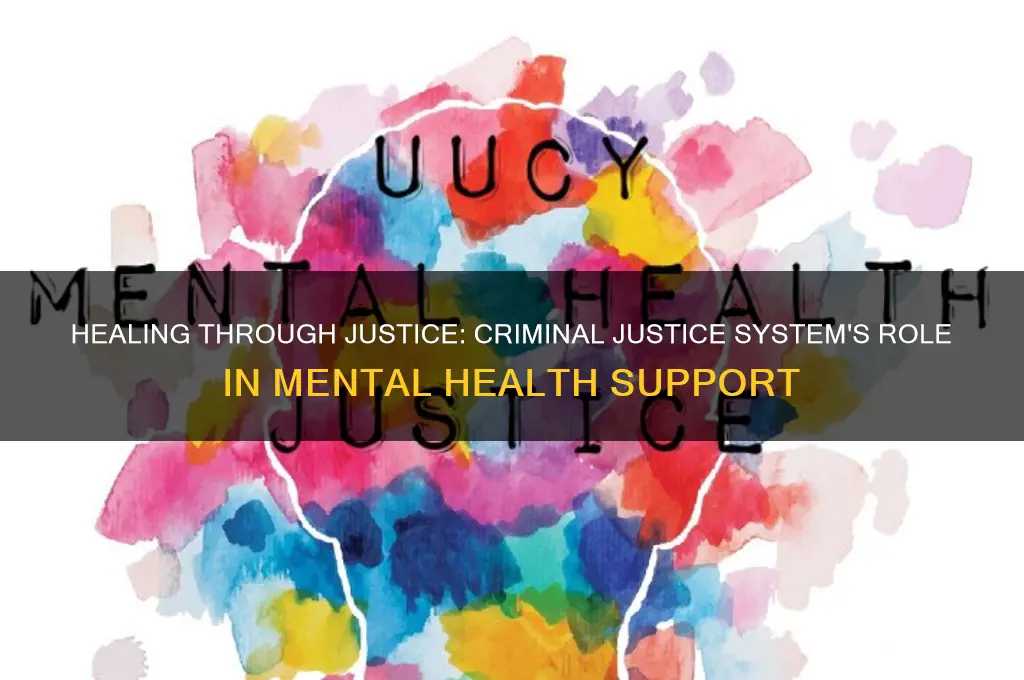
The criminal justice system plays a critical role in addressing mental illness, as a significant portion of individuals involved in the system struggle with mental health issues. By integrating mental health services, such as screening, assessment, and treatment, the system can divert those with mental illnesses from incarceration to appropriate care, reducing recidivism and improving outcomes. Collaborative efforts between law enforcement, courts, and mental health providers, such as crisis intervention teams and mental health courts, offer alternatives to traditional prosecution, focusing on rehabilitation rather than punishment. Additionally, providing training for criminal justice professionals to recognize and respond effectively to mental health crises can foster empathy and reduce stigmatization. Ultimately, a compassionate and informed approach within the criminal justice system can not only alleviate the burden on individuals with mental illness but also enhance public safety and promote long-term recovery.
| Characteristics | Values |
|---|---|
| Early Identification | Screening and assessment tools to identify mental illness at arrest or intake. |
| Diversion Programs | Pre-trial diversion to mental health treatment instead of incarceration. |
| Specialized Courts | Mental health courts offering treatment plans and supervision. |
| Access to Treatment | In-prison or jail-based mental health services, including therapy and medication. |
| Crisis Intervention Teams (CIT) | Trained law enforcement officers to de-escalate situations involving individuals with mental illness. |
| Reentry Support | Transitional programs to help individuals with mental illness reintegrate into society post-release. |
| Reduced Sentencing | Alternative sentencing options for offenders with mental illness, such as probation or community service. |
| Training for Staff | Education for corrections officers and judicial staff on mental health issues. |
| Collaboration with Healthcare Providers | Partnerships with mental health professionals to ensure continuity of care. |
| Data Collection and Monitoring | Tracking outcomes to improve mental health interventions within the justice system. |
| Public Awareness Campaigns | Educating the public to reduce stigma and promote understanding of mental illness in the justice system. |
| Legal Advocacy | Legal representation and advocacy for individuals with mental illness in criminal proceedings. |
| Housing and Employment Assistance | Support for stable housing and employment to reduce recidivism. |
| Family Involvement | Engaging families in treatment and support plans for individuals with mental illness. |
| Evidence-Based Practices | Implementing proven strategies to address mental health needs effectively. |
Explore related products


What You'll Learn
- Early Intervention Programs: Identifying and treating mental health issues before they escalate into criminal behavior
- Diversion Courts: Redirecting offenders with mental illness to treatment instead of incarceration
- Training for Officers: Equipping law enforcement with skills to handle mentally ill individuals effectively
- Community Support Services: Providing accessible mental health resources to prevent recidivism and promote recovery
- Reentry Programs: Assisting mentally ill inmates with transitioning back into society successfully

Early Intervention Programs: Identifying and treating mental health issues before they escalate into criminal behavior
Untreated mental illness significantly increases the risk of involvement in the criminal justice system. Early intervention programs aim to disrupt this cycle by identifying and addressing mental health issues before they contribute to criminal behavior. These programs operate on the principle that timely treatment can prevent crises, reduce recidivism, and improve long-term outcomes for individuals and communities.
Here’s how they work:
Screening and Assessment: The foundation of early intervention lies in systematic screening for mental health issues. This involves training law enforcement, school personnel, and community workers to recognize warning signs such as social withdrawal, erratic behavior, or expressions of hopelessness. Standardized assessment tools, like the Columbia Suicide Severity Rating Scale or the Generalized Anxiety Disorder-7, can help quantify risk levels and guide appropriate referrals. For juveniles, screenings should occur at key touchpoints, such as school enrollment or first-time arrests, to catch issues early.
Targeted Interventions: Once identified, individuals receive tailored interventions based on their needs. For mild to moderate cases, this might include cognitive-behavioral therapy (CBT) delivered in 12–16 weekly sessions, focusing on emotion regulation and problem-solving skills. For severe cases, integrated treatment plans combining medication (e.g., SSRIs for depression or antipsychotics for schizophrenia) with psychotherapy are essential. Programs like Assertive Community Treatment (ACT) provide wraparound services, including case management and peer support, to ensure continuity of care.
Community-Based Support: Early intervention thrives on community engagement. Peer-led initiatives, such as Youth Mental Health First Aid, train community members to offer initial support and connect individuals to professional resources. Schools can implement programs like Positive Behavioral Interventions and Supports (PBIS) to foster a supportive environment and address behavioral issues proactively. For at-risk youth, mentoring programs paired with vocational training can provide structure and purpose, reducing the likelihood of criminal involvement.
Legal Diversion Programs: For those already in the justice system, diversion programs offer a critical second chance. Mental health courts, for instance, mandate treatment instead of incarceration for nonviolent offenders. Participants typically undergo regular court appearances to monitor progress, with successful completion leading to charge dismissal. Similarly, Crisis Intervention Teams (CITs), comprising officers trained in de-escalation techniques, can redirect individuals in crisis to treatment facilities rather than jail.
Challenges and Considerations: While promising, early intervention programs face barriers such as funding shortages, stigma, and fragmented systems of care. To maximize effectiveness, programs must be culturally competent, addressing the unique needs of diverse populations. Data-driven evaluations are crucial to identify what works—for example, a 2019 study found that early CBT reduced recidivism by 22% among justice-involved youth. Policymakers should prioritize sustainable funding models, such as Medicaid reimbursement for preventive mental health services, to ensure long-term viability.
By investing in early intervention, the criminal justice system can shift from punishment to prevention, breaking the cycle of mental illness and criminal behavior. These programs not only improve individual lives but also foster safer, healthier communities.
School Nurses: Vital Allies in Supporting Student Mental Health
You may want to see also
Explore related products


$19.51 $27.99

$27.25 $35


Diversion Courts: Redirecting offenders with mental illness to treatment instead of incarceration
A significant portion of individuals in the criminal justice system struggle with mental illness, often landing in jails or prisons due to a lack of appropriate community-based treatment. Diversion courts offer a critical alternative, redirecting offenders with mental health needs into therapeutic programs rather than punitive incarceration. These specialized courts recognize that untreated mental illness frequently underlies criminal behavior, addressing the root cause rather than merely punishing the symptom.
By diverting eligible individuals into treatment, these courts aim to break the cycle of recidivism, improve public safety, and promote long-term recovery.
Consider the case of Miami’s Mental Health Court, one of the earliest models in the U.S. Established in the 1990s, it pairs nonviolent offenders with severe mental illnesses like schizophrenia or bipolar disorder with case managers, therapists, and psychiatrists. Participants undergo individualized treatment plans, including medication management, therapy, and vocational training. Compliance with treatment and court mandates can lead to reduced charges or dismissal. Studies show that graduates of such programs have significantly lower re-arrest rates compared to those processed through traditional courts. For instance, a 2018 evaluation found that 70% of participants remained arrest-free after two years, compared to 40% in the control group.
Implementing diversion courts requires careful planning and collaboration. First, jurisdictions must establish eligibility criteria, typically focusing on nonviolent offenses and diagnosed mental illnesses. Next, partnerships with mental health providers are essential to ensure access to evidence-based treatments, such as cognitive-behavioral therapy or integrated dual diagnosis programs. Judges, prosecutors, and defense attorneys must receive training in mental health issues to make informed decisions. Funding is another critical component, often sourced through grants, Medicaid reimbursement, or cost savings from reduced incarceration. For example, a 2020 study estimated that every dollar invested in mental health courts yields $2.50 in savings due to decreased jail stays and criminal activity.
Despite their promise, diversion courts face challenges. Critics argue that they may inadvertently coerce individuals into treatment, raising ethical concerns about autonomy. Additionally, limited resources can restrict program capacity, leaving some eligible offenders without access. To mitigate these issues, courts should prioritize voluntary participation, offer incentives for engagement, and advocate for increased funding. Furthermore, cultural competency training for staff is vital to address disparities, as people of color and marginalized groups are overrepresented in both the criminal justice and mental health systems.
In conclusion, diversion courts represent a transformative approach to addressing mental illness within the criminal justice system. By prioritizing treatment over punishment, they offer a pathway to recovery for individuals who might otherwise cycle in and out of incarceration. While challenges remain, the evidence supports their effectiveness in reducing recidivism, improving outcomes, and fostering safer communities. As the nation grapples with the intersection of mental health and criminal justice, expanding and refining these programs should be a priority.
Reading as Therapy: How Books Aid Mental Health Recovery
You may want to see also
Explore related products


Training for Officers: Equipping law enforcement with skills to handle mentally ill individuals effectively
Law enforcement officers are often the first responders to crises involving individuals with mental illness, yet many lack the specialized training to de-escalate these situations effectively. Traditional police training focuses on physical control and legal procedures, leaving officers ill-equipped to recognize mental health symptoms or respond with empathy. This gap in training can lead to tragic outcomes, such as unnecessary use of force or further trauma for the individual in crisis. To address this, comprehensive mental health training programs for officers are essential, blending theoretical knowledge with practical skills to foster safer interactions.
One effective model is Crisis Intervention Team (CIT) training, a 40-hour program that educates officers on mental health disorders, de-escalation techniques, and local mental health resources. CIT emphasizes role-playing scenarios, such as engaging with someone experiencing a psychotic episode or suicidal ideation, allowing officers to practice verbal communication and non-threatening body language. Studies show that CIT-trained officers are more likely to divert individuals to treatment rather than arrest, reducing the criminalization of mental illness. For instance, in Memphis, where CIT originated, arrests involving mentally ill individuals decreased by 40% after program implementation.
However, training must go beyond isolated programs to become a core component of police academies and ongoing professional development. Curriculum integration should include modules on trauma-informed care, cultural competency, and the neurobiology of mental illness. Officers should learn to identify early signs of conditions like schizophrenia, bipolar disorder, or PTSD, which often manifest in behaviors misconstrued as criminal. For example, a person with untreated schizophrenia may exhibit erratic behavior due to auditory hallucinations, not defiance. Recognizing this distinction can shift an officer’s approach from confrontation to assistance.
Practical tips for officers include maintaining a calm tone, using simple language, and allowing extra time for the individual to process information. Officers should also be trained to connect individuals with community mental health services, such as mobile crisis units or outpatient programs, rather than defaulting to arrest. Equipping patrol cars with resource guides or digital tools linking to local mental health providers can facilitate this process. Additionally, partnerships with mental health professionals, such as co-responding models where clinicians accompany officers on calls, can provide real-time expertise and improve outcomes.
While training is critical, it must be paired with systemic changes to address the root causes of over-policing in mental health crises. Departments should prioritize hiring individuals with backgrounds in social work or psychology and implement policies that incentivize compassionate responses. Accountability measures, such as tracking and reviewing officer interactions with mentally ill individuals, can ensure training translates into practice. Ultimately, equipping officers with the skills to handle mental health crises not only protects vulnerable populations but also enhances public trust in law enforcement.
Belonging and Mental Health: How Connection Impacts Well-Being
You may want to see also
Explore related products



$6.79 $14.99


Community Support Services: Providing accessible mental health resources to prevent recidivism and promote recovery
A significant portion of individuals involved in the criminal justice system struggle with mental health issues, often lacking access to adequate support. Community support services can bridge this gap by offering tailored resources that address both mental health needs and the risk factors for recidivism. These services, when integrated effectively, not only reduce reoffending rates but also foster long-term recovery and community reintegration.
Consider the model of Assertive Community Treatment (ACT), a team-based approach that provides comprehensive mental health services to individuals with severe mental illness. ACT teams typically include psychiatrists, nurses, case managers, and peer support specialists who work collaboratively to deliver treatment, medication management, and daily living assistance. For instance, a study published in the *Journal of Mental Health* found that individuals receiving ACT services had a 40% reduction in recidivism compared to those without such support. Implementing ACT programs within communities can be a proactive step in addressing the mental health needs of justice-involved individuals, ensuring they receive consistent care that extends beyond the confines of correctional facilities.
However, accessibility remains a critical challenge. Many community mental health resources are underfunded or geographically limited, leaving individuals in rural or underserved areas without adequate support. To address this, policymakers and community leaders should prioritize funding for mobile crisis units and telehealth services, which can reach individuals where they are. For example, telehealth platforms can provide therapy sessions, psychiatric consultations, and medication management to those who cannot travel to clinics. Additionally, partnerships with local organizations, such as churches or community centers, can create safe spaces for mental health programming, reducing stigma and increasing engagement.
Another key component of community support services is the inclusion of peer support programs. Peer specialists—individuals with lived experience of mental illness and recovery—can offer unique insights and encouragement that professional providers may not. These programs have been shown to improve treatment adherence, reduce hospitalizations, and enhance overall well-being. For justice-involved individuals, peer support can be particularly impactful, as it fosters a sense of connection and hope during reentry. Training and certifying peer specialists within communities can create a sustainable workforce that complements traditional mental health services.
Finally, successful community support services require a focus on holistic recovery, addressing not only mental health but also housing, employment, and social connections. Supported housing programs, such as Housing First, provide stable living environments without preconditions of sobriety or treatment compliance, allowing individuals to focus on their recovery. Similarly, vocational training and job placement services can help individuals rebuild their lives and reduce financial stressors that often contribute to recidivism. By integrating these elements, community support services can create a robust safety net that prevents individuals from cycling in and out of the criminal justice system.
In conclusion, community support services play a vital role in addressing the mental health needs of justice-involved individuals, offering accessible, comprehensive, and holistic resources that prevent recidivism and promote recovery. By investing in proven models like ACT, expanding accessibility through telehealth and mobile services, leveraging peer support, and addressing broader social determinants of health, communities can break the cycle of incarceration and foster lasting change.
Stem Cells and Mental Retardation: Exploring Potential Therapies and Hope
You may want to see also
Explore related products


Reentry Programs: Assisting mentally ill inmates with transitioning back into society successfully
Mentally ill inmates face unique challenges upon release, often lacking the support systems and coping mechanisms needed to reintegrate into society. Reentry programs tailored to their needs can significantly reduce recidivism rates and improve long-term outcomes. These programs must address housing instability, medication management, and social isolation—key barriers to successful reintegration.
Consider the Housing First model, which prioritizes providing stable housing without preconditions like sobriety or treatment compliance. For mentally ill individuals, this approach reduces stress and creates a foundation for addressing other issues. Pairing housing with Assertive Community Treatment (ACT) teams—multidisciplinary groups offering on-site mental health services, medication management, and life skills training—has proven effective. For instance, a study in New York found that ACT reduced homelessness and hospitalization rates by 40% among formerly incarcerated individuals with severe mental illness.
Medication adherence is another critical component. Many mentally ill inmates struggle to maintain prescriptions post-release due to cost, access, or disorganization. Reentry programs should include peer support specialists—individuals with lived experience of mental illness and incarceration—who can help navigate healthcare systems and provide emotional support. Additionally, integrating telepsychiatry services can ensure continuity of care, especially in rural areas where mental health providers are scarce.
Social reintegration requires more than clinical interventions. Vocational training programs tailored to individuals’ abilities and interests can foster independence and self-worth. For example, a program in California teaches formerly incarcerated individuals with mental illness skills in green industries, such as solar panel installation, offering both employment and a sense of purpose. Pairing this with cognitive behavioral therapy (CBT) sessions focused on anger management and problem-solving can further enhance participants’ ability to navigate societal expectations.
Finally, reentry programs must involve family and community engagement. Many mentally ill inmates are estranged from loved ones, yet familial support is a powerful predictor of successful reintegration. Programs should offer family psychoeducation sessions, teaching relatives about mental illness, treatment options, and communication strategies. Simultaneously, community partnerships with local businesses, faith-based organizations, and advocacy groups can create a network of acceptance and opportunity.
In conclusion, effective reentry programs for mentally ill inmates require a holistic approach—combining housing, healthcare, employment, and social support. By addressing these needs systematically, the criminal justice system can transform reintegration from a daunting challenge into a pathway to recovery and stability.
Praying for Peace: Exploring the Mental Health Benefits of Prayer
You may want to see also
Frequently asked questions
The criminal justice system can identify individuals with mental illness through screening tools, mental health assessments, and collaboration with mental health professionals during intake, arraignment, or incarceration.
Diversion programs redirect individuals with mental illness away from incarceration and into community-based treatment, reducing recidivism and improving outcomes by addressing the root causes of their behavior.
Law enforcement officers can receive specialized training, such as Crisis Intervention Team (CIT) programs, to de-escalate situations, recognize mental health symptoms, and connect individuals to appropriate resources.
Correctional facilities can provide mental health screenings, counseling, medication management, and therapy programs to address the needs of incarcerated individuals with mental illness.
The system can support reintegration by providing access to housing, employment assistance, continued mental health treatment, and case management to reduce the risk of reoffending and promote stability.