Ava Ramirez
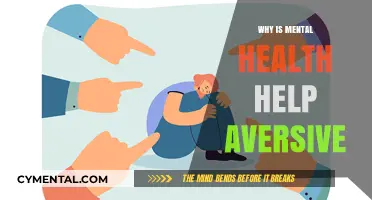
Traditional mental health approaches, while foundational, often fall short due to their one-size-fits-all nature, limited accessibility, and reliance on outdated models. Many individuals struggle to find therapists who understand their unique cultural, socioeconomic, or personal contexts, leading to mismatched treatment plans. Additionally, the stigma surrounding mental health, coupled with high costs and long wait times, creates barriers to entry for those in need. Furthermore, traditional methods like talk therapy or medication may not address the root causes of mental health issues, such as systemic stressors or trauma, leaving individuals feeling unsupported or inadequately treated. As a result, there is a growing call for more personalized, holistic, and innovative solutions to bridge these gaps and provide effective care for diverse populations.
Explore related products


$12.55 $16.95


What You'll Learn
- Stigma and Accessibility: Fear of judgment discourages seeking help; services are often costly or unavailable in many areas
- One-Size-Fits-All Approach: Standard treatments ignore individual needs, cultural differences, and unique life experiences
- Over-Reliance on Medication: Pills often mask symptoms without addressing root causes, leading to dependency
- Short-Term Focus: Therapy sessions are limited, insufficient for long-term, complex mental health issues
- Lack of Holistic Care: Traditional methods neglect physical health, lifestyle, and social factors in treatment

Stigma and Accessibility: Fear of judgment discourages seeking help; services are often costly or unavailable in many areas
Fear of judgment is a silent barrier that keeps countless individuals from seeking mental health support. Stigma, deeply ingrained in societal attitudes, labels those who pursue therapy or counseling as weak, unstable, or flawed. This perception is particularly damaging in cultures that prioritize self-reliance or view mental health struggles as a personal failure. For example, a 2021 study published in *Psychiatry Research* found that 40% of respondents avoided seeking help due to concerns about being judged by others. This fear is not unfounded; real-life consequences, such as workplace discrimination or strained relationships, often follow disclosures of mental health issues. The result? People suffer in silence, delaying or avoiding treatment altogether.
Accessibility compounds this issue, creating a double bind for those already hesitant to seek help. In rural or underserved areas, mental health services are scarce, with only 13% of rural counties in the U.S. having access to a psychiatrist, according to the American Psychiatric Association. Even in urban areas, long wait times and limited provider availability create bottlenecks. Cost is another insurmountable hurdle: without insurance, a single therapy session can range from $100 to $250, making consistent care financially impossible for many. For low-income individuals or those without employer-sponsored insurance, this effectively shuts the door to traditional mental health services.
Consider the case of a 28-year-old in a small Midwestern town, struggling with anxiety but unable to find a therapist within a 50-mile radius. Even if they could travel, the out-of-pocket cost would be prohibitive. This scenario is not unique; it reflects a systemic failure to prioritize mental health infrastructure. Telehealth has emerged as a partial solution, but it requires reliable internet access and digital literacy, leaving many behind. Without addressing these logistical barriers, even the most well-intentioned efforts to reduce stigma will fall short.
To dismantle these obstacles, a multi-pronged approach is necessary. First, public campaigns must reframe mental health care as a routine aspect of self-care, akin to visiting a dentist. Celebrities and influencers can play a role here, normalizing therapy and sharing their own experiences without sensationalism. Second, policymakers must invest in expanding access, particularly in underserved areas, by funding community mental health centers and incentivizing providers to practice in rural regions. Sliding-scale fees and insurance reforms could also make services more affordable. Finally, workplaces and schools should implement programs that actively combat stigma, fostering environments where seeking help is encouraged, not penalized.
The takeaway is clear: stigma and accessibility are intertwined challenges that require both cultural shifts and systemic solutions. Until we address the fear of judgment and the logistical barriers to care, traditional mental health services will remain out of reach for far too many. Practical steps, from policy changes to grassroots advocacy, can begin to bridge this gap, ensuring that no one is left to navigate their struggles alone.
Marijuana's Potential: Easing Mental Health Struggles and Improving Lives
You may want to see also
Explore related products


One-Size-Fits-All Approach: Standard treatments ignore individual needs, cultural differences, and unique life experiences
Traditional mental health treatments often rely on standardized protocols, such as cognitive-behavioral therapy (CBT) or selective serotonin reuptake inhibitors (SSRIs), which are prescribed based on broad diagnostic categories like depression or anxiety. While these approaches have proven effective for some, they fail to account for the intricate tapestry of individual experiences, cultural backgrounds, and personal histories that shape mental health. For instance, a 30-year-old Asian immigrant struggling with anxiety may not respond to the same CBT techniques as a 20-year-old Caucasian college student, due to differing familial expectations, communication styles, and coping mechanisms. This one-size-fits-all model risks alienating those whose needs fall outside its narrow parameters, perpetuating a cycle of ineffective treatment and disillusionment.
Consider the case of medication management. SSRIs, commonly prescribed at a starting dose of 10–20 mg daily, are often adjusted based on symptom severity and side effects. However, factors like genetic variations in drug metabolism, dietary habits, and concurrent use of herbal supplements (e.g., St. John’s wort) can significantly impact efficacy. A patient with a history of trauma or a collectivist cultural orientation might also experience heightened sensitivity to side effects like emotional numbing, which could deter adherence. Without tailoring treatment to these specifics, the medication becomes a blunt instrument rather than a precise tool.
Cultural differences further complicate the application of standardized treatments. For example, in many Indigenous communities, mental health is viewed holistically, intertwined with spiritual and communal well-being. Western therapies that focus solely on individual pathology may overlook these dimensions, rendering them ineffective or even disrespectful. Similarly, a Latinx individual might express depression through somatic symptoms like headaches or fatigue, rather than the "typical" sadness or hopelessness outlined in diagnostic manuals. Misinterpreting these presentations can lead to misdiagnosis and inappropriate treatment plans.
To address this, mental health practitioners must adopt a more nuanced approach. Start by conducting thorough biopsychosocial assessments that explore not just symptoms, but also cultural identity, family dynamics, and life experiences. Incorporate culturally adapted therapies, such as narrative therapy for clients who value storytelling or mindfulness-based interventions for those with a spiritual inclination. For medication management, utilize pharmacogenetic testing to determine optimal dosages and minimize adverse reactions. Finally, encourage collaborative goal-setting, ensuring treatment plans align with the client’s values and priorities rather than imposing a predetermined framework.
The takeaway is clear: mental health care must move beyond cookie-cutter solutions. By acknowledging and integrating individual needs, cultural contexts, and unique life experiences, practitioners can create more effective, empathetic, and sustainable treatment plans. This shift not only improves outcomes but also rebuilds trust in a system that has historically marginalized diverse voices.
Nourish Your Mind: The Powerful Link Between Food and Mental Health
You may want to see also
Explore related products

$19.95

$29.85 $25.6

$18.63 $19.99


Over-Reliance on Medication: Pills often mask symptoms without addressing root causes, leading to dependency
The quick fix of a pill can be tempting, especially when mental health struggles feel overwhelming. Prescriptions for antidepressants and anti-anxiety medications have skyrocketed in recent decades, with over 13% of Americans aged 12 and older taking antidepressants as of 2020. While these medications can provide temporary relief, they often become crutches, masking symptoms without addressing the underlying issues driving them.
Imagine a leaky roof. You can place buckets to catch the drips, but until you repair the roof itself, the problem persists. Similarly, medication can manage symptoms like anxiety or depression, but it doesn't mend the emotional wounds, traumatic experiences, or unhealthy thought patterns that often fuel these conditions.
This over-reliance on medication can lead to a dangerous cycle of dependency. Patients may become accustomed to the temporary relief, fearing the return of symptoms if they stop taking the pills. Dosage increases may be necessary over time to achieve the same effect, leading to potential side effects and increased risk of withdrawal. For example, benzodiazepines, commonly prescribed for anxiety, can lead to physical dependence within weeks, requiring careful tapering under medical supervision to avoid severe withdrawal symptoms.
This isn't to say medication is never necessary. For some individuals, it can be a vital tool in managing severe symptoms and stabilizing their condition enough to engage in therapy. However, it should be viewed as one part of a comprehensive treatment plan, not a standalone solution.
Breaking free from this cycle requires a shift in perspective. Instead of solely relying on pills to manage symptoms, individuals need to address the root causes of their mental health struggles. This often involves therapy, lifestyle changes, and developing healthy coping mechanisms. Cognitive-behavioral therapy, for instance, helps individuals identify and challenge negative thought patterns, while mindfulness practices can cultivate present-moment awareness and emotional regulation.
By focusing on long-term solutions rather than quick fixes, individuals can move beyond symptom management and towards genuine healing and resilience.
Dance Your Way to Better Mental and Physical Health
You may want to see also
Explore related products


$17.27 $18.95



Short-Term Focus: Therapy sessions are limited, insufficient for long-term, complex mental health issues
Therapy sessions, often capped at 50 minutes per week, are designed to address immediate concerns and provide short-term relief. For individuals grappling with acute issues like situational anxiety or mild depression, this structure can be effective. However, for those with chronic, complex conditions—such as PTSD, borderline personality disorder, or treatment-resistant depression—this model falls short. Long-term mental health struggles require sustained, layered interventions that extend beyond the confines of a weekly hour. Without this continuity, progress often stalls, leaving patients frustrated and disillusioned with the therapeutic process.
Consider the analogy of physical rehabilitation: a broken leg doesn’t heal after a few sessions of physical therapy. It demands months of consistent, tailored exercises, adjustments, and monitoring. Mental health is no different. Complex issues like trauma or deep-seated behavioral patterns are not resolved in a handful of sessions. Yet, insurance limitations, therapist availability, and societal expectations often restrict treatment to short-term interventions. For instance, cognitive-behavioral therapy (CBT), a common modality, typically spans 12–20 sessions. While effective for specific goals, it’s rarely sufficient for dismantling years of emotional conditioning or systemic issues.
The short-term focus also fails to account for the cyclical nature of mental health. Relapses, plateaus, and new challenges are common, yet traditional therapy models rarely build in mechanisms for ongoing support. A patient might make progress for six months, only to regress when external stressors reemerge. Without a long-term framework, they’re left to restart the process, often with a new therapist, losing valuable continuity. This stop-and-start approach not only wastes time but can erode trust in the therapeutic system altogether.
To address this gap, alternative models like long-term psychodynamic therapy or integrative approaches are gaining traction. These modalities emphasize depth over brevity, allowing patients to explore root causes rather than surface symptoms. For example, a study published in *Psychotherapy and Psychosomatics* found that long-term therapy (over 50 sessions) yielded significantly better outcomes for patients with chronic depression compared to short-term interventions. Practical steps for patients include advocating for extended treatment plans, seeking therapists who specialize in long-term work, and exploring adjunctive supports like group therapy or peer networks to sustain progress between sessions.
Ultimately, the short-term focus of traditional therapy perpetuates a bandaid approach to mental health. While it may suffice for minor wounds, it’s ill-equipped to heal deep, chronic injuries. Until the system prioritizes longevity and depth, many will continue to fall through the cracks, left to navigate their struggles with insufficient tools and support.
Sento's Soothing Embrace: Exploring Japan's Public Baths for Mental Wellness
You may want to see also
Explore related products


Lack of Holistic Care: Traditional methods neglect physical health, lifestyle, and social factors in treatment
Traditional mental health treatments often compartmentalize the mind, treating it as an entity separate from the body and its environment. This siloed approach overlooks a critical truth: mental health is inextricably linked to physical health, lifestyle choices, and social circumstances. For instance, a 2020 study published in *The Lancet* found that individuals with depression who engaged in regular physical activity experienced a 26% reduction in symptoms compared to those who remained sedentary. Yet, many mental health practitioners fail to incorporate exercise recommendations into treatment plans, missing a powerful tool for symptom management. This neglect of physical health is just one example of how traditional methods fall short by ignoring holistic factors.
Consider the role of lifestyle in mental well-being. Poor sleep, inadequate nutrition, and substance use are often treated as secondary issues, if addressed at all. However, research shows that 65-90% of adults with mental health disorders also experience sleep disturbances, which can exacerbate symptoms of anxiety and depression. Similarly, a diet high in processed foods and sugar has been linked to increased inflammation, a known contributor to mental health issues. Traditional therapy sessions rarely delve into these areas, leaving patients without practical strategies to address root causes. For example, a therapist might help a client manage stress through cognitive techniques but fail to recommend magnesium supplementation (300-400 mg daily) to improve sleep quality, a simple yet effective intervention.
Social factors, too, are frequently sidelined in traditional mental health care. Relationships, socioeconomic status, and community support play pivotal roles in mental well-being, yet these elements are often treated as peripheral. A 2019 study in *Social Science & Medicine* highlighted that individuals with strong social connections have a 50% lower risk of early mortality compared to those with weak ties. Despite this, many treatment plans focus solely on individual coping mechanisms, neglecting the potential benefits of group therapy, community engagement, or even pet ownership, which has been shown to reduce anxiety and depression. This narrow focus limits the effectiveness of treatment, particularly for those whose mental health struggles are deeply intertwined with their social environment.
To address this gap, a shift toward holistic care is imperative. Practitioners must adopt an integrative approach that considers the interplay of physical, lifestyle, and social factors. For example, a holistic treatment plan for a patient with anxiety might include mindfulness-based therapy, a tailored exercise regimen, dietary adjustments to reduce caffeine intake, and referrals to local support groups. Such an approach not only addresses symptoms but also empowers individuals to take control of their overall well-being. By moving beyond the confines of traditional methods, mental health care can become more effective, personalized, and sustainable.
Stuffed Animals: Surprising Mental Health Benefits and Comfort They Offer
You may want to see also
Frequently asked questions
Traditional treatments may not address individual needs, cultural differences, or underlying systemic issues, leading to a lack of personalized care and connection.
Mental health is complex, and one-size-fits-all approaches often fail to account for unique experiences, trauma, or co-occurring conditions that require tailored interventions.
Traditional methods often prioritize clinical frameworks over building trust, empathy, or understanding, leaving patients feeling unheard or misunderstood.
Issues like cost, stigma, lack of diversity in providers, and limited availability of alternative therapies create barriers that traditional systems often fail to address.