Madison Cole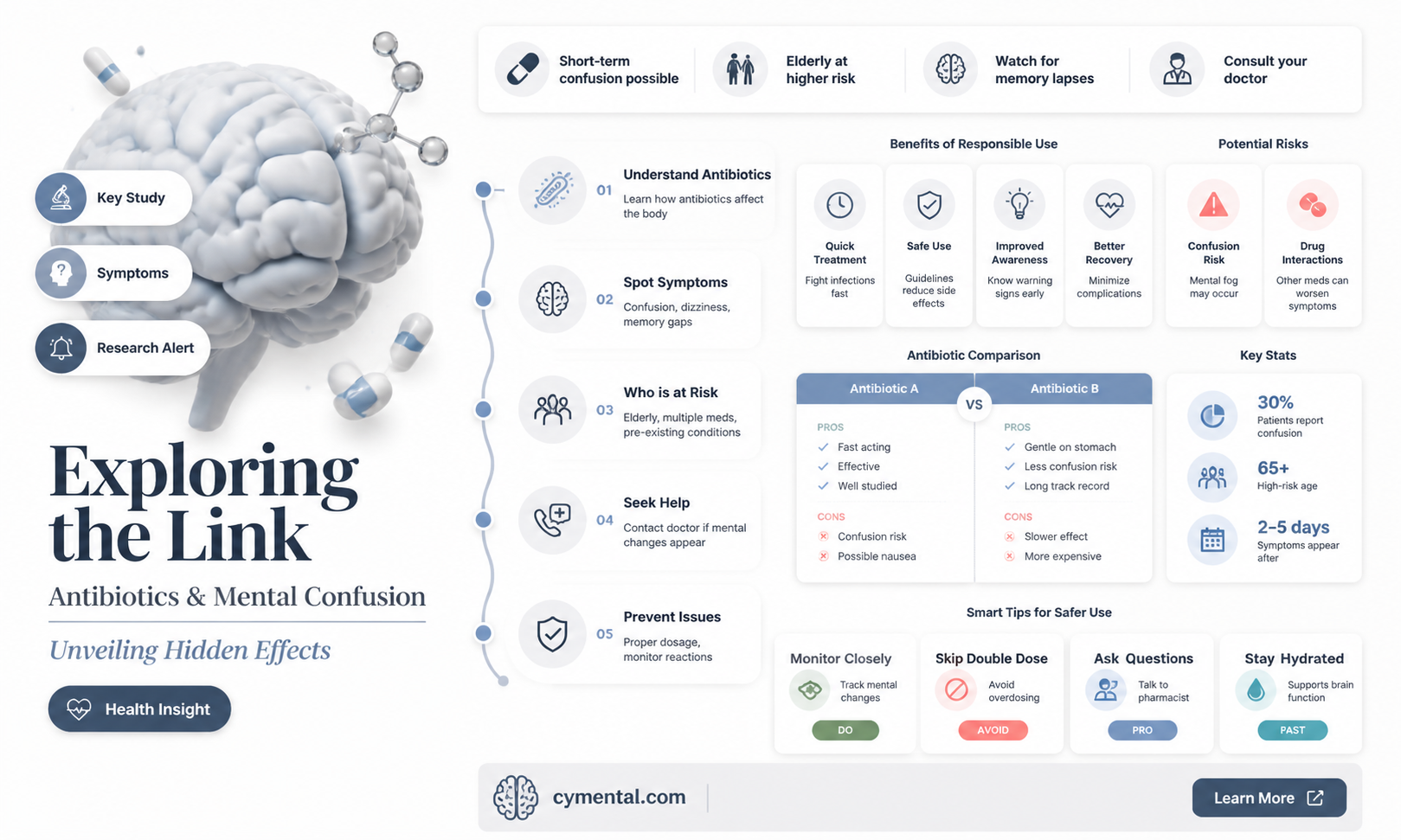
Antibiotics are essential medications used to treat bacterial infections, but they can sometimes cause side effects beyond their intended use. One potential side effect that has been observed is mental confusion, which can manifest as difficulty concentrating, memory problems, or even altered mental status. This phenomenon is not fully understood, but it is believed that certain antibiotics may affect neurotransmitters in the brain or disrupt the gut-brain axis, leading to these cognitive changes. It is important for healthcare providers and patients to be aware of this potential side effect and to weigh the risks and benefits of antibiotic use carefully, especially in individuals with a history of neurological conditions or those who are at higher risk for cognitive impairment.
Explore related products


What You'll Learn
- Potential side effects of antibiotics on cognitive function in elderly patients
- Antibiotic-induced encephalopathy: a rare but serious complication
- The impact of antibiotics on gut microbiota and brain health
- Antibiotic use and the risk of developing delirium in hospitalized patients
- Possible mechanisms by which antibiotics may affect mental clarity and cognition

Potential side effects of antibiotics on cognitive function in elderly patients
Elderly patients often require antibiotics to treat various infections, but these medications can sometimes lead to unintended consequences. One potential side effect that is particularly concerning is the impact of antibiotics on cognitive function in older adults. This issue is complex and multifaceted, involving both direct and indirect effects on the brain.
Direct effects of antibiotics on cognitive function can occur through several mechanisms. Some antibiotics, such as those in the fluoroquinolone class, have been reported to cause confusion, disorientation, and even hallucinations in elderly patients. These symptoms may be due to the drugs' ability to cross the blood-brain barrier and affect neurotransmitter function. Additionally, antibiotics can disrupt the gut microbiome, which plays a crucial role in maintaining cognitive health. Changes in the gut flora can lead to inflammation and oxidative stress, both of which can impair brain function.
Indirect effects of antibiotics on cognitive function are also significant. For example, elderly patients may experience delirium as a result of an infection, which can be exacerbated by the use of antibiotics. Delirium is a serious condition that can lead to long-term cognitive decline and increased risk of dementia. Furthermore, antibiotics can interact with other medications commonly used by older adults, such as anticholinergics and benzodiazepines, which can further impair cognitive function.
It is important to note that not all antibiotics are associated with cognitive side effects, and the risk varies depending on the specific medication and the individual patient. Factors such as age, comorbidities, and the presence of other cognitive risk factors can influence the likelihood of experiencing these side effects. Healthcare providers should carefully consider these factors when prescribing antibiotics to elderly patients and monitor them closely for any signs of cognitive impairment.
In conclusion, while antibiotics are essential for treating infections in elderly patients, their potential impact on cognitive function cannot be overlooked. Healthcare providers must be aware of the risks and take steps to minimize them, such as choosing antibiotics with lower cognitive side effect profiles, monitoring patients closely, and addressing any cognitive changes promptly. By doing so, they can help ensure that older adults receive the benefits of antibiotic therapy while minimizing the risks to their cognitive health.
Exploring the Link: Yeast Infections and Mental Health Concerns
You may want to see also
Explore related products


Antibiotic-induced encephalopathy: a rare but serious complication
Antibiotic-induced encephalopathy is a rare but potentially life-threatening complication that can occur as a result of antibiotic treatment. This condition is characterized by a range of neurological symptoms, including mental confusion, seizures, and altered consciousness. While the exact mechanisms underlying antibiotic-induced encephalopathy are not fully understood, it is believed that certain antibiotics can cause disruptions in the blood-brain barrier, leading to the accumulation of toxic substances in the brain.
One of the most concerning aspects of antibiotic-induced encephalopathy is that it can affect individuals of all ages, from infants to the elderly. In particular, patients with pre-existing neurological conditions, such as epilepsy or dementia, may be at increased risk of developing this complication. Additionally, certain antibiotics, such as penicillin, cephalosporins, and quinolones, have been more commonly associated with antibiotic-induced encephalopathy.
The symptoms of antibiotic-induced encephalopathy can vary widely in severity and presentation. In some cases, patients may experience mild confusion or disorientation, while in others, the symptoms can be much more severe, including seizures, coma, or even death. It is important for healthcare providers to be aware of the potential for this complication and to monitor patients closely for any signs of neurological distress during antibiotic treatment.
Diagnosing antibiotic-induced encephalopathy can be challenging, as the symptoms can be similar to those of other neurological conditions. A thorough medical history, physical examination, and laboratory tests are typically required to rule out other potential causes of the symptoms. In some cases, imaging studies, such as MRI or CT scans, may also be necessary to evaluate the extent of any brain damage.
Treatment for antibiotic-induced encephalopathy typically involves discontinuing the offending antibiotic and providing supportive care to manage the symptoms. In severe cases, anticonvulsant medications may be necessary to control seizures, and intensive care may be required to monitor and manage the patient's condition. The prognosis for patients with antibiotic-induced encephalopathy can vary widely, depending on the severity of the symptoms and the promptness of treatment.
In conclusion, antibiotic-induced encephalopathy is a rare but serious complication that can occur as a result of antibiotic treatment. Healthcare providers should be aware of the potential for this complication and should monitor patients closely for any signs of neurological distress during antibiotic therapy. Early recognition and treatment are critical in managing this condition and minimizing the risk of long-term complications or death.
Unveiling the Link: Alcohol's Impact on Mental Health Predispositions
You may want to see also
Explore related products


![Confusion de Confusiones [1688]: Portions Descriptive of the Amsterdam Stock Exchange](https://m.media-amazon.com/images/I/71Ndj0iImvL._AC_UY218_.jpg)

The impact of antibiotics on gut microbiota and brain health
Antibiotics have revolutionized medicine by providing effective treatments for bacterial infections. However, their use has also raised concerns about potential side effects, particularly on the gut microbiota and brain health. The gut microbiota is a complex ecosystem of microorganisms that reside in the digestive tract and play a crucial role in maintaining overall health. Disruptions to this delicate balance can have far-reaching consequences, including impacts on brain function and mental health.
Research has shown that antibiotics can significantly alter the composition of the gut microbiota, leading to a decrease in microbial diversity and changes in the relative abundance of different bacterial species. These alterations can impair the gut-brain axis, a bidirectional communication system between the gut and the brain that regulates various physiological processes, including mood, cognition, and behavior.
One potential mechanism by which antibiotics may affect brain health is through the modulation of neurotransmitter production. Certain bacteria in the gut are involved in the synthesis of neurotransmitters such as serotonin and dopamine, which are essential for regulating mood and emotional states. Disruptions to the gut microbiota can lead to imbalances in neurotransmitter production, potentially contributing to mental confusion, anxiety, and depression.
Furthermore, antibiotics can increase the permeability of the blood-brain barrier, allowing harmful substances to enter the brain and causing inflammation. This can lead to cognitive impairment and other neurological symptoms. Studies have also suggested that long-term use of antibiotics may be associated with an increased risk of neurodegenerative diseases such as Alzheimer's and Parkinson's.
To mitigate the potential negative effects of antibiotics on gut microbiota and brain health, it is essential to use these medications judiciously and only when necessary. Healthcare providers should consider the potential risks and benefits of antibiotic treatment and explore alternative therapies when appropriate. Additionally, maintaining a healthy diet rich in fiber and probiotics can help support the gut microbiota and promote overall well-being.
In conclusion, while antibiotics have undoubtedly saved countless lives, their impact on gut microbiota and brain health cannot be overlooked. It is crucial to continue researching the complex interplay between antibiotics, the gut microbiome, and mental health to develop more effective and safer treatment strategies. By doing so, we can ensure that the benefits of antibiotics are maximized while minimizing their potential risks.
Exploring the Long-Term Effects of Mental Breakdowns: Can They Cause Permanent Damage?
You may want to see also
Explore related products


Antibiotic use and the risk of developing delirium in hospitalized patients
Recent studies have highlighted a concerning link between antibiotic use and the development of delirium in hospitalized patients. Delirium, characterized by acute confusion and altered mental status, can significantly impact patient outcomes, leading to prolonged hospital stays, increased healthcare costs, and even mortality. The risk of delirium is particularly elevated in older adults, who may have underlying cognitive impairments or comorbidities that make them more susceptible to the adverse effects of antibiotics.
One potential mechanism by which antibiotics may contribute to delirium is through their impact on the gut microbiome. Antibiotics can disrupt the delicate balance of bacteria in the gastrointestinal tract, leading to changes in the production of neurotransmitters and other compounds that influence brain function. This disruption can result in symptoms of delirium, such as confusion, agitation, and hallucinations.
Another factor to consider is the potential for antibiotic-induced neurotoxicity. Certain antibiotics, such as fluoroquinolones and macrolides, have been associated with an increased risk of neurological adverse events, including delirium. These antibiotics may directly affect the central nervous system, leading to alterations in mental status and cognitive function.
To mitigate the risk of delirium in hospitalized patients receiving antibiotics, healthcare providers should consider implementing strategies such as:
- Regularly monitoring patients for signs of delirium, particularly in older adults and those with underlying cognitive impairments.
- Choosing antibiotics with a lower risk of neurotoxicity when possible.
- Administering probiotics to help maintain a healthy gut microbiome.
- Ensuring adequate hydration and nutrition to support overall brain health.
- Minimizing the use of sedatives and other medications that can exacerbate delirium.
By taking these steps, healthcare providers can help reduce the incidence of delirium in hospitalized patients receiving antibiotics, ultimately improving patient outcomes and quality of care.
Unraveling the Link: Depression and Mental Confusion Explored
You may want to see also
Possible mechanisms by which antibiotics may affect mental clarity and cognition
Antibiotics are primarily designed to target bacterial infections, but their impact can extend beyond the realm of microbiology. Recent studies have suggested a potential link between antibiotic use and cognitive impairment, including mental confusion and decreased clarity of thought. One possible mechanism by which antibiotics may affect mental clarity and cognition is through the disruption of the gut-brain axis. The gut microbiome plays a crucial role in maintaining cognitive function, and antibiotics can significantly alter this delicate balance by eliminating both harmful and beneficial bacteria. This disruption can lead to changes in neurotransmitter production, inflammation, and oxidative stress, all of which can negatively impact cognitive performance.
Another potential mechanism is the direct neurotoxic effects of certain antibiotics. Some antibiotics, such as fluoroquinolones and macrolides, have been shown to cause neurological side effects, including confusion, dizziness, and memory impairment. These effects may be due to the antibiotics' ability to cross the blood-brain barrier and interfere with normal neuronal function. Additionally, antibiotics can affect the immune system, which in turn can influence cognitive function. Chronic inflammation, often a byproduct of immune system activation, has been linked to cognitive decline and neurodegenerative diseases. Antibiotic use can lead to an imbalance in the immune response, potentially exacerbating inflammation and contributing to cognitive impairment.
Furthermore, antibiotics can interact with other medications, leading to increased side effects and cognitive disturbances. For example, the combination of antibiotics with certain antidepressants or antihistamines can potentiate their individual cognitive side effects, resulting in a greater likelihood of mental confusion and decreased clarity of thought. It is essential for healthcare providers to consider these potential interactions when prescribing antibiotics, especially to patients with pre-existing cognitive impairments or those taking multiple medications.
In conclusion, while antibiotics are vital tools in the fight against bacterial infections, their use should be approached with caution due to the potential risks to mental clarity and cognition. Healthcare providers and patients alike should be aware of these possible mechanisms and take steps to mitigate any adverse effects, such as monitoring cognitive function during antibiotic treatment and considering alternative therapies when appropriate.
Unraveling the Link: Abuse and Its Impact on Mental Health
You may want to see also
Frequently asked questions
Yes, some antibiotics can cause mental confusion as a side effect. This is more common in older adults and can manifest as delirium, disorientation, or cognitive impairment.
Antibiotics that are more likely to cause mental confusion include fluoroquinolones (such as ciprofloxacin), macrolides (such as erythromycin), and aminoglycosides (such as gentamicin). However, it's important to note that any antibiotic can potentially cause this side effect.
If you experience mental confusion while taking antibiotics, it's important to contact your healthcare provider immediately. They may need to adjust your dosage, switch you to a different antibiotic, or provide additional treatment to manage your symptoms.