Madison Cole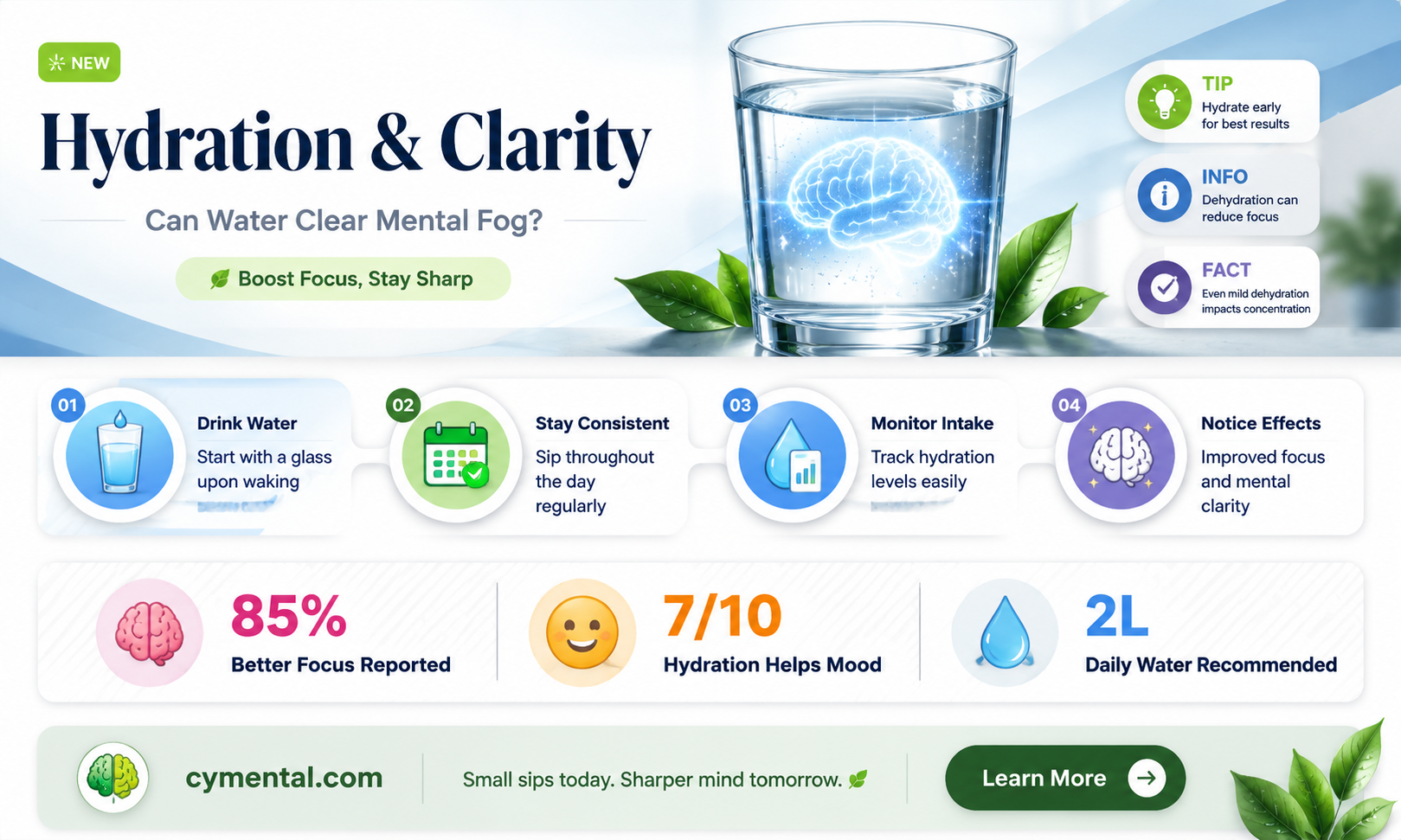
Water plays a crucial role in maintaining overall health, and its impact on mental clarity is a topic of growing interest. Dehydration, even in mild forms, can lead to symptoms such as difficulty concentrating, memory lapses, and a general sense of mental fog. The brain, which is about 75% water, relies on proper hydration to function optimally, as water helps transport nutrients, remove toxins, and maintain the balance of electrolytes essential for cognitive processes. Studies suggest that staying adequately hydrated can improve focus, mood, and cognitive performance, while chronic dehydration may exacerbate feelings of mental fatigue and cloudiness. Thus, ensuring consistent water intake throughout the day could be a simple yet effective strategy to combat mental fog and enhance mental sharpness.
| Characteristics | Values |
|---|---|
| Hydration and Cognitive Function | Proper hydration is essential for optimal brain function. Studies show that even mild dehydration (1-2% of body weight) can impair cognitive performance, including concentration, alertness, and short-term memory. |
| Brain Composition | The brain is approximately 75% water, highlighting its critical role in maintaining neural communication and overall brain health. |
| Oxygen Delivery | Adequate hydration ensures efficient blood flow, facilitating oxygen delivery to the brain, which is vital for mental clarity. |
| Toxin Elimination | Water aids in flushing out toxins and waste products from the brain and body, potentially reducing mental fog caused by toxin buildup. |
| Electrolyte Balance | Proper hydration helps maintain electrolyte balance, crucial for nerve function and cognitive processes. |
| Mood and Stress Reduction | Studies suggest that staying hydrated can positively impact mood and reduce stress levels, indirectly alleviating mental fog. |
| Recommended Daily Intake | The National Academies of Sciences, Engineering, and Medicine recommends approximately 3.7 liters (15.5 cups) of fluids for men and 2.7 liters (11.5 cups) for women daily, including water from foods and beverages. |
| Individual Variations | Water needs can vary based on factors like age, sex, activity level, climate, and health conditions. |
| Signs of Dehydration | Common signs include thirst, dry mouth, fatigue, dizziness, and reduced cognitive performance, all of which can contribute to mental fog. |
| Practical Tips | Carry a reusable water bottle, set reminders to drink water, and consume water-rich foods like fruits and vegetables to maintain hydration. |
Explore related products


What You'll Learn

Hydration and Cognitive Function
Dehydration, even as mild as 2%, impairs cognitive performance. Studies show this level of fluid loss—easily achieved through a busy day without consistent water intake—can reduce attention span, memory, and mood stability. Athletes, students, and professionals alike experience this as "mental fog," a state where clarity and focus seem just out of reach. The brain, composed of 75% water, relies on proper hydration to maintain neurotransmitter function and energy production. Ignoring thirst cues isn’t just uncomfortable—it’s a silent saboteur of mental efficiency.
To combat mental fog, aim for a daily water intake of 2.7 to 3.7 liters for adults, adjusting for activity level, climate, and individual needs. Start with a glass of water upon waking to replenish overnight fluid loss, and carry a reusable bottle as a visual reminder. For those who struggle with plain water, infuse it with cucumber, mint, or berries for flavor without added sugar. Pair hydration with routine—drink a glass before meals, during breaks, and after physical activity. Tracking apps or marked bottles can ensure consistency, turning hydration into a habit rather than an afterthought.
Children and older adults are particularly vulnerable to dehydration’s cognitive effects. Kids, with higher water needs relative to body weight, should drink 1.7 to 2.7 liters daily, depending on age and activity. Encourage hydration by offering water-rich snacks like watermelon or oranges and making it a fun challenge with colorful cups or straws. For seniors, who may have diminished thirst signals, caregivers should monitor fluid intake and offer reminders. Herbal teas or broth can be alternatives for those who find plain water unappealing.
While water is essential, overhydration is rare but possible, particularly in extreme cases like endurance sports. Listen to your body—urine color is a simple gauge, with pale yellow indicating optimal hydration. Balance water intake with electrolytes, especially during intense activity or heat, to maintain proper fluid distribution in the body. Think of hydration as a foundation for cognitive function, not a cure-all. Pair it with adequate sleep, nutrition, and mental breaks for a holistic approach to clearing mental fog.
Do Mental Hospitals Help: Exploring Effectiveness and Patient Outcomes
You may want to see also
Explore related products


Water’s Role in Brain Clarity
Dehydration, even as mild as 2%, impairs cognitive performance, including attention, memory, and mood. Studies show that dehydrated individuals experience increased fatigue, tension, and anxiety, alongside reduced cognitive flexibility and problem-solving abilities. This is because the brain is highly sensitive to changes in hydration status, relying on water for nutrient delivery, waste removal, and maintaining optimal neuronal function.
Dehydration disrupts these processes, leading to a foggy, unfocused mental state.
Imagine your brain as a high-performance engine. Just as a car needs oil to function smoothly, your brain needs water. Proper hydration ensures efficient communication between neurons, allowing for quicker processing speed and sharper focus. Aim for 2-3 liters of water daily, adjusting based on activity level and climate. Carry a reusable water bottle as a visual reminder, and incorporate water-rich foods like cucumbers, watermelon, and oranges into your diet.
Think of it as fueling your brain for optimal performance.
While water is essential, overhydration can be counterproductive. Excessive water intake can dilute electrolytes, leading to imbalances that also impair cognitive function. Listen to your body's thirst cues and avoid forcing excessive water consumption. Consider adding a pinch of sea salt to your water or incorporating electrolyte-rich foods like spinach, avocado, and yogurt, especially after exercise or in hot weather. Balance is key to maintaining both physical and mental clarity.
The link between hydration and brain clarity is undeniable. By understanding the science and implementing simple hydration strategies, you can effectively combat mental fog and unlock your cognitive potential. Remember, staying properly hydrated is a simple yet powerful tool for sharpening your focus, enhancing your mood, and optimizing your overall brain health.
Pets and Mental Health: How Furry Friends Boost Well-Being
You may want to see also
Explore related products



Dehydration’s Impact on Focus
Mild dehydration, as little as 1.5% loss of body water, can impair cognitive performance. Studies show this level of dehydration—easily achieved by skipping two glasses of water—reduces attention span, short-term memory, and visual motor skills. Athletes, students, and professionals alike experience this decline, often mistaking it for fatigue or stress. Monitoring urine color (pale yellow indicates proper hydration) and drinking water before feeling thirsty are simple yet effective preventive measures.
Consider the brain’s composition: 75% water. Even slight dehydration disrupts its ability to regulate neurotransmitters and maintain energy levels. For instance, a 2% dehydration level—common after a busy morning without water—can slow reaction times by up to 30%. This is comparable to the effects of mild alcohol intoxication. To counteract this, aim for 8–10 cups of water daily, adjusting for activity level and climate. Carrying a reusable water bottle and setting hourly reminders can help maintain consistent intake.
Comparing hydrated and dehydrated states reveals stark differences in productivity. A study found hydrated individuals completed cognitive tasks 14% faster than their dehydrated counterparts. Employers can enhance workplace focus by providing accessible water stations and promoting hydration breaks. Similarly, students can improve exam performance by drinking water before and during tests. The takeaway? Hydration is a low-cost, high-impact tool for sharpening focus—one that requires only consistency and awareness.
Plant-Based Diets and Mental Health: Exploring the Mind-Body Connection
You may want to see also
Explore related products


Hydration for Mood Stability
Dehydration doesn't just affect your body; it can significantly impact your mood. Even mild dehydration, as little as 1-2% of body weight, has been linked to increased feelings of anxiety, fatigue, and difficulty concentrating. Studies show that dehydrated individuals often report higher stress levels and lower mood scores compared to those who are adequately hydrated. This is because dehydration disrupts the delicate balance of neurotransmitters in the brain, such as serotonin, which plays a crucial role in regulating mood and emotional well-being.
Understanding this connection highlights the importance of hydration as a simple yet powerful tool for maintaining emotional equilibrium.
While the "8x8 rule" (eight 8-ounce glasses of water per day) is a common guideline, individual hydration needs vary. Factors like age, activity level, climate, and health conditions influence how much water you need. For instance, older adults may have a diminished thirst response, requiring conscious effort to stay hydrated. Athletes or those in hot climates need significantly more water to compensate for fluid loss through sweat. A practical approach is to monitor your urine color; pale yellow indicates adequate hydration, while dark yellow suggests the need for more fluids. Additionally, incorporating water-rich foods like cucumbers, watermelon, and oranges can contribute to your daily intake.
Tailoring your hydration strategy to your specific needs ensures you're providing your brain with the fluid it requires to function optimally.
Beyond water intake, the timing of hydration can also impact mood stability. Starting your day with a glass of water helps rehydrate your body after sleep and sets a positive tone for the day. Sipping water regularly throughout the day, rather than chugging large amounts at once, ensures a steady supply of fluids to your brain. Avoiding excessive caffeine and alcohol is crucial, as they can act as diuretics, promoting fluid loss and potentially exacerbating mood fluctuations. By integrating mindful hydration practices into your daily routine, you can create a foundation for sustained emotional well-being.
Remember, consistent hydration is a simple yet effective strategy for nurturing both your physical and mental health.
Arrested or Assisted: Mental Illness and the Justice System's Dilemma
You may want to see also
Explore related products


Water Intake and Mental Fatigue
Dehydration, even as mild as 2%, impairs cognitive performance, including attention, short-term memory, and mood regulation. Studies show that dehydrated individuals experience increased mental fatigue, reduced alertness, and decreased ability to perform complex tasks. This is because the brain, composed of 75% water, relies on proper hydration for optimal function. Neuronal signaling, neurotransmitter production, and waste removal all depend on adequate fluid levels. When dehydrated, the brain’s energy metabolism slows, leading to the mental fog many describe as "brain fog."
To combat mental fatigue through hydration, aim for a daily water intake of 2.7 to 3.7 liters for adults, adjusting for factors like activity level, climate, and health status. A practical tip is to drink a glass of water first thing in the morning, as overnight dehydration can exacerbate morning mental sluggishness. Carry a reusable water bottle to sip throughout the day, and set reminders if needed. Incorporate water-rich foods like cucumbers, watermelon, and oranges into your diet to supplement fluid intake. Avoid waiting until you’re thirsty, as thirst is a late indicator of dehydration.
While increasing water intake is beneficial, overhydration can be harmful, though rare. Drinking more than 4 liters of water daily without electrolyte balance can lead to hyponatremia, a condition where sodium levels in the blood become dangerously low. For those with kidney or heart conditions, consult a healthcare provider for personalized hydration recommendations. Additionally, pairing water intake with electrolyte-rich beverages or snacks during intense physical activity can maintain balance and enhance mental clarity.
Comparing hydration strategies, room-temperature water is absorbed more efficiently than cold water, which can slow gastric emptying. Herbal teas or infused water with mint or lemon can make hydration more appealing without added sugars. Contrastingly, caffeinated or alcoholic beverages act as diuretics, increasing fluid loss and potentially worsening mental fatigue. For sustained mental focus, prioritize consistent, mindful hydration over quick fixes that may disrupt fluid balance. By integrating these practices, individuals can effectively reduce mental fatigue and improve cognitive function.
Finding Support: Where to Get Help for Depression and Healing
You may want to see also
Frequently asked questions
Yes, staying hydrated by drinking water can improve mental clarity and reduce brain fog, as dehydration negatively impacts cognitive function, including concentration and alertness.
Aim for 8–10 cups (about 2–2.5 liters) of water daily, but adjust based on factors like activity level, climate, and individual needs.
Yes, even mild dehydration (1–2% of body weight) can impair cognitive performance, leading to symptoms like difficulty focusing, fatigue, and mental fog.
Yes, electrolytes like sodium, potassium, and magnesium help maintain proper hydration and brain function, which can further reduce mental fog.
Yes, eating water-rich foods (e.g., fruits and vegetables), limiting diuretics like caffeine, and staying consistent with hydration throughout the day can also help combat mental fog.