Ava Ramirez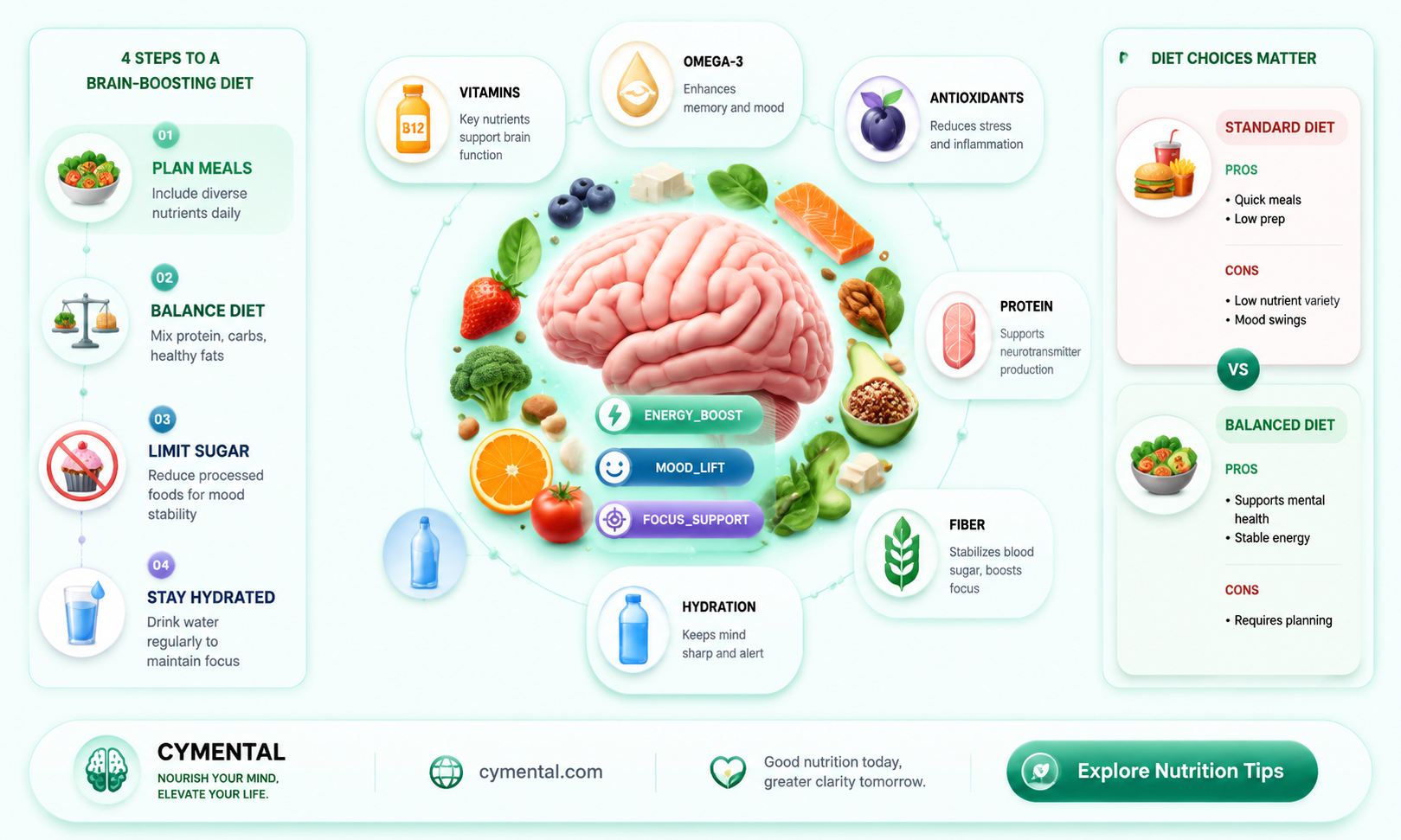
A growing body of research suggests that a good diet plays a significant role in supporting mental health. Nutrient-rich foods, such as fruits, vegetables, whole grains, lean proteins, and healthy fats, provide essential vitamins, minerals, and antioxidants that nourish the brain and influence neurotransmitter function. Diets high in processed foods, sugar, and unhealthy fats, on the other hand, have been linked to increased risks of depression, anxiety, and cognitive decline. Emerging evidence highlights the gut-brain connection, where a healthy gut microbiome, fostered by fiber-rich and fermented foods, can positively impact mood and stress resilience. While diet alone may not be a cure-all for mental health conditions, adopting a balanced and nutritious eating pattern can be a valuable tool in promoting overall well-being and potentially reducing the risk of mental health challenges.
| Characteristics | Values |
|---|---|
| Impact on Depression | A Mediterranean diet rich in fruits, vegetables, whole grains, and omega-3 fatty acids is associated with a reduced risk of depression. Studies show a 25-35% lower risk in adherent individuals. |
| Anxiety Reduction | Diets high in processed foods and sugar are linked to increased anxiety symptoms, while whole foods and probiotics (e.g., fermented foods) may help reduce anxiety. |
| Cognitive Function | Nutrient-dense diets, particularly those rich in antioxidants and healthy fats, support brain health and may slow cognitive decline in aging. |
| Mood Regulation | Foods high in tyrosine (e.g., eggs, dairy, nuts) and tryptophan (e.g., turkey, bananas) can boost neurotransmitters like dopamine and serotonin, improving mood. |
| Gut-Brain Axis | A healthy gut microbiome, supported by fiber-rich and fermented foods, positively influences mental health by reducing inflammation and improving neurotransmitter production. |
| Inflammation Reduction | Anti-inflammatory diets (e.g., Mediterranean, DASH) lower systemic inflammation, which is linked to improved mental health outcomes. |
| Energy and Focus | Balanced diets with complex carbohydrates, proteins, and healthy fats stabilize blood sugar levels, enhancing energy and concentration. |
| Stress Resilience | Magnesium-rich foods (e.g., leafy greens, nuts) and adaptogenic herbs (e.g., ashwagandha) may help the body manage stress responses. |
| Sleep Quality | Diets high in melatonin (e.g., cherries, almonds) and low in caffeine improve sleep, which is critical for mental health. |
| Long-Term Mental Health | Consistent adherence to a healthy diet is associated with a lower risk of mental health disorders over time. |
Explore related products



What You'll Learn
- Nutrients and Mood: Essential vitamins and minerals directly impact brain function and emotional well-being
- Gut-Brain Axis: Healthy gut microbiome influences mental health through neurotransmitter production
- Inflammation Reduction: Anti-inflammatory diets may lower depression and anxiety symptoms
- Stable Blood Sugar: Balanced meals prevent mood swings and cognitive fog caused by glucose spikes
- Omega-3 Fatty Acids: These fats support brain structure and reduce risk of mental disorders

Nutrients and Mood: Essential vitamins and minerals directly impact brain function and emotional well-being
The brain, a voracious energy consumer, demands a constant supply of nutrients to function optimally. Think of it as a high-performance engine – it needs premium fuel. Essential vitamins and minerals act as the spark plugs, ensuring neurotransmitters fire correctly, hormones remain balanced, and neural pathways stay clear. Deficiencies in these micronutrients can lead to misfires, manifesting as mood swings, anxiety, and even depression.
Imagine a symphony orchestra where some instruments are out of tune. The result is discordant, just like a brain deprived of key nutrients.
Let's delve into the key players. Omega-3 fatty acids, found abundantly in fatty fish like salmon and sardines, are the brain's structural building blocks. Studies suggest a daily intake of 250-500 mg of EPA and DHA, the active forms of omega-3s, can significantly improve symptoms of depression and anxiety. Vitamin D, often dubbed the "sunshine vitamin," plays a crucial role in serotonin production, a neurotransmitter linked to mood regulation. Aim for 600-800 IU daily, especially during winter months when sunlight exposure is limited.
B vitamins, particularly folate, B6, and B12, are essential for neurotransmitter synthesis. Deficiencies in these vitamins have been linked to depression and cognitive decline. Include leafy greens, legumes, and fortified cereals in your diet to ensure adequate intake.
It's not just about what you eat, but also what you absorb. Certain medications, gut health issues, and even stress can hinder nutrient absorption. Consider consulting a healthcare professional to assess your individual needs and determine if supplementation is necessary. Remember, while a balanced diet is paramount, targeted supplementation can be a valuable tool in optimizing your brain's nutritional intake.
Think of it as fine-tuning your brain's performance, ensuring it operates at its full potential.
Practical tips for incorporating these mood-boosting nutrients into your daily routine are surprisingly simple. Start your day with a smoothie packed with spinach, berries, and a dollop of Greek yogurt for a B vitamin and omega-3 boost. Snack on nuts and seeds for a crunchy source of magnesium and zinc, both crucial for stress management. Swap refined carbohydrates for whole grains, which provide sustained energy and support stable blood sugar levels, preventing mood swings. By making these small, mindful changes, you're not just nourishing your body, you're nurturing your mind, fostering a sense of well-being that radiates from the inside out.
Mental Health's Impact on Skin Aging: Unveiling the Mind-Face Connection
You may want to see also
Explore related products


Gut-Brain Axis: Healthy gut microbiome influences mental health through neurotransmitter production
The gut-brain axis is a bidirectional communication network linking the central nervous system with the gastrointestinal tract, and it plays a pivotal role in mental health. At the heart of this connection lies the gut microbiome—a complex ecosystem of microorganisms that influence brain function through various pathways, including neurotransmitter production. Serotonin, often called the "feel-good" neurotransmitter, is a prime example; approximately 90% of it is produced in the gut. This highlights how dietary choices, which shape the gut microbiome, can directly impact mood and mental well-being.
To harness the gut-brain axis for mental health, focus on prebiotic and probiotic-rich foods. Prebiotics, such as garlic, onions, and bananas, nourish beneficial gut bacteria, while probiotics found in yogurt, kefir, and fermented foods like sauerkraut introduce healthy microbes. A study published in *Psychopharmacology* found that participants who consumed a probiotic mix containing *Lactobacillus* and *Bifidobacterium* strains for four weeks reported reduced stress and improved mood compared to a control group. Incorporating these foods daily can be as simple as adding a serving of fermented vegetables to meals or swapping sugary snacks for a probiotic-rich smoothie.
However, not all dietary changes yield immediate results. Rebuilding a healthy gut microbiome takes time, often requiring consistent effort over weeks or months. For instance, increasing fiber intake to 25–30 grams per day supports microbial diversity but may cause temporary bloating or discomfort as the gut adjusts. Patience and gradual adjustments are key. Additionally, pairing dietary changes with lifestyle factors like regular exercise and adequate sleep amplifies their impact on mental health, as these habits collectively reduce inflammation and promote gut-brain balance.
A cautionary note: while diet is a powerful tool, it’s not a standalone solution for severe mental health conditions. Individuals with diagnosed disorders like depression or anxiety should consult healthcare professionals before making significant dietary changes. For example, those on medication must be aware that certain foods (e.g., fermented soy products) can interact with antidepressants. Practical tips include keeping a food and mood journal to track how dietary adjustments correlate with mental health changes, ensuring a personalized approach to leveraging the gut-brain axis.
In conclusion, the gut-brain axis underscores the profound link between diet and mental health, with neurotransmitter production being a critical mechanism. By strategically incorporating prebiotic and probiotic foods, managing expectations, and integrating holistic lifestyle practices, individuals can nurture their gut microbiome to support emotional well-being. This science-backed approach offers a tangible way to influence mental health through everyday dietary choices.
Supporting Mental Health: Practical Ways to Help Loved Ones Heal
You may want to see also
Explore related products





Inflammation Reduction: Anti-inflammatory diets may lower depression and anxiety symptoms
Chronic inflammation, often a silent culprit, has been increasingly linked to mental health disorders like depression and anxiety. Emerging research suggests that anti-inflammatory diets, rich in specific nutrients and low in inflammatory triggers, can play a pivotal role in mitigating these symptoms. This connection highlights the intricate relationship between gut health and brain function, a concept often referred to as the gut-brain axis. By focusing on foods that reduce inflammation, individuals may find a complementary approach to managing their mental well-being.
Consider the Mediterranean diet, a prime example of an anti-inflammatory eating pattern. It emphasizes whole foods such as fatty fish (salmon, mackerel), olive oil, nuts, seeds, and colorful vegetables, all of which are high in omega-3 fatty acids, antioxidants, and fiber. Studies show that omega-3s, in particular, can reduce pro-inflammatory markers like C-reactive protein (CRP) and interleukin-6 (IL-6), which are often elevated in individuals with depression. For instance, a 2019 meta-analysis published in *Psychosomatic Medicine* found that higher fish consumption was associated with a 17% reduction in depression risk. Practical tips include incorporating at least two servings of fatty fish per week and using olive oil as the primary cooking fat.
Contrast this with the typical Western diet, high in processed foods, refined sugars, and trans fats, which promotes inflammation. Foods like sugary beverages, fried snacks, and red meat have been shown to increase inflammatory markers and exacerbate symptoms of anxiety and depression. A 2021 study in *Clinical Nutrition* revealed that individuals consuming a diet high in processed foods had a 38% higher likelihood of developing anxiety disorders. To counteract this, start by gradually reducing intake of inflammatory foods while increasing anti-inflammatory options. For example, swap sugary snacks for berries, or replace red meat with legumes or tofu in meals.
Implementing an anti-inflammatory diet doesn’t require drastic changes overnight. Begin with small, sustainable steps. Incorporate turmeric, a potent anti-inflammatory spice, into daily meals—aim for 1–3 grams of turmeric powder or 500–1,000 mg of curcumin (its active compound) in supplement form. Pair it with black pepper to enhance absorption. Additionally, prioritize fermented foods like yogurt, kefir, or sauerkraut to support a healthy gut microbiome, which plays a critical role in reducing inflammation. Hydration is equally important; aim for 8–10 cups of water daily, as dehydration can trigger inflammatory responses.
While anti-inflammatory diets show promise, they are not a standalone cure for depression or anxiety. They should complement, not replace, professional mental health treatments. However, for those seeking holistic approaches, this dietary strategy offers a tangible way to support mental well-being. By focusing on nutrient-dense, anti-inflammatory foods and minimizing inflammatory triggers, individuals can take proactive steps toward reducing symptoms and improving overall mental health. The key lies in consistency and mindfulness, turning each meal into an opportunity for healing.
Vitamin D's Role in Boosting Mental Health and Well-being
You may want to see also
Explore related products


Stable Blood Sugar: Balanced meals prevent mood swings and cognitive fog caused by glucose spikes
Blood sugar fluctuations are a silent saboteur of mental clarity and emotional stability. When glucose levels spike and crash, so too can your mood and focus, leaving you irritable, foggy-headed, and struggling to concentrate. This isn't just anecdotal; research shows a clear link between unstable blood sugar and increased anxiety, depression, and cognitive impairment.
Imagine your brain as a high-performance engine. It relies on a steady supply of glucose for fuel. Balanced meals, rich in complex carbohydrates, lean protein, healthy fats, and fiber, act as a slow-release fuel source, providing a consistent stream of energy. Think of oatmeal with nuts and berries, grilled chicken with quinoa and vegetables, or lentil soup with whole-grain bread. These combinations prevent the rapid spikes and crashes caused by sugary snacks or refined carbohydrates, keeping your mental engine humming smoothly.
A study published in the *American Journal of Clinical Nutrition* found that participants who consumed a high-glycemic-load diet (causing rapid blood sugar spikes) experienced greater fatigue, confusion, and difficulty concentrating compared to those on a low-glycemic-load diet.
Incorporating blood sugar stability into your daily routine doesn't require drastic measures. Start by focusing on meal composition. Aim for a balance of macronutrients at every meal, ensuring you include a source of protein, healthy fat, and complex carbohydrates. Snack wisely, opting for options like apple slices with almond butter, hummus with vegetable sticks, or Greek yogurt with berries. Stay hydrated, as dehydration can mimic symptoms of low blood sugar. Finally, be mindful of portion sizes, as overeating, even healthy foods, can lead to blood sugar spikes.
By prioritizing stable blood sugar through balanced meals, you're not just nourishing your body; you're investing in your mental well-being. You'll experience improved mood, sharper focus, and sustained energy levels, allowing you to navigate your day with greater clarity and resilience. Remember, small dietary changes can lead to significant improvements in your mental health and overall quality of life.
Clean Spaces, Clear Minds: How Room Organization Impacts Mental Health
You may want to see also
Explore related products


Omega-3 Fatty Acids: These fats support brain structure and reduce risk of mental disorders
Omega-3 fatty acids are essential fats that the body cannot produce on its own, making dietary intake crucial. Found predominantly in fatty fish like salmon, mackerel, and sardines, as well as in flaxseeds, walnuts, and algae-based supplements, these fats play a pivotal role in brain health. The brain is composed of nearly 60% fat, and omega-3s, particularly EPA (eicosapentaenoic acid) and DHA (docosahexaenoic acid), are key structural components of brain cell membranes. This structural support enhances cell communication, which is fundamental for cognitive function and emotional regulation. Without adequate omega-3 intake, the brain’s architecture weakens, potentially leading to impaired mental processes.
Research consistently highlights the link between omega-3s and reduced risk of mental disorders. Studies show that populations with higher fish consumption, such as those in Japan and Scandinavia, have lower rates of depression and anxiety. Clinical trials further support this, with meta-analyses indicating that omega-3 supplementation can alleviate symptoms of major depressive disorder, particularly when EPA levels are high. For instance, a daily dose of 1,000–2,000 mg of combined EPA and DHA has been shown to be effective in managing mild to moderate depression. Similarly, omega-3s have been associated with a lower risk of psychotic disorders in at-risk individuals, particularly during critical developmental stages like adolescence.
Incorporating omega-3s into your diet doesn’t require drastic changes. Aim for at least two servings of fatty fish per week, such as grilled salmon or canned sardines. For vegetarians or those who dislike fish, ground flaxseeds, chia seeds, or walnuts can be sprinkled on meals, while algae-based supplements provide a direct source of DHA. If opting for supplements, choose high-quality brands with third-party testing to ensure purity and potency. Pregnant women, in particular, should prioritize DHA intake, as it supports fetal brain development, with a recommended daily dose of 200–300 mg.
Despite their benefits, omega-3s are not a standalone solution for mental health. They work best as part of a holistic approach that includes a balanced diet, regular physical activity, and stress management. Additionally, excessive intake of omega-3 supplements can lead to side effects like blood thinning or gastrointestinal discomfort, so adhering to recommended dosages is essential. For individuals on medication, consulting a healthcare provider is crucial to avoid interactions. By integrating omega-3s thoughtfully, you can fortify your brain’s foundation and reduce the risk of mental health challenges.
Supporting Mental Health: Effective Ways to Help a Loved One in Need
You may want to see also
Frequently asked questions
Yes, a good diet directly impacts mental health. Nutrient-rich foods support brain function, regulate mood, and reduce the risk of mental health disorders like depression and anxiety.
Foods rich in omega-3 fatty acids (e.g., salmon, walnuts), antioxidants (e.g., berries, spinach), and complex carbohydrates (e.g., whole grains) are particularly beneficial for mental health.
Yes, a poor diet high in processed foods, sugar, and unhealthy fats can worsen mental health by increasing inflammation, disrupting gut health, and negatively affecting brain chemistry.
Improvements in mental health from dietary changes can vary, but some individuals may notice positive effects within a few weeks. Consistent, long-term dietary habits yield the most significant benefits.