Caleb Wright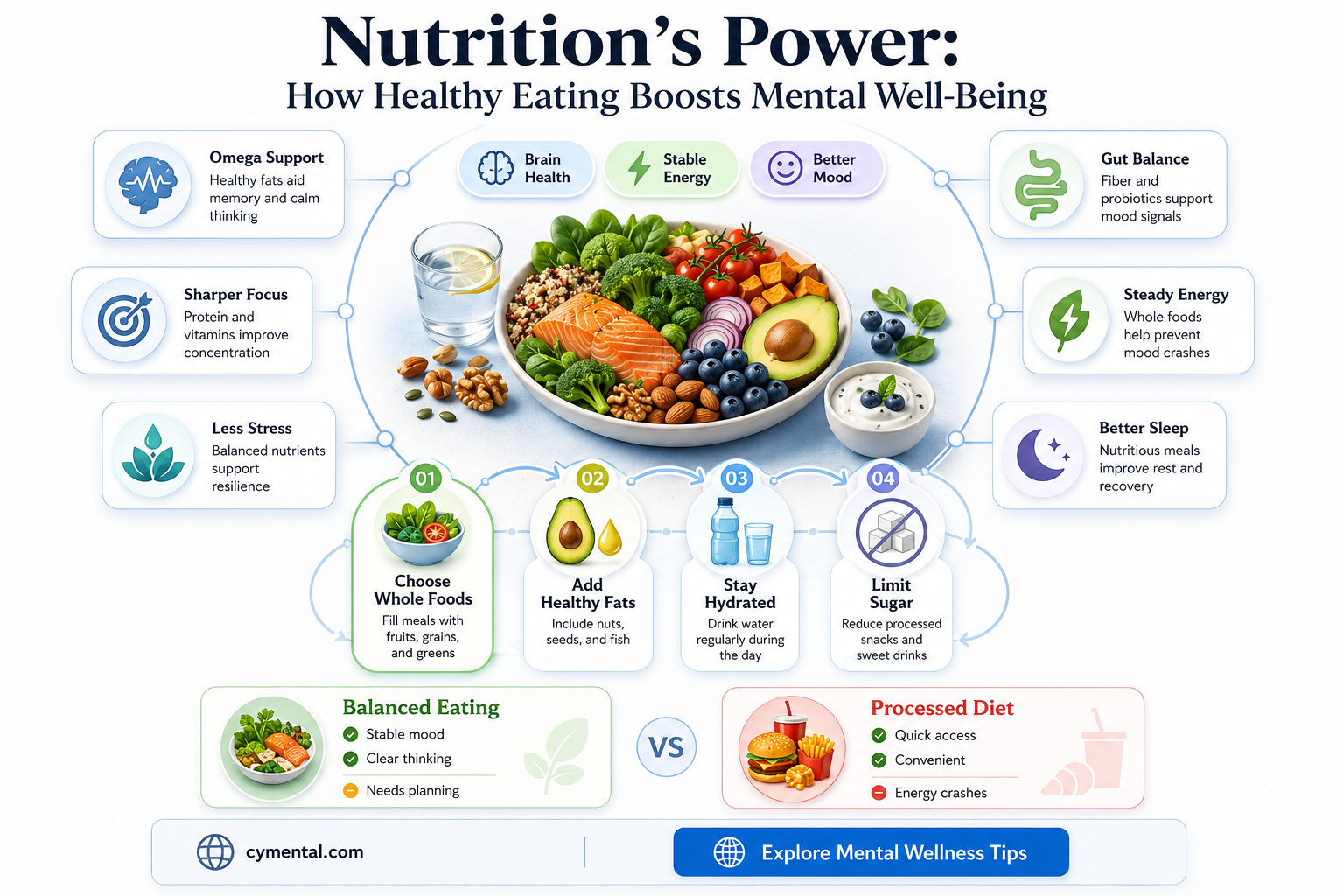
A healthy diet plays a pivotal role in supporting mental health by providing essential nutrients that nourish the brain and regulate mood. Foods rich in omega-3 fatty acids, such as fish and flaxseeds, promote cognitive function and reduce symptoms of depression and anxiety. Antioxidant-packed fruits and vegetables combat inflammation and oxidative stress, which are linked to mental health disorders. Whole grains and lean proteins stabilize blood sugar levels, preventing mood swings and irritability, while probiotics found in yogurt and fermented foods enhance gut health, which is closely connected to brain function through the gut-brain axis. By prioritizing a balanced diet, individuals can significantly improve their mental well-being and resilience to stress.
| Characteristics | Values |
|---|---|
| Reduces Inflammation | Chronic inflammation is linked to depression and anxiety. Anti-inflammatory diets (rich in fruits, vegetables, and omega-3 fatty acids) reduce inflammation, improving mood and cognitive function. |
| Supports Gut-Brain Axis | A healthy gut microbiome (supported by fiber, probiotics, and prebiotics) enhances neurotransmitter production (e.g., serotonin) and reduces stress-related symptoms. |
| Stabilizes Blood Sugar Levels | Whole foods and complex carbohydrates prevent blood sugar spikes, reducing irritability, fatigue, and mood swings associated with hypoglycemia. |
| Boosts Neurotransmitter Production | Nutrients like tryptophan (found in turkey, eggs), tyrosine (dairy, nuts), and omega-3s (fish, flaxseeds) support serotonin, dopamine, and norepinephrine synthesis, regulating mood and focus. |
| Reduces Oxidative Stress | Antioxidants (vitamins C, E, and polyphenols in berries, nuts, and leafy greens) combat oxidative stress, lowering the risk of depression and cognitive decline. |
| Improves Brain Structure | Nutrient-dense diets (e.g., Mediterranean diet) promote neuroplasticity, hippocampal volume, and gray matter density, enhancing memory and emotional resilience. |
| Lowers Risk of Mental Disorders | Diets rich in whole foods are associated with a 25-35% reduced risk of depression and anxiety, according to meta-analyses (e.g., Molecular Psychiatry, 2021). |
| Enhances Energy and Focus | Balanced diets provide steady energy, reducing brain fog and improving concentration, linked to better mental clarity and productivity. |
| Regulates Stress Hormones | Magnesium (spinach, almonds) and vitamin B (whole grains, legumes) help regulate cortisol levels, mitigating stress and anxiety. |
| Promotes Better Sleep | Nutrients like magnesium and melatonin (found in cherries, bananas) improve sleep quality, which is critical for emotional regulation and mental health. |
Explore related products



What You'll Learn
- Nutrient Impact: Essential nutrients like omega-3s and vitamins boost brain function and mood stability
- Gut-Brain Connection: A healthy gut microbiome improves mental health through neurotransmitter production
- Blood Sugar Stability: Balanced meals prevent mood swings by maintaining steady energy levels
- Inflammation Reduction: Anti-inflammatory foods lower mental health risks like depression and anxiety
- Stress Management: Magnesium-rich diets and hydration help reduce stress and promote relaxation

Nutrient Impact: Essential nutrients like omega-3s and vitamins boost brain function and mood stability
The brain, a voracious energy consumer, demands a constant supply of nutrients to function optimally. Think of it as a high-performance engine – it needs premium fuel for peak performance. Essential nutrients like omega-3 fatty acids and vitamins act as this premium fuel, directly impacting neurotransmitter production, neuronal communication, and overall brain structure.
Omega-3 fatty acids, particularly EPA and DHA, are the building blocks of brain cell membranes. Studies suggest a strong link between omega-3 deficiency and mood disorders like depression and anxiety. Aim for at least 250-500 mg of combined EPA and DHA daily, found abundantly in fatty fish like salmon, mackerel, and sardines. For vegetarians, flaxseeds, chia seeds, and walnuts offer plant-based sources, though conversion to the active forms (EPA and DHA) is less efficient. Consider supplements if dietary intake is insufficient, especially for individuals with limited access to fatty fish.
Opt for high-quality fish oil supplements with third-party testing for purity and potency.
Vitamins, particularly the B-complex group, play a crucial role in neurotransmitter synthesis. Vitamin B6, for instance, is essential for the production of serotonin, a neurotransmitter regulating mood, sleep, and appetite. Deficiencies in B vitamins have been linked to depression, fatigue, and cognitive decline. Include B-vitamin rich foods like leafy greens, whole grains, legumes, and lean proteins in your diet. For those with absorption issues or increased needs (pregnant women, older adults), supplementation under professional guidance may be beneficial.
Remember, while supplements can be helpful, they should complement, not replace, a balanced diet.
The impact of nutrient deficiencies on mental health can be subtle yet profound. A diet lacking in essential nutrients can lead to inflammation, oxidative stress, and impaired brain function, all contributing factors to mental health challenges. Conversely, a diet rich in omega-3s and vitamins can promote neuroplasticity, enhance cognitive function, and foster emotional resilience. Think of it as investing in your brain's long-term health – a well-nourished brain is better equipped to handle stress, regulate emotions, and maintain overall well-being.
Gym and Mind: How Physical Fitness Boosts Mental Well-Being
You may want to see also
Explore related products


Gut-Brain Connection: A healthy gut microbiome improves mental health through neurotransmitter production
The gut microbiome, often referred to as the "second brain," plays a pivotal role in mental health by producing neurotransmitters like serotonin, dopamine, and GABA. These chemical messengers, crucial for mood regulation, are synthesized not just in the brain but also in the gut, where trillions of microorganisms reside. For instance, 90% of the body’s serotonin, which stabilizes mood and promotes well-being, is produced in the gut. This biological link underscores why dietary choices directly influence mental health outcomes.
To harness the gut-brain connection, focus on prebiotic and probiotic-rich foods. Prebiotics, such as garlic, onions, and bananas, feed beneficial gut bacteria, while probiotics in fermented foods like yogurt, kefir, and kimchi introduce healthy microbes. A study published in *Psychopharmacology* found that participants who consumed probiotic-rich foods for four weeks reported reduced stress and improved mood compared to a control group. Aim for at least one serving of fermented foods daily and incorporate prebiotic sources into meals to nurture a thriving gut microbiome.
However, not all dietary choices support this connection. Highly processed foods, artificial sweeteners, and excessive sugar can disrupt gut flora, reducing neurotransmitter production and exacerbating anxiety or depression. For example, a diet high in refined sugars has been linked to decreased levels of BDNF (Brain-Derived Neurotrophic Factor), a protein essential for neuron health. To mitigate this, limit processed foods and opt for whole, fiber-rich alternatives like whole grains, legumes, and vegetables, which promote microbial diversity.
Practical steps include starting the day with a gut-friendly breakfast, such as oatmeal topped with berries and a spoonful of yogurt, or a smoothie with spinach, banana, and kefir. For those with dietary restrictions, consider supplements like psyllium husk for fiber or a high-quality probiotic, but consult a healthcare provider for personalized advice. Children and older adults, whose microbiomes may be more sensitive, can benefit from age-specific probiotic formulations. By prioritizing gut health through diet, individuals can actively support neurotransmitter production and, in turn, enhance mental well-being.
Labeling Mental Health: Empowerment or Stigma? Exploring Its Impact
You may want to see also
Explore related products





Blood Sugar Stability: Balanced meals prevent mood swings by maintaining steady energy levels
Fluctuating blood sugar levels can turn your emotional landscape into a rollercoaster, with highs and lows that mirror the spikes and crashes in your glucose. This isn’t just metaphorical—it’s physiological. When you consume a meal high in refined sugars or simple carbohydrates, your blood sugar surges, prompting a release of insulin to bring it back down. This rapid cycle can lead to irritability, anxiety, and even depression. Conversely, balanced meals that combine complex carbohydrates, lean proteins, healthy fats, and fiber slow the absorption of glucose, providing a steady stream of energy that keeps your mood stable.
Consider this: a breakfast of whole-grain toast with avocado and eggs versus a sugary cereal. The first option delivers sustained energy, while the second causes a quick spike followed by a slump. For adults, especially those over 40 or with prediabetic tendencies, this distinction is critical. A study published in *Diabetology & Metabolic Syndrome* found that individuals with stable blood sugar levels reported fewer symptoms of depression and anxiety. Practical tip: aim for meals where carbohydrates make up no more than 40-50% of your plate, with the rest divided between protein and healthy fats.
Children and adolescents, whose brains are still developing, are particularly vulnerable to blood sugar swings. A snack of apple slices with almond butter, for instance, provides fiber and protein to counteract the natural sugars in fruit, preventing the mood swings often seen after a juice box or candy bar. Parents can encourage this by keeping pre-portioned snacks like nuts, seeds, or Greek yogurt readily available. For teens, who often rely on convenience foods, educating them about the connection between diet and mood can empower better choices.
The science is clear: blood sugar stability isn’t just about physical health—it’s a cornerstone of mental well-being. A 2019 review in *Nutritional Neuroscience* highlighted that diets with a low glycemic load (those that release glucose slowly) are associated with reduced symptoms of depression and improved cognitive function. To implement this, start by swapping refined grains for whole grains, incorporating protein into every meal, and avoiding sugary beverages. Even small changes, like adding a handful of nuts to your morning oatmeal, can make a measurable difference.
In essence, stabilizing blood sugar through balanced meals is a practical, evidence-based strategy for emotional resilience. It’s not about restriction but about mindful choices that fuel both body and mind. By prioritizing this approach, you’re not just eating to live—you’re eating to thrive.
Edison Municipal Mental Health Support: Resources and Assistance Available
You may want to see also
Explore related products


Inflammation Reduction: Anti-inflammatory foods lower mental health risks like depression and anxiety
Chronic inflammation, often a silent culprit, has been increasingly linked to mental health disorders such as depression and anxiety. Research suggests that the immune system’s inflammatory response can disrupt neurotransmitter function and brain plasticity, contributing to these conditions. Enter anti-inflammatory foods—a dietary strategy that targets this root cause. Foods rich in omega-3 fatty acids (e.g., salmon, flaxseeds), antioxidants (e.g., berries, spinach), and polyphenols (e.g., turmeric, green tea) have been shown to reduce inflammation markers like C-reactive protein (CRP). A study in *Brain, Behavior, and Immunity* found that participants with higher anti-inflammatory diets had a 20% lower risk of depressive symptoms. This isn’t just about prevention; it’s about actively mitigating risk through what you eat.
To harness the power of anti-inflammatory foods, start by incorporating specific staples into your daily meals. Aim for at least two servings of fatty fish per week to meet the recommended 250–500 mg of omega-3s (EPA and DHA). For plant-based options, add a tablespoon of ground flaxseeds or chia seeds to smoothies or yogurt. Turmeric, a potent anti-inflammatory spice, can be paired with black pepper to enhance absorption—try it in curries or golden milk. Snack on walnuts, which provide both omega-3s and polyphenols, and swap refined oils for extra virgin olive oil, known for its oleocanthal, a compound with ibuprofen-like effects. Small, consistent changes like these can cumulatively reduce inflammation and its mental health impacts.
While anti-inflammatory foods are powerful, they’re not a standalone solution. Pair them with lifestyle habits that further combat inflammation, such as regular physical activity, adequate sleep, and stress management techniques like mindfulness or meditation. Be cautious of processed foods high in sugar, trans fats, and artificial additives, which can exacerbate inflammation. For those with pre-existing conditions, consult a healthcare provider or dietitian to tailor your approach. For instance, older adults may benefit from higher omega-3 intake due to age-related inflammation, while younger individuals might focus on antioxidant-rich fruits and vegetables. The goal is to create a holistic anti-inflammatory lifestyle, not just a temporary diet.
The evidence is clear: reducing inflammation through diet can significantly lower the risk of depression and anxiety. A 2019 meta-analysis in *Clinical Nutrition* found that diets high in anti-inflammatory foods were associated with a 13% reduction in anxiety symptoms. This isn’t about restrictive eating but about mindful choices that nourish both body and mind. Start small—swap one pro-inflammatory food for an anti-inflammatory alternative each week. Track your mood and energy levels over time to observe the impact. By viewing food as a tool for mental wellness, you empower yourself to take proactive steps toward a healthier, more resilient mind.
Vape Pen Oil for Kids' Mental Health: Safe or Risky?
You may want to see also
Explore related products


Stress Management: Magnesium-rich diets and hydration help reduce stress and promote relaxation
Stress, an inevitable part of life, often feels like an unshakable companion. Yet, the foods we consume and the fluids we drink can significantly influence our body’s ability to manage it. Magnesium, a mineral found in leafy greens, nuts, seeds, and whole grains, plays a pivotal role in regulating the body’s stress response. Studies show that magnesium deficiency is linked to heightened anxiety and tension, as it helps modulate neurotransmitters like GABA, which promote relaxation. For adults, the recommended daily intake is 310–420 mg, depending on age and sex. Incorporating magnesium-rich foods like spinach, almonds, or pumpkin seeds into your diet can be a simple yet effective strategy to keep stress at bay.
Hydration, often overlooked, is another critical component of stress management. Dehydration, even at a mild level, can elevate cortisol—the stress hormone—and impair cognitive function, making daily pressures feel more overwhelming. Aim for 8–10 cups of water daily, adjusting for activity level and climate. Herbal teas, coconut water, and water-rich foods like cucumbers and watermelon can also contribute to hydration. Pairing hydration with magnesium intake amplifies its calming effects, as proper fluid balance ensures optimal mineral absorption.
Consider this practical approach: start your day with a magnesium-rich breakfast, such as a smoothie with spinach, banana, and almond butter. Carry a reusable water bottle to track fluid intake, and set reminders if needed. For those struggling to meet magnesium needs through diet alone, supplements like magnesium glycinate (200–400 mg daily) can be beneficial, but consult a healthcare provider first. Avoid excessive caffeine and alcohol, as they deplete magnesium and disrupt hydration.
The synergy between magnesium and hydration offers a natural, accessible way to combat stress. While it’s not a cure-all, this dietary strategy complements other stress-relief practices like mindfulness or exercise. By prioritizing these elements, you empower your body to respond to stress with greater resilience, fostering a sense of calm in even the most chaotic moments. Small, consistent changes in diet and hydration habits can yield profound mental health benefits over time.
Daily Learning Boosts Mental Health: Unlocking Cognitive Benefits Every Day
You may want to see also
Frequently asked questions
A healthy diet rich in nutrients like omega-3 fatty acids, vitamins, and minerals supports brain function and neurotransmitter production, which can stabilize mood, reduce anxiety, and improve overall emotional well-being.
Yes, foods high in antioxidants, fiber, and healthy fats (e.g., fruits, vegetables, nuts, and fatty fish) have been linked to lower rates of depression by reducing inflammation and promoting brain health.
A balanced diet helps regulate cortisol, the stress hormone, by providing steady energy and essential nutrients. Avoiding excessive sugar and caffeine can also prevent stress spikes.
Absolutely. Diets like the Mediterranean diet, rich in whole grains, fruits, vegetables, and healthy fats, are associated with better cognitive function and a reduced risk of age-related mental decline.
Yes, diets high in processed foods, sugar, and unhealthy fats can increase inflammation and disrupt brain chemistry, potentially exacerbating symptoms of anxiety, ADHD, and other mental health conditions.