Caleb Wright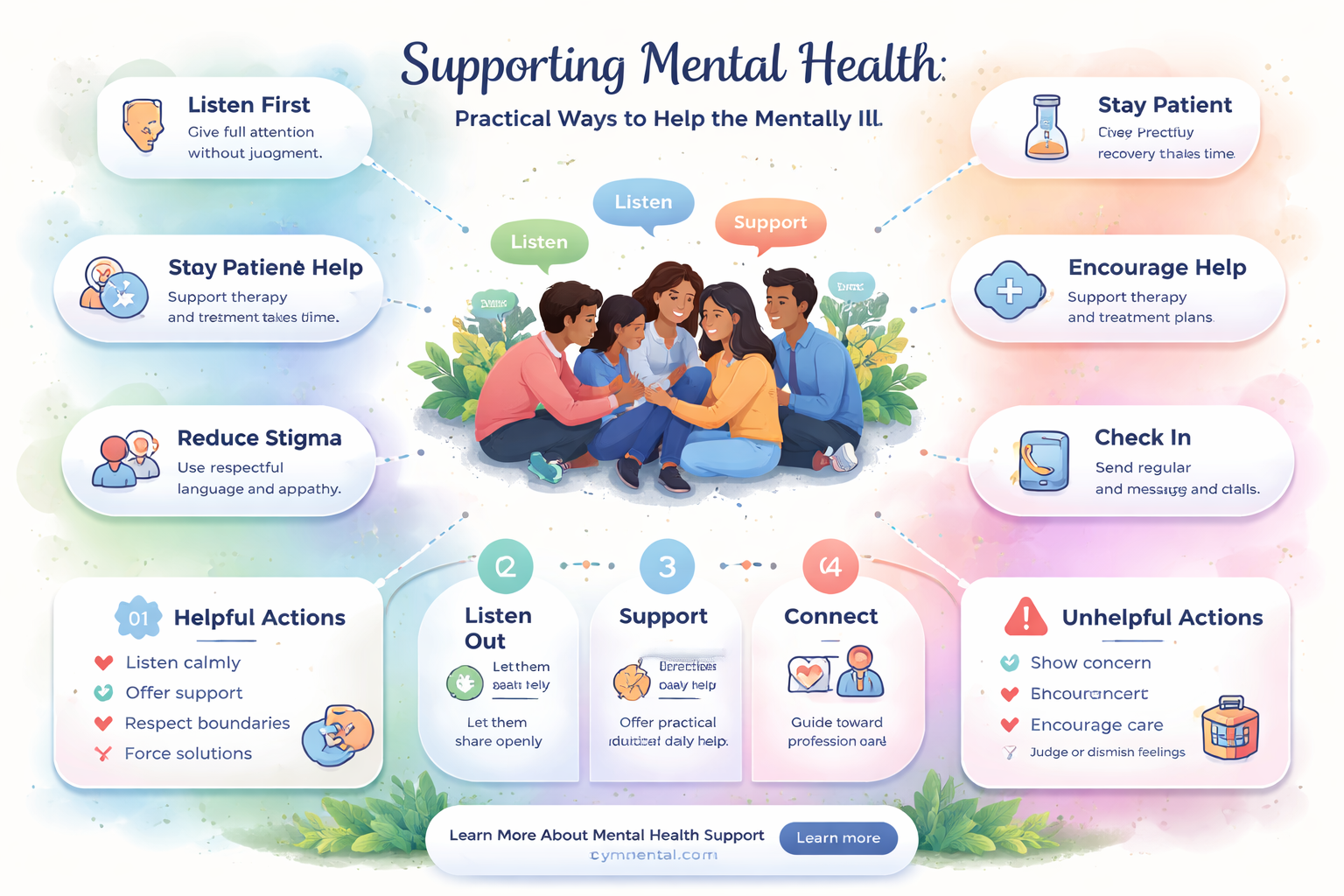
Helping individuals with mental illness requires compassion, understanding, and proactive support. One of the most effective ways to assist is by fostering open communication, actively listening without judgment, and encouraging them to seek professional help. Educating oneself about mental health reduces stigma and enables better support. Small gestures, such as checking in regularly, offering companionship, or helping with daily tasks, can make a significant difference. Additionally, advocating for mental health resources and policies ensures broader systemic support. Ultimately, creating a safe, non-judgmental environment and being patient and consistent in one’s efforts can profoundly impact the well-being of those struggling with mental illness.
Explore related products


What You'll Learn
- Listen without judgment: Offer a safe space for open conversations about their feelings and experiences
- Educate yourself: Learn about mental health conditions to better understand and support them
- Encourage professional help: Gently suggest therapy, medication, or support groups as needed
- Be patient and consistent: Mental illness takes time; maintain steady support without pressure
- Promote self-care: Encourage healthy habits like exercise, sleep, and mindfulness for well-being

Listen without judgment: Offer a safe space for open conversations about their feelings and experiences
One of the most powerful ways to support someone struggling with mental health is to simply listen. Not with the intent to fix, advise, or judge, but to create a space where they feel heard and understood. This act of non-judgmental listening can be transformative, allowing individuals to express their emotions freely and process their experiences without fear of criticism or dismissal. It’s a cornerstone of empathy, fostering trust and connection in a way that few other actions can.
To listen without judgment, start by setting aside your assumptions and biases. Avoid interrupting or offering solutions unless explicitly asked. Instead, use open-ended questions like, “How does that feel for you?” or “Can you tell me more about that?” to encourage them to share at their own pace. Maintain eye contact (if culturally appropriate) and use nonverbal cues like nodding to show engagement. If they share something difficult, resist the urge to minimize their experience with phrases like “It could be worse” or “Just think positively.” These responses, though well-intentioned, can invalidate their feelings and shut down the conversation.
Creating a safe space goes beyond the act of listening itself. It involves being mindful of the environment and your own reactions. Choose a quiet, private setting where the person feels comfortable. Be aware of your tone and body language—a calm, neutral demeanor can help them feel at ease. If they express something that’s hard to hear, acknowledge their courage in sharing it. For example, say, “Thank you for trusting me with that,” rather than reacting with shock or discomfort. This reinforces that the space is truly safe for vulnerability.
The impact of listening without judgment cannot be overstated. It validates the individual’s experiences, reduces feelings of isolation, and can even encourage them to seek professional help when needed. Research shows that feeling heard activates the brain’s reward centers, promoting emotional well-being. However, it’s important to recognize your limits. If the conversation becomes overwhelming or you’re unsure how to respond, it’s okay to say, “I’m here for you, and I want to make sure you get the support you need. Have you considered talking to a therapist or counselor?” This approach balances empathy with practicality, ensuring they receive appropriate care.
In practice, listening without judgment is a skill that requires patience and self-awareness. It’s not about being a perfect listener but about being present and genuine. Start small—offer to listen when they’re ready, and let them set the pace. Over time, this simple yet profound act can build a foundation of trust and support that makes a lasting difference in their mental health journey. Remember, sometimes the greatest gift you can give is your undivided, non-judgmental attention.
Seeking Mental Health Support: A Guide to Finding the Right Help
You may want to see also
Explore related products


Educate yourself: Learn about mental health conditions to better understand and support them
Misconceptions about mental illness persist, often rooted in stigma and lack of accurate information. Educating yourself about specific conditions dismantles these myths, replacing fear with empathy. For instance, understanding that depression isn’t simply "feeling sad" but a complex interplay of biological, psychological, and environmental factors shifts the narrative from judgment to support. Reliable sources like the National Alliance on Mental Illness (NAMI) or the World Health Organization (WHO) offer evidence-based insights into conditions such as anxiety disorders, bipolar disorder, and schizophrenia. By learning the symptoms, triggers, and treatment options, you can approach conversations with sensitivity and avoid perpetuating harmful stereotypes.
Start with the basics: familiarize yourself with common mental health terms and their clinical definitions. For example, "psychosis" refers to a disconnection from reality, often involving hallucinations or delusions, while "anxiety" encompasses a spectrum of disorders, from generalized anxiety to panic attacks. Online courses, such as those offered by Mental Health First Aid, provide structured learning paths tailored to different age groups and contexts. For parents, understanding adolescent mental health challenges, like the onset of eating disorders or self-harm, equips them to intervene early. Similarly, employers can benefit from training on workplace mental health to foster inclusive environments.
A critical aspect of education is recognizing the diversity of experiences within each diagnosis. Two individuals with PTSD may exhibit vastly different symptoms—one may become hypervigilant, while another withdraws socially. This variability underscores the importance of avoiding assumptions and listening actively. Books like *The Body Keeps the Score* by Bessel van der Kolk or podcasts like *The Hilarious World of Depression* offer nuanced perspectives, blending personal narratives with scientific explanations. Engaging with these resources fosters a deeper appreciation for the lived realities of mental illness.
Practical application of knowledge is key. For instance, knowing that someone with OCD isn’t just "neat" but struggles with intrusive thoughts and compulsive behaviors can guide how you respond to their rituals. Instead of dismissing their actions as "over the top," you might offer reassurance or help them access professional support. Similarly, understanding the role of medication—like SSRIs for depression or mood stabilizers for bipolar disorder—can dispel misconceptions about dependency or side effects. Sharing this knowledge respectfully, without overstepping boundaries, builds trust and encourages open dialogue.
Finally, education is an ongoing process. Mental health research evolves rapidly, with new therapies like transcranial magnetic stimulation (TMS) or digital cognitive-behavioral therapy (CBT) apps emerging regularly. Subscribing to newsletters from organizations like the American Psychological Association (APA) or following reputable mental health advocates on social media keeps you informed. By committing to continuous learning, you not only enhance your ability to support others but also contribute to a culture of compassion and understanding. After all, knowledge isn’t just power—it’s a bridge to connection.
Mental Health Programs: Long-Term Benefits for Students' Well-Being and Success
You may want to see also
Explore related products




Encourage professional help: Gently suggest therapy, medication, or support groups as needed
Professional intervention is often a cornerstone of effective mental health treatment, yet many individuals hesitate to seek it. Recognizing this, your role can be pivotal in guiding someone toward therapy, medication, or support groups. Start by normalizing the conversation around mental health care. For instance, instead of saying, "You should see a therapist," try, "Therapy has helped many people in similar situations—have you considered it?" This approach reduces stigma and opens the door for further discussion.
When suggesting medication, be mindful of its complexities. Antidepressants like SSRIs (e.g., fluoxetine) often require 4–6 weeks to take effect, and dosages may need adjustment under a psychiatrist’s supervision. Avoid framing medication as a quick fix; instead, emphasize it as one tool in a broader treatment plan. For example, "Medication can help balance brain chemistry, but it’s usually most effective when paired with therapy or lifestyle changes." This balanced perspective respects the individual’s autonomy while providing actionable information.
Support groups offer a unique benefit: community. Organizations like the National Alliance on Mental Illness (NAMI) provide peer-led programs for adults and families. When recommending these, highlight their accessibility and anonymity. For instance, "Support groups can be a safe space to share experiences without judgment—many are free and available online or in-person." Tailor your suggestion to their preferences; someone who values privacy might prefer an online group, while another may thrive in face-to-face interactions.
Encouraging professional help requires sensitivity to timing and tone. Avoid pressuring or lecturing; instead, listen actively and respond to their concerns. For example, if they express fear of therapy, acknowledge their anxiety and share relatable examples: "Starting therapy can feel daunting, but many people find it less intimidating after the first session." By framing professional help as a collaborative step rather than a last resort, you empower them to take control of their mental health journey.
Gratitude's Power: Enhancing Mental Health and Emotional Well-being
You may want to see also
Explore related products


Be patient and consistent: Mental illness takes time; maintain steady support without pressure
Recovery from mental illness is a marathon, not a sprint. Unlike a broken bone that mends in a predictable timeframe, mental health struggles often involve setbacks, plateaus, and nonlinear progress. This reality demands a shift in perspective for those offering support. Impatience, though understandable, can be counterproductive, inadvertently adding pressure to an already burdened individual.
Imagine urging a seed to sprout faster; it simply doesn't work. Similarly, pushing someone to "get better" quicker can lead to feelings of inadequacy and shame, hindering their journey.
Consistency is the cornerstone of effective support. Think of it as tending a fragile plant. Sporadic watering and sunlight won't nurture growth. Regular, predictable care, even in small doses, fosters resilience. This translates to checking in regularly, even if it's a brief text message or a short phone call. It means being present, not just physically but emotionally, offering a listening ear without judgment or unsolicited advice.
Think of it as creating a safe haven, a space where the individual feels accepted and understood, regardless of their current state.
This doesn't mean you become a 24/7 therapist. Setting boundaries is crucial for your own well-being. Consistency doesn't equate to constant availability. It's about establishing a reliable pattern of support that the individual can count on. This could be a weekly coffee date, a daily check-in text, or simply letting them know you're there if they need to talk. Remember, the goal is to provide a steady anchor, not to shoulder the entire weight of their struggle.
Patience and consistency are acts of profound empathy. They acknowledge the complexity of mental illness and respect the individual's unique journey. By offering unwavering support without pressure, you become a vital part of their healing process, fostering hope and resilience in the face of adversity.
Supporting Through Crisis: Texting Tips for Mental Breakdown Assistance
You may want to see also
Explore related products


Promote self-care: Encourage healthy habits like exercise, sleep, and mindfulness for well-being
Self-care isn’t just a buzzword—it’s a cornerstone of mental health. For those struggling with mental illness, establishing healthy habits can feel overwhelming, but small, consistent changes yield significant results. Start by encouraging regular physical activity, even if it’s just a 10-minute walk daily. Exercise releases endorphins, which act as natural mood lifters, and structured routines provide a sense of accomplishment. Pair this with a sleep schedule that prioritizes 7–9 hours of rest, as sleep deprivation exacerbates symptoms like anxiety and depression. Mindfulness practices, such as deep breathing or guided meditation, can ground individuals in the present moment, reducing the mental noise that often accompanies mental illness.
Consider this: a 20-year-old with generalized anxiety disorder might benefit from a morning jog followed by a 5-minute mindfulness app session before bed. For older adults, low-impact activities like yoga or tai chi combine physical movement with mental focus, addressing both body and mind. The key is tailoring these habits to the individual’s preferences and energy levels. For instance, someone who dislikes running might enjoy dancing or swimming instead. The goal isn’t perfection but progress—celebrate small wins, like three nights of consistent sleep or a week of daily stretching.
Practicality matters. Suggest setting alarms for bedtime and wake-up times to regulate sleep patterns. For mindfulness, apps like Headspace or Calm offer beginner-friendly guided sessions as short as 3 minutes. Exercise doesn’t require a gym membership; bodyweight exercises or household chores like gardening count. Hydration and nutrition play a role too—encourage drinking water and eating balanced meals to fuel both body and brain. Remember, self-care isn’t selfish; it’s essential for resilience and recovery.
A cautionary note: avoid pushing too hard. For someone in the depths of depression, suggesting a marathon might feel dismissive. Instead, frame self-care as an act of kindness, not a chore. Offer to join them in these activities—accountability can be motivating. Also, be mindful of cultural or financial barriers; not everyone has access to yoga studios or organic groceries. Adapt suggestions to fit their reality, whether it’s a free YouTube workout or a simple breathing exercise.
In conclusion, promoting self-care through exercise, sleep, and mindfulness isn’t about transforming lives overnight. It’s about planting seeds of habit that grow into tools for managing mental illness. By meeting individuals where they are and offering practical, personalized guidance, you empower them to take control of their well-being, one step—or stretch, or breath—at a time.
Praying for Peace: Exploring the Mental Health Benefits of Prayer
You may want to see also
Frequently asked questions
Listen without judgment, educate yourself about their condition, encourage professional help, and offer practical support like helping with daily tasks or accompanying them to appointments.
Organize educational events, share reliable resources on social media, participate in mental health campaigns, and engage local leaders to promote mental health initiatives.
Look for local mental health organizations, crisis hotlines, or support groups that need volunteers, complete any required training, and commit to providing compassionate and non-judgmental assistance.
Stay calm, listen actively, encourage them to seek professional help, and if they are at risk of harm, contact emergency services or a crisis hotline immediately.