Harper Lewis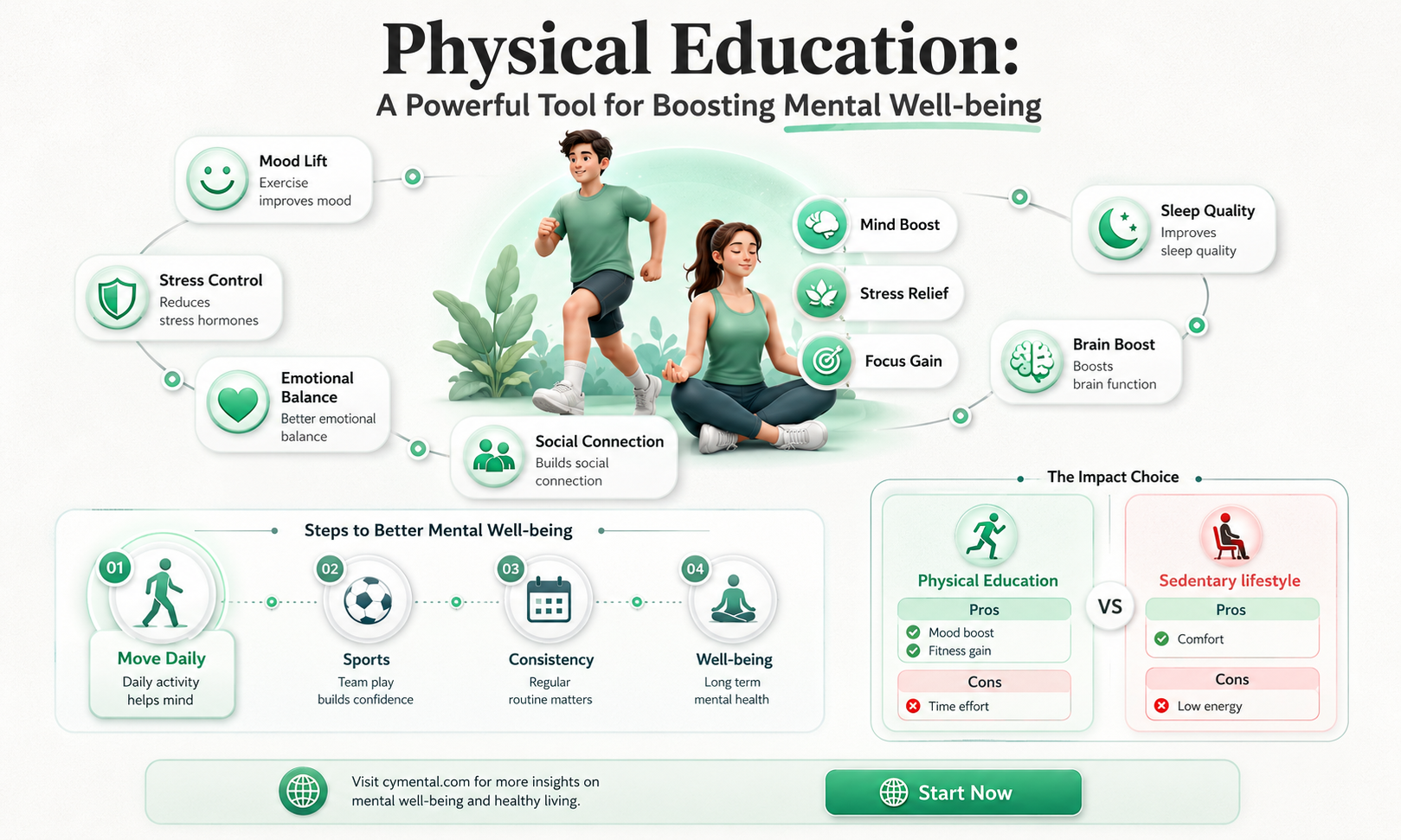
Physical education (PE) plays a crucial role in supporting mental health by providing a structured outlet for physical activity, which has been proven to reduce stress, anxiety, and symptoms of depression. Engaging in regular exercise during PE classes releases endorphins, often referred to as feel-good hormones, which can improve mood and overall emotional well-being. Additionally, PE fosters social interaction, teamwork, and a sense of accomplishment, all of which contribute to building self-esteem and resilience. By incorporating mindfulness, goal-setting, and stress-relief techniques, PE can also teach students valuable coping skills for managing mental health challenges, making it an essential component of holistic well-being.
| Characteristics | Values |
|---|---|
| Reduces Stress and Anxiety | Physical activity stimulates the release of endorphins, which act as natural stress relievers and mood boosters. Studies show regular exercise can reduce symptoms of anxiety by 20-30% (Source: Anxiety and Depression Association of America, 2023). |
| Improves Mood and Combats Depression | Exercise increases serotonin and dopamine levels, improving mood and reducing depressive symptoms. A 2022 meta-analysis found that physical activity interventions significantly reduced depression severity (Source: JAMA Psychiatry). |
| Enhances Cognitive Function | Regular physical activity improves memory, attention, and problem-solving skills by promoting neuroplasticity and brain-derived neurotrophic factor (BDNF) production (Source: British Journal of Sports Medicine, 2023). |
| Boosts Self-Esteem and Confidence | Achieving fitness goals and improving physical abilities can enhance self-worth and body image, contributing to higher self-esteem (Source: Psychology of Sport and Exercise, 2021). |
| Promotes Better Sleep | Exercise regulates sleep patterns, improving sleep quality and duration, which is crucial for mental health (Source: Sleep Medicine Reviews, 2023). |
| Provides Social Interaction | Team sports and group exercises foster social connections, reducing feelings of loneliness and isolation, which are risk factors for mental health issues (Source: American Psychological Association, 2022). |
| Reduces Symptoms of ADHD | Physical activity helps improve focus and reduce hyperactivity in individuals with ADHD by increasing dopamine and norepinephrine levels (Source: Journal of Attention Disorders, 2023). |
| Manages PTSD Symptoms | Exercise has been shown to reduce hyperarousal and re-experiencing symptoms in individuals with PTSD by regulating stress hormones (Source: Journal of Traumatic Stress, 2022). |
| Encourages Mindfulness and Relaxation | Activities like yoga and tai chi combine physical movement with mindfulness, reducing stress and improving emotional regulation (Source: Frontiers in Psychiatry, 2023). |
| Long-Term Mental Health Benefits | Consistent physical activity is associated with a reduced risk of developing mental health disorders later in life, including dementia and depression (Source: The Lancet Psychiatry, 2023). |
Explore related products





What You'll Learn
- Stress Reduction: Physical activity lowers stress hormones, promoting relaxation and mental clarity
- Mood Enhancement: Exercise releases endorphins, boosting mood and reducing symptoms of depression
- Cognitive Benefits: Improves focus, memory, and academic performance through increased brain function
- Social Connection: Team sports foster camaraderie, reducing loneliness and improving emotional well-being
- Anxiety Management: Regular physical activity helps regulate anxiety levels and promotes calmness

Stress Reduction: Physical activity lowers stress hormones, promoting relaxation and mental clarity
Stress hormones like cortisol surge in response to daily pressures, clouding focus and exacerbating anxiety. Physical activity acts as a biochemical counterbalance, reducing cortisol levels while triggering the release of endorphins, the body’s natural mood elevators. A 30-minute brisk walk or 20-minute jog can initiate this hormonal shift, making it an accessible tool for all ages. For adolescents, incorporating short bursts of activity during study breaks can mitigate exam-related stress, while adults may benefit from structured workouts to offset workplace tension. The key lies in consistency—regular movement, not intensity, sustains this hormonal equilibrium.
Consider the mechanics: during exercise, the brain’t shifts from stress-induced hyperactivity to a state of rhythmic focus. This mental recalibration mirrors meditation but with the added benefit of physical exertion. For instance, yoga combines movement with breath control, amplifying relaxation. A study published in *Psychosomatic Medicine* found that participants who engaged in mindful movement practices experienced a 26% reduction in perceived stress levels compared to sedentary controls. Practical tip: pair aerobic exercises like cycling or swimming with mindfulness techniques to maximize stress reduction.
Not all activities yield equal results. High-intensity interval training (HIIT) can temporarily spike cortisol but ultimately lowers baseline levels when done 2-3 times weekly. In contrast, low-impact activities like tai chi or gardening provide immediate relaxation without hormonal fluctuations, ideal for older adults or those with chronic stress. Caution: overtraining can reverse benefits, so monitor fatigue and prioritize rest days. Tailoring activity type and duration to individual stress triggers ensures sustainable mental clarity.
The workplace offers a prime application. Companies integrating short, guided stretching sessions or walking meetings report improved employee focus and reduced burnout. Schools adopting "brain breaks"—5-minute physical activities during lessons—see enhanced student attention and emotional regulation. These micro-interventions demonstrate that stress reduction through movement need not be time-consuming. Start small: swap one sedentary hour weekly for active engagement, gradually increasing frequency as resilience builds.
Ultimately, physical activity’s role in stress reduction is both preventative and therapeutic. By lowering cortisol and fostering endorphin release, it creates a physiological buffer against life’s pressures. Whether through structured workouts or incidental movement, the goal is to embed activity into daily routines. For maximum impact, combine aerobic exercises with mindful practices, adjust intensity based on age and fitness level, and track progress through stress journals or wearable tech. In a world where stress is inevitable, movement becomes not just a choice but a necessity for mental clarity.
Struggling Alone: Overcoming Barriers to Accessing Mental Health Support
You may want to see also
Explore related products

$12.86 $15.95

$26.99 $13.95


Mood Enhancement: Exercise releases endorphins, boosting mood and reducing symptoms of depression
Exercise acts as a natural antidepressant, harnessing the body’s chemistry to combat low mood. When you engage in physical activity, your brain releases endorphins, often referred to as "feel-good" hormones. These chemicals interact with receptors in your brain to reduce pain perception and trigger positive feelings. For instance, a 30-minute brisk walk or jog can elevate endorphin levels, providing an immediate mood lift. This biochemical response is why many people report feeling more optimistic and energized after a workout, even if it’s just a short session.
To maximize mood enhancement, consistency is key. Research suggests that moderate-intensity exercise, such as cycling or swimming, performed for 30 minutes, three to five times a week, can significantly reduce symptoms of depression. For adolescents and young adults, incorporating team sports or group fitness classes can add a social element, amplifying the emotional benefits. Older adults may find low-impact activities like yoga or tai chi equally effective, as these practices combine physical movement with mindfulness, further boosting mental well-being.
However, it’s important to tailor the type and intensity of exercise to individual needs. Overdoing it can lead to fatigue or injury, which may counteract the positive effects. Start with shorter sessions and gradually increase duration and intensity. For those with severe depression or anxiety, consulting a healthcare provider before beginning a new exercise regimen is advisable. Practical tips include scheduling workouts at the same time daily to build habit, choosing activities you enjoy to stay motivated, and tracking progress to visualize improvements in mood over time.
The link between exercise and mood isn’t just anecdotal—it’s backed by science. Studies show that regular physical activity can be as effective as medication or therapy for mild to moderate depression in some cases. For example, a meta-analysis published in *JAMA Psychiatry* found that exercise interventions significantly reduced depressive symptoms across diverse populations. This evidence underscores the power of movement as a tool for mental health, offering a cost-effective and accessible strategy for mood enhancement.
Incorporating physical education into daily life doesn’t require a gym membership or expensive equipment. Simple activities like dancing, gardening, or even taking the stairs instead of the elevator can contribute to endorphin release. Schools and workplaces can play a role by promoting active breaks or integrating movement into routines. By prioritizing physical activity, individuals can harness its mood-boosting potential, creating a sustainable foundation for mental well-being.
Gym and Mind: How Physical Fitness Boosts Mental Well-Being
You may want to see also
Explore related products




Cognitive Benefits: Improves focus, memory, and academic performance through increased brain function
Physical activity isn’t just about building muscles or burning calories—it’s a powerful tool for sharpening the mind. Research consistently shows that regular exercise, particularly through structured physical education programs, enhances cognitive functions like focus, memory, and academic performance. This happens because physical activity increases blood flow to the brain, stimulates the release of neurotransmitters like dopamine and serotonin, and promotes the growth of new neurons, particularly in the hippocampus, a region critical for memory. For instance, a study published in the *Journal of Pediatrics* found that children who engaged in daily physical activity demonstrated better attention spans and higher test scores compared to their less active peers.
To harness these benefits, consider incorporating specific types of physical activity into daily routines. Aerobic exercises, such as running, swimming, or cycling, are particularly effective for boosting brain function. Aim for at least 60 minutes of moderate-to-vigorous physical activity daily for children and adolescents, as recommended by the World Health Organization. For adults, 150 minutes of moderate aerobic exercise per week can yield similar cognitive improvements. Pairing aerobic exercise with activities requiring coordination, like dance or team sports, can further enhance focus and cognitive flexibility.
However, it’s not just about quantity—quality matters too. Structured physical education programs that include cognitive challenges, such as problem-solving games or skill-based drills, amplify these benefits. For example, a soccer practice that involves strategizing plays or a gymnastics class that demands precision and memory recall can engage both the body and mind simultaneously. Schools and educators should design PE curricula that integrate cognitive tasks to maximize these dual advantages.
One practical tip for parents and educators is to encourage “brain breaks” during study sessions. A 10-minute burst of physical activity, like jumping jacks or a quick game of tag, can reset focus and improve information retention. For older students, incorporating mindfulness movements, such as yoga or tai chi, can reduce stress while enhancing concentration. These small, consistent efforts can lead to significant improvements in academic performance and overall cognitive health.
Finally, it’s crucial to tailor physical activity to individual needs and preferences. Not everyone thrives in competitive sports, and forcing participation can be counterproductive. Instead, offer a variety of options—from martial arts to hiking—to ensure engagement. For younger children, make it playful; for teenagers, emphasize autonomy and choice. By personalizing physical education, we can unlock its full potential to improve focus, memory, and academic success across all age groups.
CoQ10 and Mental Clarity: Can It Reduce Confusion?
You may want to see also
Explore related products




Social Connection: Team sports foster camaraderie, reducing loneliness and improving emotional well-being
Human beings are inherently social creatures, and our mental health thrives on meaningful connections. Team sports, a cornerstone of physical education, provide a powerful platform for fostering these connections. Through shared goals, collaborative effort, and the inevitable triumphs and setbacks, teammates forge bonds that extend beyond the playing field.
Imagine the exhilaration of scoring a winning goal, the shared disappointment of a missed opportunity, or the collective determination to improve after a tough loss. These experiences, unique to team sports, create a sense of belonging and camaraderie that combats loneliness and nurtures emotional well-being.
Research consistently demonstrates the positive impact of social connection on mental health. Studies show that individuals with strong social support networks experience lower rates of depression, anxiety, and stress. Team sports, by their very nature, cultivate these networks, providing a built-in community for individuals of all ages.
Consider the adolescent navigating the complexities of puberty and social identity. Joining a school basketball team offers not just physical activity but a sense of belonging to a group with shared interests and challenges. The encouragement of teammates during a difficult practice or the celebration of a victory can significantly boost self-esteem and resilience.
For adults, team sports can be a lifeline against the isolating effects of busy schedules and demanding careers. A weekly soccer match becomes more than just exercise; it's a chance to reconnect with friends, share experiences, and unwind from the pressures of daily life. The social aspect of team sports provides a valuable outlet for stress relief and fosters a sense of community that extends beyond the playing field.
Even for older adults, team sports adapted for different fitness levels can combat social isolation and promote cognitive health. Think of a group of seniors enjoying a game of modified volleyball, laughing together, and supporting each other through the physical activity. This not only improves physical health but also combats loneliness and promotes a sense of purpose.
Incorporating team sports into physical education programs is a powerful strategy for promoting mental well-being across all age groups. By fostering camaraderie and reducing loneliness, team sports provide a unique and effective tool for building resilience and enhancing emotional health.
Mental Health Support: A Key to Preventing School Shootings?
You may want to see also
Explore related products






Anxiety Management: Regular physical activity helps regulate anxiety levels and promotes calmness
Anxiety, a pervasive mental health challenge, often manifests as a relentless hum of worry, disrupting focus and diminishing quality of life. Regular physical activity emerges as a potent antidote, offering a natural and accessible way to recalibrate the nervous system. Studies show that aerobic exercises like jogging, swimming, or cycling for 30 minutes, three to five times a week, can significantly reduce anxiety symptoms by increasing the production of endorphins, the body’s natural mood elevators. This biochemical shift not only dampens the physiological markers of anxiety, such as elevated heart rate and cortisol levels, but also fosters a sense of accomplishment and control, breaking the cycle of anxious thoughts.
Consider the mechanism at play: physical activity acts as a form of stress inoculation. When you engage in moderate-intensity exercise, your body experiences controlled stress, which over time, teaches it to respond more efficiently to real-life stressors. For instance, high-intensity interval training (HIIT) has been shown to improve emotional resilience by enhancing the brain’s ability to regulate fear responses. Even low-impact activities like yoga or tai chi, practiced for 20–30 minutes daily, can activate the parasympathetic nervous system, promoting relaxation and reducing the hypervigilance often associated with anxiety disorders.
For adolescents and young adults, who are particularly vulnerable to anxiety due to academic, social, and hormonal pressures, incorporating physical education into daily routines can be transformative. Schools that integrate mindfulness-based movement programs, such as yoga or martial arts, report lower anxiety levels among students. These activities not only improve physical fitness but also teach breathing techniques and mindfulness, which are critical tools for managing anxiety. Parents and educators can encourage participation by making these activities social, such as organizing group hikes or dance classes, which add a layer of emotional support.
Practical implementation is key. Start small and build consistency. For those new to exercise, begin with 10–15 minutes of brisk walking or stretching daily, gradually increasing duration and intensity. Pair physical activity with outdoor environments whenever possible, as exposure to nature has been shown to amplify the anxiety-reducing effects of exercise. Apps or journals can help track progress, providing tangible evidence of improvement, which can be particularly motivating for individuals struggling with anxiety. Remember, the goal isn’t perfection but persistence—even on difficult days, a short walk or gentle stretch can make a difference.
Finally, while physical activity is a powerful tool, it’s not a standalone solution for severe anxiety disorders. It should complement, not replace, professional treatment. However, for many, it serves as a first line of defense, offering immediate relief and long-term resilience. By integrating regular movement into daily life, individuals can reclaim agency over their mental health, turning anxiety from an overwhelming force into a manageable challenge. The body’s capacity to heal the mind is profound—all it takes is the first step.
Art Therapy: Healing Minds Through Creative Expression and Self-Discovery
You may want to see also
Frequently asked questions
Physical education improves mental health by reducing stress, anxiety, and depression through the release of endorphins, promoting better sleep, and providing a sense of accomplishment and self-esteem.
Yes, PE helps manage anxiety and stress by encouraging physical activity, which lowers cortisol levels and increases the production of mood-enhancing chemicals like serotonin and dopamine.
Absolutely, regular physical activity in PE enhances cognitive function, improves concentration, and boosts memory, leading to better academic performance and overall mental clarity.
PE fosters teamwork, communication, and social interaction, which can reduce feelings of isolation and improve emotional resilience and self-confidence.
Yes, engaging in physical education can alleviate symptoms of depression by increasing physical activity, providing structure, and offering opportunities for social connection and positive reinforcement.