Ava Ramirez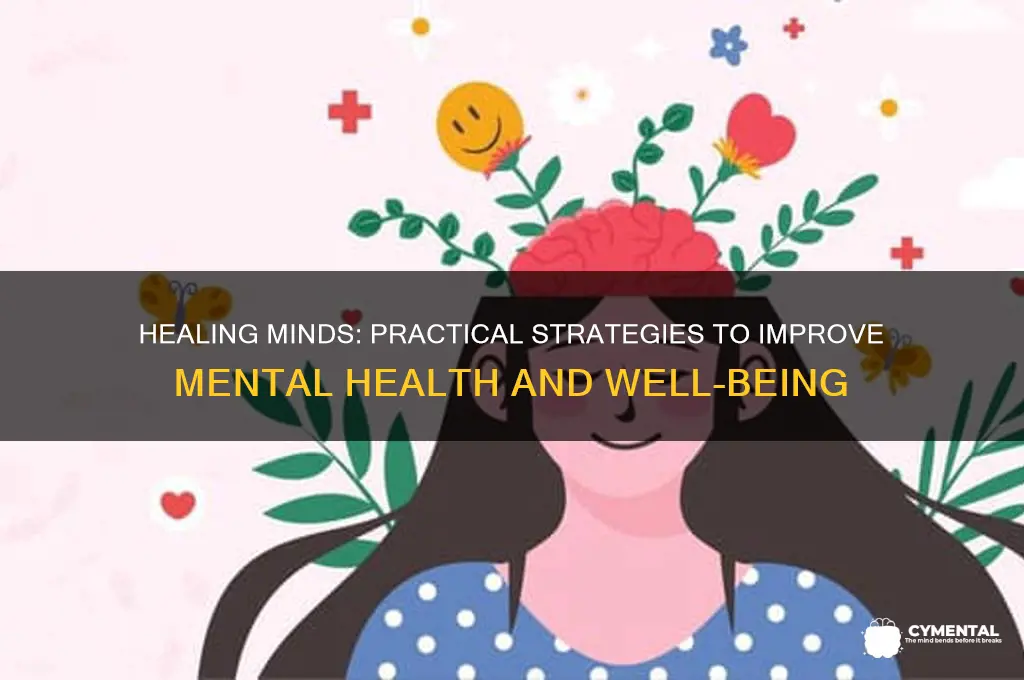
Helping someone with poor mental health requires empathy, patience, and understanding. Start by creating a safe, non-judgmental space where they feel comfortable sharing their feelings. Encourage open communication, but avoid pressuring them to talk if they’re not ready. Educate yourself about their specific struggles, whether it’s anxiety, depression, or another condition, to better support them. Suggest professional help, such as therapy or counseling, and offer to assist in finding resources. Small, consistent acts of kindness, like checking in regularly or spending quality time together, can make a significant difference. Remember, your role is to support, not fix, and sometimes simply being present is the most powerful way to help.
Explore related products


What You'll Learn
- Practice Mindfulness: Focus on the present moment to reduce stress and anxiety effectively
- Seek Professional Help: Consult therapists or counselors for expert guidance and support
- Maintain Physical Health: Exercise, eat well, and sleep to boost mental well-being
- Build a Support Network: Connect with friends, family, or groups for emotional support
- Limit Negative Influences: Reduce exposure to toxic people, media, or environments

Practice Mindfulness: Focus on the present moment to reduce stress and anxiety effectively
The human mind is a restless wanderer, often darting between regrets of the past and anxieties of the future. This mental time travel, while natural, can exacerbate stress and anxiety, leaving us feeling overwhelmed and disconnected. Mindfulness, the practice of anchoring oneself in the present moment, offers a powerful antidote to this restlessness. By cultivating awareness of the here and now, we can interrupt the cycle of worry and reclaim a sense of calm.
One effective way to practice mindfulness is through focused breathing exercises. Start by finding a quiet space and sitting comfortably. Close your eyes and take a deep breath in through your nose, counting to four. Hold your breath for four seconds, then exhale slowly through your mouth for another four seconds. Repeat this pattern for at least five minutes, gently bringing your attention back to your breath whenever your mind wanders. Research suggests that just 10 minutes of daily mindful breathing can significantly reduce cortisol levels, the hormone associated with stress. For beginners, guided meditation apps like Headspace or Calm can provide structure and support.
Another practical mindfulness technique is the "5-4-3-2-1" grounding exercise, ideal for moments of acute anxiety. This involves engaging your five senses to reconnect with the present. Name five things you can see, four things you can touch, three things you can hear, two things you can smell, and one thing you can taste. This sensory inventory shifts your focus away from distressing thoughts and into the tangible reality of the moment. It’s a tool accessible to all ages, from teenagers to seniors, and can be practiced anywhere—whether in a crowded office or a quiet park.
While mindfulness is not a cure-all, its consistent practice can rewire the brain to better manage stress. Studies have shown that regular mindfulness meditation increases activity in the prefrontal cortex, the area responsible for decision-making and emotional regulation, while decreasing activity in the amygdala, the brain’s fear center. However, it’s important to approach mindfulness with patience and self-compassion. Some individuals may find it challenging at first, and that’s okay. The goal isn’t to empty the mind but to observe thoughts without judgment, allowing them to pass like clouds in the sky.
Incorporating mindfulness into daily routines can amplify its benefits. For instance, try mindful eating by savoring each bite of your meal, noticing the flavors, textures, and aromas. Or practice mindful walking by paying attention to the sensation of your feet touching the ground with each step. These small, intentional acts can transform mundane activities into opportunities for presence and peace. By making mindfulness a habit, you’ll gradually build resilience against the pressures of life, fostering a deeper sense of well-being.
Government Support for Mental Health: Effective Solutions or Missed Opportunities?
You may want to see also
Explore related products


Seek Professional Help: Consult therapists or counselors for expert guidance and support
Professional help is often the most effective way to address persistent mental health challenges. Therapists and counselors are trained to diagnose, treat, and manage conditions like depression, anxiety, and PTSD using evidence-based methods. Unlike self-help strategies, which can be hit-or-miss, therapy provides a structured, personalized approach tailored to your unique needs. For instance, cognitive-behavioral therapy (CBT) has been shown to reduce symptoms of anxiety by 50–75% in 12–20 sessions, making it a proven tool for long-term improvement.
Seeking professional help doesn’t mean you’ve failed or can’t handle things on your own. It’s a proactive step toward healing, much like seeing a doctor for a physical injury. Therapists offer a neutral, nonjudgmental space to explore your thoughts and feelings, which can be particularly valuable if you’re struggling with self-criticism or isolation. For example, a 2020 study found that individuals who engaged in regular therapy reported higher levels of self-compassion and emotional resilience compared to those who relied solely on self-help methods.
To get started, research therapists who specialize in your specific concerns, whether it’s trauma, relationship issues, or chronic stress. Many therapists offer free consultations, allowing you to assess their approach and ensure it aligns with your needs. If cost is a barrier, consider sliding-scale clinics, telehealth platforms, or community mental health centers, which often provide affordable or free services. Remember, consistency is key—aim for weekly sessions initially to build momentum and establish trust with your therapist.
One common misconception is that therapy requires years of commitment. While some individuals benefit from long-term support, many experience significant improvement within 3–6 months. Short-term therapies like solution-focused brief therapy (SFBT) can yield results in as few as 6–12 sessions by focusing on practical solutions rather than deep-rooted issues. The takeaway? Professional help is adaptable, accessible, and often faster than you might think.
Finally, don’t underestimate the power of a good therapist-client fit. If you don’t feel comfortable or understood after a few sessions, it’s okay to switch providers. Therapy is a collaborative process, and finding the right person can make all the difference. By investing in professional guidance, you’re not just addressing symptoms—you’re building skills and insights that can transform your mental health for the better.
Seeking Support: Adult Mental Health Assistance Rates Revealed
You may want to see also
Explore related products




Maintain Physical Health: Exercise, eat well, and sleep to boost mental well-being
Physical health and mental well-being are deeply interconnected, with each influencing the other in profound ways. For instance, regular exercise has been shown to reduce symptoms of anxiety and depression by increasing the production of endorphins, often referred to as "feel-good" hormones. Aim for at least 150 minutes of moderate aerobic activity or 75 minutes of vigorous activity per week, as recommended by the World Health Organization. This could be broken down into 30 minutes of brisk walking, five days a week, or more intense sessions like cycling or swimming. Even small changes, like taking the stairs instead of the elevator, can contribute to this goal.
Nutrition plays a pivotal role in mental health, as the brain requires a steady supply of nutrients to function optimally. Incorporate a balanced diet rich in fruits, vegetables, whole grains, lean proteins, and healthy fats. Omega-3 fatty acids, found in fish like salmon and flaxseeds, are particularly beneficial for brain health. Conversely, limit processed foods, sugary snacks, and excessive caffeine, as they can exacerbate mood swings and anxiety. For example, a study published in the *American Journal of Public Health* found that individuals who consumed more fruits and vegetables reported higher levels of happiness and life satisfaction. Practical tips include meal prepping to ensure consistent healthy eating and keeping a food journal to track how diet affects mood.
Sleep is often underestimated in its impact on mental health, yet it is a cornerstone of emotional resilience. Adults should aim for 7-9 hours of quality sleep per night, as insufficient rest can lead to irritability, impaired concentration, and heightened stress. Establish a bedtime routine by going to bed and waking up at the same time daily, even on weekends. Create a sleep-conducive environment by keeping the bedroom dark, quiet, and cool. Avoid screens at least an hour before bed, as the blue light emitted can disrupt melatonin production. Techniques like mindfulness meditation or reading a book can also signal to your body that it’s time to wind down.
Comparing these three pillars—exercise, nutrition, and sleep—reveals their synergistic effects. For example, regular physical activity improves sleep quality, while a well-balanced diet provides the energy needed to stay active. Conversely, neglecting one area can create a domino effect, undermining progress in others. Consider a 35-year-old professional who starts jogging three times a week, eats more leafy greens, and prioritizes sleep. Over time, they may notice reduced stress levels, improved focus, and a more stable mood. This holistic approach underscores the importance of treating physical health as a foundation for mental well-being.
In conclusion, maintaining physical health through exercise, proper nutrition, and adequate sleep is a practical and effective way to support mental well-being. These habits are not just preventive measures but active tools for managing and improving mental health. By integrating these practices into daily life, individuals can build resilience against mental health challenges and foster a sense of overall vitality. Start small, stay consistent, and remember that every positive step counts.
Supporting Mental Health: Compassionate Ways to Assist Disturbed Individuals
You may want to see also
Explore related products






Build a Support Network: Connect with friends, family, or groups for emotional support
Human beings are inherently social creatures, and our connections with others can significantly impact our mental well-being. Building a support network is a powerful tool in combating poor mental health, offering a safety net of understanding, empathy, and shared experiences. This network can be a lifeline, providing emotional sustenance during challenging times.
The Power of Connection:
Imagine a web, each strand representing a relationship, intertwining to create a robust support system. This is the essence of a support network. It's not merely about having people around but fostering meaningful connections. Research suggests that social support can reduce the risk of mental health issues and promote resilience. A study published in the *Journal of Consulting and Clinical Psychology* found that individuals with strong social support systems experienced fewer depressive symptoms and improved overall mental health.
Taking Action: Building Your Network
- Identify Your Tribe: Start by recognizing the people in your life who uplift and understand you. These could be friends, family members, or even colleagues with whom you share a genuine connection. Consider those who make you feel heard, valued, and accepted.
- Reach Out: Initiate contact and express your desire to strengthen your bond. Suggest regular catch-ups, whether it's a weekly coffee date, a monthly game night, or even a daily check-in call. Consistency is key to building a reliable support system.
- Join Support Groups: Consider seeking out support groups, either locally or online, where you can connect with individuals facing similar challenges. These groups provide a unique understanding and camaraderie, allowing you to share experiences and strategies for coping. For instance, local community centers often host groups for various age categories, from teenagers to seniors, ensuring a sense of belonging and support.
Nurturing Your Network:
Building a support network is an ongoing process that requires maintenance. Here's how to ensure its longevity:
- Be Present: When spending time with your support network, be fully engaged. Active listening and genuine interest strengthen bonds.
- Offer Support: Relationships are a two-way street. Be there for others as you would want them to be there for you. This reciprocity fosters deeper connections.
- Diversify: Aim for a diverse network, including people from different backgrounds and age groups. This variety can offer unique perspectives and a broader range of support.
In the journey towards better mental health, a support network is a valuable asset. It provides a sense of belonging, understanding, and encouragement, reminding us that we are not alone in our struggles. By investing time and effort into building and nurturing these connections, individuals can create a powerful resource to draw upon during difficult times. This network becomes a source of strength, enabling personal growth and resilience.
Supporting Student Well-being: Universities' Role in Mental Health Initiatives
You may want to see also
Explore related products


Limit Negative Influences: Reduce exposure to toxic people, media, or environments
Toxic relationships can erode self-esteem, amplify stress, and perpetuate cycles of negativity. A 2020 study published in the *Journal of Personality and Social Psychology* found that individuals who minimized contact with chronically critical or manipulative individuals reported significant improvements in mood and anxiety levels within three months. Recognizing these relationships requires honesty: Does this person consistently drain your energy, dismiss your feelings, or undermine your goals? If so, limiting interaction—whether through setting firm boundaries or reducing communication frequency—is not selfish but necessary for mental preservation.
Media consumption, particularly on social platforms, often masquerades as harmless entertainment but can subtly distort self-perception and heighten anxiety. A 2018 study in the *American Journal of Preventive Medicine* linked more than two hours of daily social media use to increased symptoms of depression and loneliness. To counteract this, implement a "digital detox" by designating tech-free hours (e.g., 8 PM–8 AM) or using apps like Screen Time or Freedom to block distracting sites. Replace mindless scrolling with activities that foster mindfulness, such as reading, journaling, or engaging in a hobby that requires focus and creativity.
Environments play a silent yet profound role in shaping mental health. Cluttered spaces, for instance, have been shown to elevate cortisol levels, according to a study in the *Personality and Social Psychology Bulletin*. Dedicate 10–15 minutes daily to decluttering one area of your living or workspace. Incorporate elements that promote calm, such as natural light, plants, or soothing colors like soft blues and greens. For those in noisy or chaotic surroundings, noise-canceling headphones or white-noise machines can create auditory boundaries, reducing sensory overload.
Limiting negative influences is not about isolation but intentional curation. Start by auditing your social circle, media habits, and physical surroundings. Ask: *What drains me? What nourishes me?* Gradually replace toxic elements with positive alternatives—a supportive friend, uplifting content, or a serene workspace. Consistency is key; small, deliberate changes compound over time, fostering resilience and clarity. Remember, protecting your mental health is an act of self-respect, not withdrawal.
Can Semen Improve Women's Mental Health? Exploring the Science and Myths
You may want to see also
Frequently asked questions
Engaging in regular physical activity, practicing mindfulness or meditation, maintaining a balanced diet, getting adequate sleep, and connecting with supportive friends or family can significantly improve mental health daily.
Listen without judgment, encourage them to seek professional help, offer to accompany them to appointments, and provide consistent emotional support. Avoid dismissing their feelings and respect their boundaries.
Seek professional help if you experience persistent feelings of sadness, anxiety, or hopelessness, if your mental health interferes with daily functioning, or if you have thoughts of self-harm or suicide. Early intervention is key.