Ava Ramirez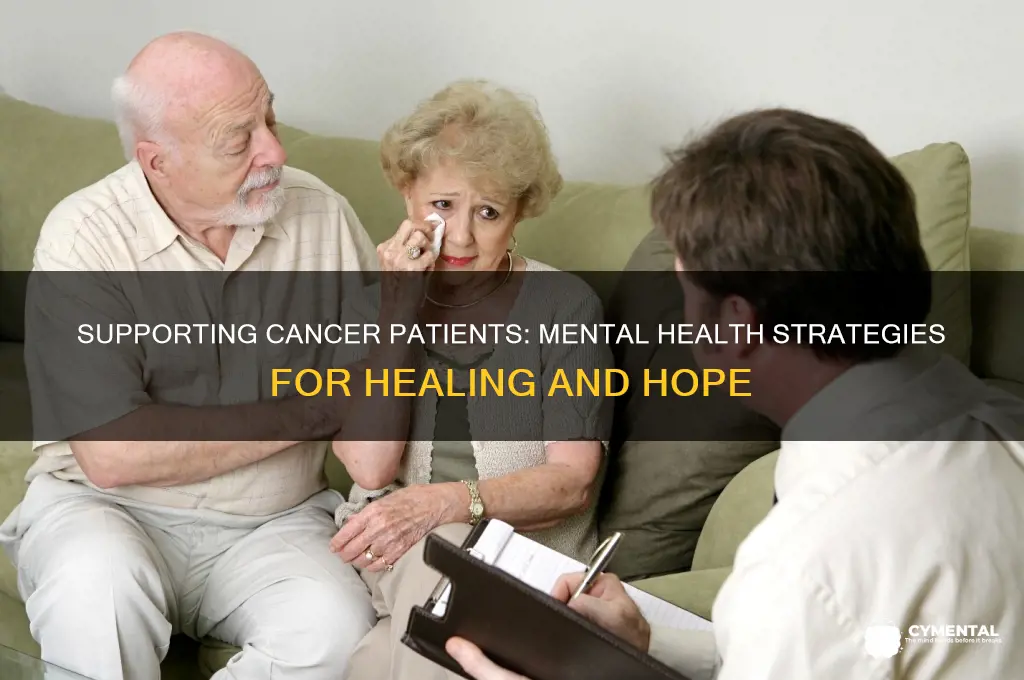
Supporting cancer patients mentally is crucial, as the emotional and psychological toll of the disease can be as challenging as the physical symptoms. Cancer patients often face fear, anxiety, depression, and uncertainty, which can significantly impact their quality of life. To help them mentally, it is essential to create a supportive environment by actively listening without judgment, offering empathy, and validating their feelings. Encouraging open communication about their emotions and concerns can alleviate feelings of isolation. Additionally, connecting them with professional mental health resources, such as therapists or support groups, can provide specialized guidance. Simple acts of kindness, like spending quality time together or assisting with daily tasks, can also make a meaningful difference. By fostering a sense of hope, understanding, and companionship, caregivers and loved ones can play a vital role in helping cancer patients navigate their mental health challenges with resilience and strength.
| Characteristics | Values |
|---|---|
| Emotional Support | Listen actively, validate feelings, and provide a safe space for expression. Avoid minimizing their emotions or offering unsolicited advice. |
| Practical Assistance | Help with daily tasks like transportation to appointments, meal preparation, or household chores. Offer concrete support to reduce stress. |
| Encourage Professional Help | Gently encourage seeking counseling, support groups, or mental health professionals specializing in cancer care. |
| Maintain Normalcy | Engage in activities they enjoy, maintain social connections, and celebrate milestones to foster a sense of normalcy. |
| Provide Accurate Information | Share reliable resources about their diagnosis, treatment options, and coping strategies. Avoid overwhelming them with excessive details. |
| Promote Self-Care | Encourage activities like gentle exercise, meditation, or hobbies to manage stress and improve well-being. |
| Respect Autonomy | Allow them to make decisions about their care and involvement in activities. Avoid being overbearing or controlling. |
| Offer Hope and Positivity | Share inspiring stories, focus on small victories, and maintain a positive outlook without dismissing their fears. |
| Educate on Coping Strategies | Teach techniques like mindfulness, deep breathing, or journaling to manage anxiety and emotional distress. |
| Be Patient and Understanding | Recognize that mental health struggles may fluctuate. Avoid pressuring them to "stay strong" or "be positive." |
| Foster Open Communication | Encourage honest conversations about fears, concerns, and needs. Be present and non-judgmental. |
| Connect with Support Networks | Help them connect with peers, support groups, or online communities for shared experiences and understanding. |
| Monitor for Signs of Distress | Be aware of symptoms of depression, anxiety, or PTSD, and encourage professional intervention if needed. |
| Celebrate Progress | Acknowledge and celebrate small achievements in their treatment or emotional journey. |
| Adapt to Changing Needs | Be flexible and responsive to their evolving emotional and practical needs throughout their cancer journey. |
Explore related products

$13.9 $14.95


What You'll Learn
- Active Listening: Show empathy, listen without judgment, and validate their feelings to build trust and connection
- Encourage Expression: Promote journaling, art, or talking to help patients process emotions and reduce stress
- Mindfulness Practices: Teach meditation, deep breathing, or yoga to manage anxiety and improve mental clarity
- Social Support: Encourage group therapy, support groups, or family involvement to combat isolation and loneliness
- Set Realistic Goals: Help patients focus on achievable tasks to maintain purpose and reduce overwhelm

Active Listening: Show empathy, listen without judgment, and validate their feelings to build trust and connection
Cancer patients often grapple with a whirlwind of emotions—fear, anger, sadness, and uncertainty. Amidst this storm, one of the most powerful tools you can offer is your presence through active listening. It’s not about fixing their problems or offering platitudes; it’s about creating a safe space where they feel heard and understood. Active listening involves showing genuine empathy, withholding judgment, and validating their feelings, no matter how complex or raw they may be. This approach fosters trust and connection, which are vital for their mental well-being during this challenging journey.
To practice active listening, start by giving your undivided attention. Put away distractions like phones or laptops, and maintain eye contact if culturally appropriate. Use nonverbal cues such as nodding, leaning in, or a gentle touch (if welcomed) to signal engagement. When they speak, avoid interrupting or rushing to offer advice. Instead, reflect back what you hear to show you’re truly listening. For example, if they say, “I’m so scared of the treatment side effects,” respond with, “It sounds like the uncertainty of the treatment is weighing heavily on you.” This simple act of mirroring their emotions validates their experience and encourages them to open up further.
Validation is a cornerstone of active listening, but it requires careful execution. Avoid phrases like “It could be worse” or “At least you’re strong,” which can minimize their feelings. Instead, acknowledge their emotions without judgment. For instance, say, “It makes sense that you’re feeling overwhelmed right now,” or “Anyone in your situation would feel the same way.” This approach reassures them that their feelings are normal and acceptable, reducing the burden of self-doubt or guilt they may carry. Remember, validation isn’t about agreeing with their perspective but about honoring their emotional truth.
Building trust through active listening takes time and consistency. Be reliable in your presence and follow through on commitments, even if it’s just checking in regularly. Share your own vulnerabilities sparingly and only if it serves to deepen the connection, not shift the focus away from them. For example, if they express frustration about feeling isolated, you might say, “I’ve felt alone in tough times too, and it’s hard to reach out.” This fosters a sense of shared humanity without overshadowing their experience. Over time, this consistent, empathetic listening can become a lifeline, helping them feel less alone in their struggle.
Finally, active listening isn’t a one-size-fits-all skill; it requires adaptability. Pay attention to their communication style and adjust your approach accordingly. Some patients may prefer direct, concise conversations, while others may need more time to process their thoughts. Be patient and let them set the pace. If they struggle to articulate their feelings, gently encourage them with open-ended questions like, “What’s been on your mind lately?” or “How are you coping with everything?” By tailoring your listening style to their needs, you demonstrate respect for their individuality, strengthening the bond of trust and connection that is so crucial for their mental resilience.
Melodic Healing: How Musical Instruments Boost Mental Well-Being
You may want to see also
Explore related products





Encourage Expression: Promote journaling, art, or talking to help patients process emotions and reduce stress
Cancer patients often grapple with a whirlwind of emotions—fear, anger, sadness, and uncertainty. These feelings, if left unprocessed, can compound stress and hinder mental well-being. Encouraging expression through journaling, art, or talking provides a safe outlet for patients to explore and release these emotions. Unlike verbal communication, which can feel pressured or judged, journaling allows patients to write freely, without fear of interruption or criticism. Similarly, art—whether painting, drawing, or sculpting—offers a non-verbal means to externalize feelings that words may fail to capture. Talking, whether with a trusted friend, therapist, or support group, fosters connection and validation, reminding patients they are not alone.
Consider journaling as a daily practice, even if it’s just 10–15 minutes. Prompt patients with open-ended questions like, “What’s one thing you’re grateful for today?” or “How did your body feel during treatment?” For those who find writing daunting, bullet points or doodles work just as well. Art therapy, on the other hand, requires no prior skill. Provide simple materials—colored pencils, clay, or even a blank canvas—and encourage patients to create without judgment. Studies show that engaging in art can reduce cortisol levels by up to 75%, offering tangible stress relief. If verbal expression is preferred, create a safe space for conversation. Start with light topics and gradually move to deeper emotions, ensuring the patient feels heard and supported.
While these methods are powerful, they’re not one-size-fits-all. Some patients may resist journaling, finding it too introspective, while others might feel overwhelmed by art’s open-ended nature. It’s crucial to respect individual preferences and offer alternatives. For instance, guided journaling apps or structured art prompts can provide direction for those who feel lost. Similarly, group therapy sessions can ease the pressure of one-on-one conversations, allowing patients to share at their own pace. The goal is not to force expression but to create opportunities for it, tailoring the approach to the patient’s comfort level.
The benefits of expressive practices extend beyond emotional release. Journaling has been shown to improve mood and sleep quality, particularly when done in the evening. Art therapy can enhance cognitive function and provide a sense of accomplishment, even in small projects. Talking, especially in a supportive environment, fosters resilience and hope. These activities also serve as a distraction from the overwhelming focus on cancer, allowing patients to reconnect with parts of themselves beyond their diagnosis. By integrating these practices into daily or weekly routines, patients can build emotional resilience and reclaim a sense of agency in their journey.
Incorporating expression into a cancer patient’s life doesn’t require grand gestures. Start small—a notebook, a sketchpad, or a scheduled check-in. Encourage consistency but avoid rigidity; the goal is to provide a tool, not add another task. Over time, these practices can become anchors, helping patients navigate the emotional turbulence of cancer with greater clarity and calm. Whether through words, colors, or conversations, expression is a powerful reminder that even in the darkest moments, there is space to feel, heal, and hope.
Supporting Loved Ones: Practical Ways to Aid Their Mental Health Journey
You may want to see also
Explore related products



Mindfulness Practices: Teach meditation, deep breathing, or yoga to manage anxiety and improve mental clarity
Cancer patients often face overwhelming anxiety and mental fog, making it difficult to focus on treatment or daily life. Mindfulness practices like meditation, deep breathing, and yoga offer tangible tools to regain control. These techniques don’t require special equipment or extensive training, yet they can significantly reduce stress and enhance mental clarity. For instance, a 10-minute guided meditation session twice daily has been shown to lower cortisol levels, the body’s primary stress hormone, in cancer patients. Similarly, deep breathing exercises, such as diaphragmatic breathing for 5–10 minutes, can activate the parasympathetic nervous system, promoting relaxation. Yoga, even in gentle forms like chair yoga, combines physical movement with mindfulness, making it accessible for patients with varying mobility levels.
Teaching these practices requires a structured yet adaptable approach. Start with simple, guided meditations focused on breath awareness or body scans. For deep breathing, instruct patients to inhale deeply through the nose for a count of four, hold for four, and exhale slowly through the mouth for six. This 4-4-6 pattern helps regulate breathing and calm the mind. Yoga sessions should begin with basic poses like seated forward folds or gentle twists, ensuring modifications for comfort. Always emphasize that progress, not perfection, is the goal. For example, a patient might start with just 5 minutes of practice and gradually increase as they feel more confident.
One of the strengths of mindfulness practices is their adaptability to individual needs. Patients undergoing chemotherapy or radiation may find short, focused sessions more manageable than longer routines. Mobile apps like Calm or Headspace offer guided meditations tailored to cancer patients, providing convenience and consistency. Group yoga classes, either in-person or virtual, can foster a sense of community, reducing feelings of isolation. For those with limited mobility, chair yoga or bed-based exercises ensure inclusivity. Practical tips, such as practicing at the same time daily or pairing mindfulness with a routine activity like brushing teeth, can help integrate these practices into daily life.
While mindfulness practices are generally safe, caution is necessary. Patients with certain conditions, such as severe respiratory issues, should consult a healthcare provider before starting deep breathing exercises. Yoga instructors should be trained in working with cancer patients to avoid poses that could cause discomfort or injury. It’s also important to manage expectations; mindfulness is not a cure-all but a complementary tool. Encouraging patients to track their progress—whether through journaling or mood ratings—can help them recognize the benefits over time.
In conclusion, mindfulness practices provide cancer patients with practical, empowering ways to manage anxiety and improve mental clarity. By teaching meditation, deep breathing, and yoga in a structured yet flexible manner, caregivers can offer patients tools that enhance their quality of life. These practices are not just about coping with cancer; they’re about reclaiming moments of peace and presence in the midst of uncertainty. With consistency and patience, mindfulness can become a cornerstone of mental resilience during treatment and beyond.
Accessing Mental Health Support Through AHCCCS: A Comprehensive Guide
You may want to see also
Explore related products


Social Support: Encourage group therapy, support groups, or family involvement to combat isolation and loneliness
Cancer patients often face a silent battle against isolation, a side effect as debilitating as physical symptoms. The disruption to daily life, coupled with the emotional weight of diagnosis and treatment, can sever social connections, leaving patients feeling alone in their struggle. This is where the power of social support becomes a vital weapon in their arsenal.
Group therapy, support groups, and family involvement aren't just feel-good suggestions; they are evidence-based interventions that combat loneliness and foster a sense of belonging.
Imagine a room filled with individuals who understand the language of scans, side effects, and fear. Group therapy offers a safe space for patients to share experiences, express emotions without judgment, and learn coping strategies from peers who truly "get it." Studies show that participation in support groups can significantly reduce anxiety, depression, and feelings of isolation in cancer patients. These groups provide a sense of community, reminding individuals they are not alone in their fight.
Think of it as a collective shield against the emotional onslaught of cancer.
However, not everyone thrives in large groups. For some, the intimacy of family involvement is key. Encouraging open communication within the family unit allows patients to feel supported by their loved ones. This might involve educating family members about the patient's experience, fostering empathy, and creating opportunities for meaningful connection. Something as simple as a shared meal, a walk, or a movie night can become a powerful act of solidarity.
It's important to remember that social support isn't a one-size-fits-all solution. Some patients may prefer online support groups, while others might find solace in faith-based communities. The key is to encourage exploration and find the type of social connection that resonates most with the individual.
Beyond Reach: Can Some Minds Resist Mental Health Treatment?
You may want to see also
Explore related products



Set Realistic Goals: Help patients focus on achievable tasks to maintain purpose and reduce overwhelm
Cancer treatment often feels like an endless marathon, leaving patients mentally and physically drained. Amidst the uncertainty, setting realistic goals emerges as a powerful tool to reclaim a sense of control and purpose.
Consider a patient undergoing chemotherapy, facing weeks of fatigue and nausea. Instead of fixating on vague aspirations like "getting better," encourage them to break down their days into manageable chunks. A realistic goal might be: "Today, I’ll take a 10-minute walk in the morning and read one chapter of a book in the afternoon." These small, achievable tasks provide structure and a sense of accomplishment, counteracting the overwhelming nature of long-term treatment.
However, setting realistic goals isn’t just about the patient’s initiative—it requires thoughtful collaboration. Caregivers and healthcare providers should engage in open conversations to understand the patient’s energy levels, priorities, and emotional state. For instance, a 65-year-old patient might find gardening therapeutic, while a 30-year-old may prefer short journaling sessions. Tailoring goals to individual preferences ensures they feel meaningful and attainable.
A cautionary note: avoid framing goals as benchmarks for recovery. Statements like "If you walk every day, you’ll heal faster" can create undue pressure. Instead, emphasize the intrinsic value of the activity itself—how it fosters joy, connection, or mindfulness. For example, a goal to "call a friend once a week" isn’t about speeding up recovery but about maintaining social bonds and emotional well-being.
In conclusion, realistic goal-setting is a delicate balance of ambition and compassion. By focusing on small, personalized tasks, patients can navigate the mental challenges of cancer with greater resilience. It’s not about conquering the disease in one leap but about finding purpose and progress in each step.
Self-Compassion: A Powerful Tool for Improving Mental Health and Well-Being
You may want to see also
Frequently asked questions
Listen actively and non-judgmentally, validate their feelings, and offer practical help like running errands or preparing meals. Avoid giving unsolicited advice and respect their need for space when they want it.
Encourage mindfulness or relaxation techniques, such as deep breathing or meditation. Suggest professional support like counseling or support groups, and help them focus on manageable tasks rather than overwhelming thoughts.
Stay in regular contact through calls, messages, or visits, but be mindful of their energy levels. Invite them to engage in light activities they enjoy, and connect them with others who share similar experiences.
Avoid phrases like “Stay positive,” “I know how you feel,” or “Everything happens for a reason,” as these can minimize their emotions. Instead, acknowledge their struggles and offer empathy and support.