Caleb Wright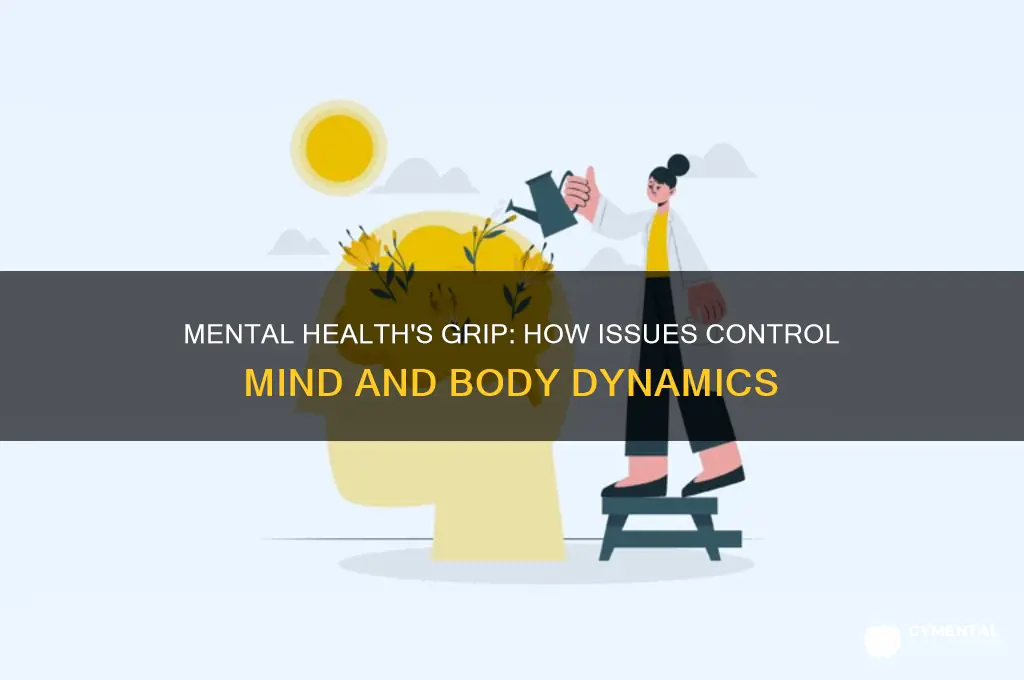
The question of whether mental issues control the mind and body is a profound and multifaceted one, delving into the intricate relationship between psychological well-being and physical health. Mental health conditions, such as anxiety, depression, or PTSD, can significantly influence cognitive processes, emotional responses, and even physiological functions, often creating a feedback loop where the mind and body mutually impact each other. For instance, chronic stress can manifest as physical symptoms like headaches or fatigue, while persistent physical ailments can exacerbate mental distress. Understanding this interplay is crucial, as it highlights the need for holistic approaches to treatment that address both mental and physical aspects of health, challenging the traditional separation of mind and body in medical and therapeutic practices.
Explore related products


What You'll Learn

Impact of Anxiety on Physical Health
Anxiety doesn’t just live in the mind; it manifests in the body, often in ways that mimic or exacerbate physical illnesses. Chronic anxiety triggers the body’s stress response, flooding it with cortisol and adrenaline. Over time, this can lead to hypertension, a condition affecting 46% of adults globally, according to the World Health Organization. Elevated blood pressure isn’t just a number—it strains the heart, increasing the risk of heart attacks and strokes. For instance, a 2015 study in *BMJ* found that individuals with anxiety disorders are 20% more likely to develop cardiovascular disease. This isn’t merely correlation; it’s a direct physiological consequence of prolonged mental distress.
Consider the digestive system, often called the "second brain" due to its dense network of neurons. Anxiety can disrupt gut function, leading to irritable bowel syndrome (IBS), which affects up to 15% of the global population. Symptoms like cramping, bloating, and irregular bowel movements aren’t just inconvenient—they can severely impact quality of life. A 2014 study in *Gut* revealed that 60% of IBS patients report anxiety as a trigger. Managing anxiety through techniques like mindfulness or cognitive-behavioral therapy (CBT) can alleviate these symptoms, demonstrating the mind-gut connection’s bidirectional nature.
Sleep disturbances are another physical toll of anxiety, with 70% of adults reporting inadequate sleep due to stress, per the American Psychological Association. Poor sleep weakens the immune system, making the body more susceptible to infections and chronic conditions like diabetes. For example, a 2017 study in *Sleep Medicine Reviews* linked anxiety-induced insomnia to a 30% higher risk of developing type 2 diabetes. To mitigate this, establish a bedtime routine: limit screen time an hour before bed, keep the room cool (60–67°F), and practice deep breathing exercises to calm the nervous system.
Muscle tension is a silent but pervasive effect of anxiety, often leading to chronic pain. When anxious, the body’s muscles contract as part of the fight-or-flight response, and prolonged tension can cause migraines, back pain, or even temporomandibular joint (TMJ) disorders. A 2016 study in *Cephalalgia* found that 40% of migraine sufferers also experience anxiety. Incorporating progressive muscle relaxation—a technique involving tensing and releasing muscle groups—can reduce physical symptoms. Start with 10-minute sessions daily, focusing on areas like the neck, shoulders, and jaw.
Finally, anxiety’s impact on physical health extends to skin conditions, with stress hormones triggering inflammation and exacerbating issues like eczema, psoriasis, and acne. A 2019 study in *Clinical, Cosmetic and Investigational Dermatology* showed that 80% of dermatology patients reported stress as a flare-up trigger. Practical steps include using fragrance-free moisturizers, avoiding hot showers, and practicing stress-reduction techniques like yoga or meditation. By addressing anxiety, individuals can not only improve mental well-being but also restore physical health, proving the inextricable link between mind and body.
Empowering Support: Strategies for Assisting Homeless Individuals with Mental Health Challenges
You may want to see also
Explore related products


![The Dark Psychology Playbook [9-in-1]: 100+ Techniques of Influence and Manipulation Exposed. A Powerful Guide to Brainwashing, Lie Detection, Mental Warfare, Mind Control, NLP, Persuasion, & More](https://m.media-amazon.com/images/I/61jj45AtgbL._AC_UY218_.jpg)


Depression’s Role in Cognitive Function Decline
Depression, a pervasive mental health condition, significantly impacts cognitive function, often leading to a decline in memory, attention, and decision-making abilities. Research indicates that individuals with depression experience measurable changes in brain structure and function, particularly in areas like the prefrontal cortex and hippocampus, which are crucial for cognitive processes. For instance, studies using MRI scans have shown a reduction in hippocampal volume in depressed individuals, correlating with impaired memory and learning abilities. This biological link underscores how depression can exert control over both mind and body, disrupting the very mechanisms that govern thought and action.
Consider the daily implications of this cognitive decline. A 45-year-old professional struggling with depression might find it increasingly difficult to concentrate during meetings, recall important details, or make decisions under pressure. These challenges are not merely "feeling forgetful" but are rooted in neurochemical imbalances and structural changes in the brain. For example, chronic stress and elevated cortisol levels, common in depression, can damage neurons in the hippocampus, further exacerbating memory issues. Practical strategies, such as breaking tasks into smaller steps or using memory aids like digital calendars, can help mitigate these effects, but addressing the underlying depression remains critical.
From a comparative perspective, depression’s impact on cognitive function is distinct from age-related decline or other mental health conditions. While aging naturally slows cognitive processing, depression accelerates this decline, particularly in executive functions like planning and problem-solving. Unlike anxiety, which often heightens alertness (albeit with distress), depression tends to blunt cognitive sharpness, leaving individuals feeling mentally sluggish. This distinction highlights the need for tailored interventions, such as cognitive-behavioral therapy (CBT) or antidepressants like selective serotonin reuptake inhibitors (SSRIs), which have been shown to improve both mood and cognitive function in depressed patients.
Persuasively, recognizing depression’s role in cognitive decline is essential for early intervention. Left untreated, this decline can become a self-perpetuating cycle, where impaired cognitive function worsens depressive symptoms, which in turn further degrades mental acuity. For younger adults (ages 20–35), this can disrupt career advancement and personal relationships, while in older adults (ages 60+), it may accelerate the onset of dementia-like symptoms. Encouraging regular mental health screenings and promoting awareness of cognitive symptoms as red flags for depression can empower individuals to seek help before the decline becomes severe.
In conclusion, depression’s control over cognitive function is both profound and insidious, affecting everything from daily tasks to long-term brain health. By understanding the biological mechanisms and practical implications, individuals and healthcare providers can take proactive steps to combat this decline. Whether through medication, therapy, or lifestyle adjustments, addressing depression is not just about improving mood—it’s about reclaiming the mind’s full potential.
Supporting Teens: Practical Strategies for Mental Health and Well-Being
You may want to see also
Explore related products



Stress-Induced Bodily Reactions Explained
Stress triggers a cascade of physiological responses, often referred to as the "fight or flight" reaction, which is orchestrated by the hypothalamic-pituitary-adrenal (HPA) axis. When faced with a perceived threat, the brain releases cortisol and adrenaline, hormones that prepare the body for immediate action. For instance, your heart rate accelerates to pump more blood to muscles, and your lungs work harder to supply oxygen. While this response is life-saving in acute situations, chronic stress keeps these systems activated, leading to wear and tear on the body. A study published in *Psychosomatic Medicine* found that individuals under prolonged stress had a 40% higher risk of developing cardiovascular issues compared to their less-stressed counterparts.
Consider the digestive system, which is particularly vulnerable to stress-induced disruptions. Under stress, blood flow is redirected away from the gut to prioritize vital organs, slowing digestion and causing symptoms like nausea, bloating, or even irritable bowel syndrome (IBS). For example, a 2019 review in *Gut Microbes* highlighted that stress alters gut microbiota, exacerbating gastrointestinal disorders. Practical tips to mitigate this include mindful eating, incorporating probiotics, and practicing relaxation techniques like deep breathing during meals. Adults aged 25–50, who often juggle work and personal responsibilities, are especially prone to these issues, making stress management a critical component of gut health.
Another striking example is the impact of stress on the immune system. Chronic stress suppresses immune function by reducing the production of lymphocytes, the white blood cells that defend against pathogens. A study in *Health Psychology* revealed that stressed individuals are more susceptible to common colds and take longer to recover. To counteract this, experts recommend a daily regimen of moderate exercise (30 minutes of brisk walking) and adequate sleep (7–9 hours for adults). Additionally, incorporating stress-reduction practices like yoga or meditation can help restore immune balance. For those over 60, whose immune systems are naturally weaker, these interventions are even more crucial.
Finally, stress-induced bodily reactions extend to the skin, manifesting as acne, eczema, or psoriasis flare-ups. When stressed, the body releases inflammatory cytokines, which aggravate skin conditions. A 2020 study in *Clinical, Cosmetic and Investigational Dermatology* found that 80% of participants reported worsening skin issues during stressful periods. To manage this, dermatologists advise a skincare routine that includes gentle, fragrance-free products and stress-relief strategies like journaling or progressive muscle relaxation. For adolescents and young adults, who are more prone to acne, combining these approaches can yield significant improvements in both skin health and overall well-being.
By understanding these stress-induced bodily reactions, individuals can take targeted steps to mitigate their effects. Whether through dietary adjustments, physical activity, or mindfulness practices, addressing stress holistically can prevent long-term damage and promote resilience. The mind-body connection is undeniable, and managing stress is not just a mental health priority—it’s a physical necessity.
Rehab Centers for Mental Health: Are They Highly Recommended?
You may want to see also
Explore related products


Mind-Body Connection in Chronic Pain
Chronic pain, often perceived as a purely physical ailment, is increasingly understood as a complex interplay between the mind and body. Research shows that psychological factors like stress, anxiety, and depression can amplify pain perception, creating a feedback loop where emotional distress intensifies physical symptoms, and vice versa. For instance, individuals with chronic conditions such as fibromyalgia or lower back pain often report higher levels of psychological distress, which correlates with increased pain severity. This bidirectional relationship highlights the need to address both mental and physical health in treatment plans.
Consider the role of stress hormones like cortisol, which, when chronically elevated, can lower pain thresholds and exacerbate inflammation. A study published in *Psychosomatic Medicine* found that patients with high stress levels experienced a 30% increase in pain intensity compared to those with lower stress. Practical strategies to mitigate this include mindfulness-based stress reduction (MBSR) techniques, such as deep breathing exercises or progressive muscle relaxation. Incorporating 10–15 minutes of mindfulness daily can help regulate cortisol levels and reduce pain perception over time.
Another critical aspect of the mind-body connection in chronic pain is the brain’s neuroplasticity. Prolonged pain can lead to maladaptive changes in the brain’s pain processing centers, a phenomenon known as central sensitization. This can cause the nervous system to become hyper-responsive, amplifying pain signals even in the absence of ongoing tissue damage. Cognitive-behavioral therapy (CBT) has emerged as an effective tool to counteract this by retraining the brain’s response to pain. A meta-analysis in *JAMA Internal Medicine* revealed that CBT reduced pain severity by 20–30% in chronic pain patients, emphasizing its role in breaking the cycle of pain and emotional distress.
For those managing chronic pain, integrating physical activity is paramount, but it must be approached thoughtfully. Low-impact exercises like swimming, yoga, or tai chi not only improve physical function but also release endorphins, the body’s natural painkillers. Starting with 20–30 minutes of gentle exercise three times a week can yield noticeable improvements in pain management and mood. However, it’s crucial to avoid overexertion, as this can trigger a flare-up, reinforcing the pain cycle.
In conclusion, the mind-body connection in chronic pain underscores the importance of holistic treatment approaches. By addressing psychological factors, leveraging neuroplasticity, and adopting mindful physical practices, individuals can regain control over their pain and improve their quality of life. This integrated perspective shifts the narrative from merely managing symptoms to fostering resilience and healing.
Understanding Delirium: Mental Health Concern or Separate Medical Condition?
You may want to see also
Explore related products

$10.99 $18.99


How Trauma Affects Neurological Responses
Trauma reshapes the brain’s architecture, altering how it processes threats and regulates emotions. When exposed to a traumatic event, the amygdala—the brain’s alarm system—becomes hyperactive, triggering a fight-or-flight response even in non-threatening situations. Simultaneously, the prefrontal cortex, responsible for rational decision-making, often shows reduced activity. This imbalance explains why trauma survivors may react intensely to minor stressors, such as a loud noise triggering a panic attack. Studies using fMRI scans reveal these neurological changes persist long after the trauma, demonstrating how past experiences can hardwire the brain for heightened vigilance.
Consider the case of post-traumatic stress disorder (PTSD), where trauma’s impact on the brain becomes particularly evident. In individuals with PTSD, the hippocampus—a region critical for memory formation—often shrinks, impairing the ability to distinguish between past and present threats. For instance, a combat veteran might relive a battlefield experience when hearing fireworks, as the brain fails to contextualize the sound as harmless. This phenomenon, known as "fear generalization," highlights how trauma can distort neurological responses, trapping individuals in cycles of fear and hyperarousal.
To mitigate these effects, targeted interventions like Eye Movement Desensitization and Reprocessing (EMDR) and cognitive-behavioral therapy (CBT) have shown promise. EMDR, for example, uses bilateral stimulation (such as side-to-side eye movements) to help individuals process traumatic memories while reducing their emotional intensity. Research indicates that 77% of single-trauma victims and 77% of multiple-trauma victims no longer meet PTSD criteria after 12 sessions of EMDR. Similarly, CBT helps rewire maladaptive thought patterns by encouraging patients to challenge and reframe traumatic memories, gradually reducing the amygdala’s hyperactivity.
However, not all interventions are equally effective, and some may inadvertently exacerbate neurological responses. For instance, exposure therapy—which involves confronting traumatic memories—can backfire if not administered carefully, retraumatizing individuals and reinforcing fear pathways. Practitioners must assess a patient’s window of tolerance (the range of arousal in which they can process information effectively) before proceeding. For children under 12, play therapy is often more suitable, as their prefrontal cortex is still developing, making verbal processing of trauma less effective.
Ultimately, understanding trauma’s neurological footprint empowers both survivors and caregivers to approach healing with precision. Practical steps include maintaining a consistent routine to reduce unpredictability, practicing mindfulness to calm the amygdala, and seeking professional help early. By addressing the brain’s rewiring, it’s possible to reclaim control over mind and body, transforming trauma from a permanent imprint to a manageable part of one’s history.
Understanding Hoarding: A Complex Mental Health Challenge Explained
You may want to see also
Frequently asked questions
Mental health issues can significantly influence thoughts, emotions, and physical sensations, but they do not "control" the mind and body in the same way an external force would. Instead, they alter how the brain processes information, leading to changes in behavior, mood, and bodily functions.
Yes, mental health issues can manifest as physical symptoms, such as fatigue, headaches, digestive problems, or chronic pain. This is often due to the mind-body connection, where stress, anxiety, or depression can affect the nervous and endocrine systems.
Prolonged or severe mental health issues can lead to structural or functional changes in the brain, such as alterations in neural pathways or hormone levels. However, with treatment and lifestyle changes, many of these changes can be reversed or managed.
While mental health issues can make it feel like control is lost, they do not equate to a complete loss of agency. With proper support, therapy, and sometimes medication, individuals can regain a sense of control and improve their mental and physical well-being.