Caleb Wright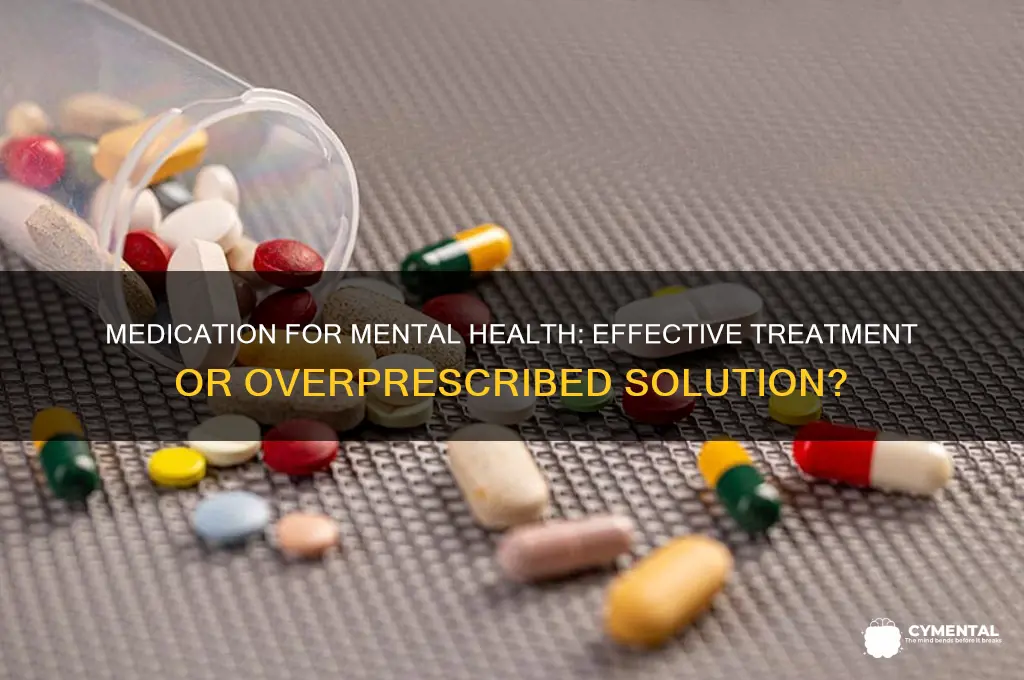
Medication can be a crucial component in the treatment of mental illness, offering relief from symptoms and improving overall quality of life for many individuals. While not a one-size-fits-all solution, medications such as antidepressants, antipsychotics, and mood stabilizers have been shown to effectively manage conditions like depression, anxiety, bipolar disorder, and schizophrenia. When combined with therapy and lifestyle changes, medication can provide a foundation for recovery, helping individuals regain stability and function more effectively in daily life. However, its effectiveness varies from person to person, and potential side effects must be carefully considered, making personalized treatment plans essential. Ultimately, medication can be a valuable tool in addressing mental illness, but it is often most beneficial when integrated into a comprehensive approach to care.
Explore related products


What You'll Learn

Effectiveness of antidepressants in treating depression
Antidepressants are among the most prescribed medications globally, yet their effectiveness in treating depression remains a subject of debate and scrutiny. Clinical trials consistently show that antidepressants outperform placebos, but the magnitude of this effect is often modest. For instance, a meta-analysis published in *The Lancet* found that antidepressants provided a statistically significant but small to moderate benefit over placebo, with a response rate of approximately 50-60% for medication compared to 30-40% for placebo. This suggests that while antidepressants can be helpful, they are not a universal solution, and individual responses vary widely.
The type of antidepressant and its mechanism of action play a critical role in determining effectiveness. Selective serotonin reuptake inhibitors (SSRIs), such as fluoxetine (Prozac) and sertraline (Zoloft), are commonly prescribed as first-line treatments due to their relatively mild side effects. However, for some patients, other classes like serotonin-norepinephrine reuptake inhibitors (SNRIs) or tricyclic antidepressants (TCAs) may be more effective, particularly in cases of severe or treatment-resistant depression. Dosage optimization is also key; starting doses are often low (e.g., 20 mg/day for fluoxetine) and may be titrated up over weeks to achieve therapeutic effects while minimizing side effects.
One of the most challenging aspects of antidepressant treatment is the delayed onset of action. Patients typically do not experience significant symptom relief until 4-6 weeks after starting medication, and full benefits may take up to 12 weeks. This lag can lead to frustration and non-adherence, particularly among younger adults (ages 18-30) who may expect quicker results. To address this, clinicians often pair antidepressants with psychotherapy, such as cognitive-behavioral therapy (CBT), which can provide immediate coping strategies while the medication takes effect.
Despite their benefits, antidepressants are not without limitations. Side effects, including nausea, weight gain, and sexual dysfunction, can reduce adherence, particularly in older adults (ages 65+) who may be more sensitive to these effects. Additionally, approximately 30% of patients with depression do not respond adequately to initial treatment, a condition known as treatment-resistant depression. For these individuals, alternative approaches such as transcranial magnetic stimulation (TMS) or ketamine therapy may be considered, though these options are often more costly and less accessible.
In conclusion, antidepressants are a valuable tool in the treatment of depression, but their effectiveness depends on careful patient selection, proper dosing, and realistic expectations. They are most effective when integrated into a comprehensive treatment plan that includes psychotherapy and lifestyle modifications. For patients and clinicians alike, understanding the nuances of antidepressant use—from mechanisms of action to potential side effects—is essential for maximizing their benefits while minimizing risks.
Harmonize Your Mind: Music's Power to Enhance Mental Well-being
You may want to see also
Explore related products


Role of antipsychotics in managing schizophrenia symptoms
Antipsychotic medications are a cornerstone in the treatment of schizophrenia, a complex mental disorder characterized by hallucinations, delusions, and disorganized thinking. These drugs primarily target dopamine receptors in the brain, particularly D2 receptors, to mitigate the positive symptoms of schizophrenia, such as auditory hallucinations and paranoid delusions. First-generation antipsychotics (e.g., haloperidol) and second-generation antipsychotics (e.g., olanzapine, risperidone) differ in their side effect profiles, with the latter generally causing fewer extrapyramidal symptoms but potentially leading to metabolic issues like weight gain and diabetes.
Dosage and Administration: The initial dosage of antipsychotics is often titrated based on patient response and tolerance. For instance, risperidone typically starts at 1–2 mg/day in adults, gradually increasing to 4–6 mg/day. Long-acting injectable formulations, such as aripiprazole lauroxil, are available for patients who struggle with daily adherence. These injections are administered every 4–6 weeks, ensuring consistent therapeutic levels. It’s crucial to monitor patients regularly for side effects, such as tardive dyskinesia, which may require dosage adjustments or additional medications like benzodiazepines for acute dystonic reactions.
Efficacy and Limitations: While antipsychotics effectively reduce positive symptoms in 60–70% of patients, their impact on negative symptoms (e.g., social withdrawal, anhedonia) and cognitive deficits remains limited. Clozapine stands out as the only antipsychotic proven to address treatment-resistant schizophrenia, though its use is restricted due to risks like agranulocytosis, requiring weekly blood monitoring. Combining antipsychotics with psychosocial interventions, such as cognitive-behavioral therapy, often yields better outcomes than medication alone, particularly in improving functional recovery.
Practical Considerations: Patients and caregivers should be educated about the importance of adherence, as discontinuation can lead to symptom relapse. Side effects like sedation or akathisia may necessitate switching to a different antipsychotic. For older adults, lower starting doses are recommended due to increased sensitivity to side effects. Pregnant or breastfeeding individuals require careful evaluation, as some antipsychotics (e.g., olanzapine) are associated with neonatal complications. Regular metabolic screening, including lipid and glucose monitoring, is essential for long-term users to prevent cardiovascular risks.
Takeaway: Antipsychotics are indispensable in managing schizophrenia, offering significant relief from debilitating symptoms. However, their use demands a personalized approach, balancing efficacy with side effect management. Patients should be actively involved in treatment decisions, and clinicians must integrate pharmacotherapy with holistic care strategies to optimize outcomes. While not a cure, antipsychotics provide a critical foundation for stabilizing symptoms and enhancing quality of life.
Seeking Support: A Guide to Accessing Mental Health Assistance
You may want to see also
Explore related products


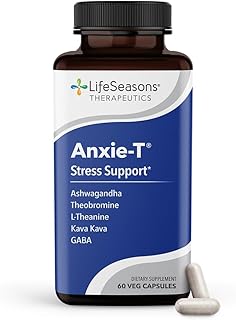
Benefits of mood stabilizers for bipolar disorder
Bipolar disorder, characterized by extreme mood swings from manic highs to depressive lows, often requires a multifaceted treatment approach. Among the most effective tools in managing this condition are mood stabilizers, a class of medications specifically designed to moderate these emotional extremes. These drugs work by balancing brain chemicals, reducing the frequency and severity of mood episodes, and helping individuals maintain a more stable emotional baseline. For many, they are a cornerstone of long-term management, offering a chance at a more predictable and functional life.
Consider the case of lithium, one of the oldest and most studied mood stabilizers. Typically prescribed at dosages ranging from 600 to 1,200 mg daily, lithium has been shown to reduce the risk of manic episodes by up to 40%. It’s particularly effective for individuals with bipolar I disorder, who experience more severe manic episodes. However, its use requires careful monitoring, as blood levels must be maintained within a narrow therapeutic range to avoid toxicity. Regular blood tests and kidney function checks are essential, especially for long-term users. Despite these requirements, lithium remains a gold standard due to its proven efficacy in preventing both manic and depressive episodes.
For those who cannot tolerate lithium or find it ineffective, alternative mood stabilizers like valproate (Depakote) and lamotrigine (Lamictal) offer viable options. Valproate, often prescribed at 750 to 2,000 mg daily, is particularly useful for rapid-cycling bipolar disorder, where mood shifts occur frequently. Lamotrigine, typically started at 25 mg and increased to 100–200 mg daily, is favored for its effectiveness in preventing depressive episodes, a common challenge in bipolar disorder. Each medication has its unique profile, and the choice often depends on the individual’s specific symptoms, medical history, and potential side effects.
While mood stabilizers are powerful tools, their benefits must be weighed against potential risks. Common side effects include weight gain, tremors, and cognitive dulling, which can impact quality of life. For instance, lithium may cause thyroid dysfunction or kidney issues over time, necessitating regular health monitoring. Pregnant individuals or those planning to conceive must exercise caution, as some mood stabilizers carry risks of birth defects. Despite these challenges, the long-term benefits of mood stabilizers often outweigh the drawbacks, particularly when combined with therapy and lifestyle adjustments.
Practical tips for maximizing the benefits of mood stabilizers include adhering strictly to prescribed dosages, maintaining open communication with healthcare providers, and tracking mood changes to identify patterns. Combining medication with psychotherapy, such as cognitive-behavioral therapy, can enhance outcomes by addressing behavioral and thought patterns. Additionally, lifestyle modifications—regular sleep, a balanced diet, and stress management—can complement the effects of medication. For individuals with bipolar disorder, mood stabilizers are not just pills; they are a vital component of a comprehensive strategy to reclaim stability and improve overall well-being.
Boost Mental Alertness to Prevent Injuries and Stay Safe
You may want to see also
Explore related products


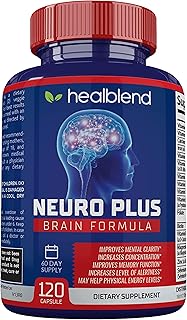


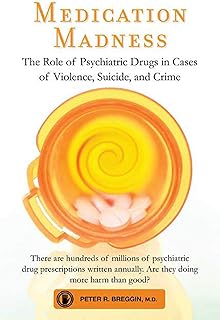
Anxiety treatment with anti-anxiety medications
Anti-anxiety medications, such as benzodiazepines and selective serotonin reuptake inhibitors (SSRIs), are commonly prescribed to manage symptoms of anxiety disorders. Benzodiazepines, including alprazolam (Xanax) and diazepam (Valium), act quickly to alleviate acute anxiety by enhancing the effect of the neurotransmitter GABA. However, they are typically recommended for short-term use due to the risk of dependence and side effects like drowsiness and impaired coordination. For instance, a starting dose of alprazolam is often 0.25 to 0.5 mg taken three times daily, adjusted based on individual response and tolerance.
In contrast, SSRIs like sertraline (Zoloft) and escitalopram (Lexapro) are favored for long-term anxiety management. These medications increase serotonin levels in the brain, which can improve mood and reduce anxiety over time. Unlike benzodiazepines, SSRIs are not habit-forming but may take 4 to 6 weeks to show full effects. A typical starting dose of sertraline is 25 mg daily, gradually increased to 50–200 mg depending on the patient’s needs. It’s crucial to follow a healthcare provider’s guidance when starting or adjusting these medications, as abrupt changes can lead to withdrawal symptoms or worsened anxiety.
While anti-anxiety medications can be effective, they are not a standalone solution. Combining medication with therapy, such as cognitive-behavioral therapy (CBT), often yields better outcomes. For example, CBT helps individuals develop coping strategies to manage anxiety triggers, while medication provides symptom relief. Practical tips for medication use include taking doses at the same time daily to maintain consistent levels, avoiding alcohol to prevent interactions, and tracking symptoms to monitor progress.
Age and health status play a significant role in medication selection. Benzodiazepines are generally avoided in older adults due to increased fall risk, while SSRIs may require dose adjustments in individuals with liver or kidney impairment. Pregnant or breastfeeding individuals should consult their healthcare provider, as some medications may pose risks to fetal or infant development. For adolescents, SSRIs like fluoxetine (Prozac) are often preferred, but close monitoring is essential due to potential side effects.
Ultimately, anti-anxiety medications are a valuable tool in treating anxiety disorders when used thoughtfully and in conjunction with other interventions. Patients should engage in open conversations with their healthcare providers to weigh the benefits and risks, ensuring a personalized approach to treatment. With proper management, these medications can significantly improve quality of life for those struggling with anxiety.
Journaling for Mental Health: A Guide to Self-Care and Healing
You may want to see also
Explore related products


$8.49 $11.99



Side effects vs. therapeutic benefits of mental health drugs
Medication for mental illness often presents a delicate balance between alleviating symptoms and managing side effects. For instance, selective serotonin reuptake inhibitors (SSRIs), commonly prescribed for depression and anxiety, can significantly improve mood and reduce anxiety within 4–6 weeks of consistent use. However, up to 60% of users report side effects such as nausea, insomnia, or sexual dysfunction, which may require dosage adjustments or additional medications to mitigate. This duality underscores the need for personalized treatment plans that weigh the immediate and long-term impacts of pharmacotherapy.
Consider the case of antipsychotics, which are vital for managing conditions like schizophrenia or bipolar disorder. Second-generation antipsychotics, such as olanzapine or quetiapine, offer therapeutic benefits like reduced hallucinations and mood stabilization. Yet, they frequently cause metabolic side effects, including weight gain and increased risk of diabetes, particularly in long-term users. For example, olanzapine users may experience an average weight gain of 9–12 kg within the first year. Clinicians often pair these medications with lifestyle interventions, such as dietary counseling and regular monitoring of metabolic markers, to address these risks while maintaining treatment efficacy.
From a practical standpoint, patients and providers must engage in ongoing dialogue to navigate this trade-off. For adolescents prescribed stimulants like methylphenidate for ADHD, therapeutic benefits include improved focus and reduced impulsivity, but side effects such as appetite suppression or sleep disturbances are common. Parents can help by ensuring consistent meal schedules and limiting evening screen time to counteract these effects. Similarly, older adults on antidepressants should monitor for increased fall risks due to dizziness or orthostatic hypotension, a side effect more prevalent in this age group.
Persuasively, the argument for medication hinges on its potential to restore functionality and quality of life. For individuals with severe major depressive disorder, monoamine oxidase inhibitors (MAOIs) remain a powerful option despite dietary restrictions and risks of hypertensive crises. Here, the therapeutic benefit of remission outweighs the inconvenience of avoiding tyramine-rich foods like aged cheeses or cured meats. Such examples highlight that while side effects are unavoidable, they can often be managed or tolerated when the alternative is debilitating mental illness.
Ultimately, the decision to use mental health medication requires a nuanced understanding of both its benefits and drawbacks. For instance, lithium remains the gold standard for bipolar disorder due to its mood-stabilizing properties but demands strict adherence to therapeutic blood levels (0.8–1.2 mEq/L) to avoid toxicity. Patients must weigh the necessity of regular blood tests and potential side effects like tremors against the risk of manic or depressive episodes. By approaching this balance with informed caution and proactive management, individuals can maximize the therapeutic potential of these drugs while minimizing their downsides.
Unaddressed Mental Health: Societal Consequences of Avoiding Psychological Support
You may want to see also
Frequently asked questions
No, medication is not always necessary. Treatment plans for mental illness vary depending on the individual, the severity of symptoms, and the type of condition. Therapy, lifestyle changes, and support systems can often be effective on their own, though medication may be recommended in some cases.
Medication typically manages symptoms rather than curing mental illness. It can help stabilize mood, reduce anxiety, or alleviate other symptoms, making it easier for individuals to engage in therapy and other treatments. Long-term management often involves a combination of medication and other strategies.
Yes, many psychiatric medications can have side effects, which vary depending on the type of medication and the individual. Common side effects include drowsiness, weight changes, nausea, or sexual dysfunction. It’s important to discuss potential side effects with a healthcare provider and monitor how the medication affects you.
The time it takes for medication to work varies. Some people may notice improvements within a few weeks, while others might take several months. It often requires patience and adjustments to dosage or type of medication to find the most effective treatment. Regular follow-ups with a healthcare provider are essential during this process.